
Beautiful Plants For Your Interior
Beautiful Plants For Your Interior
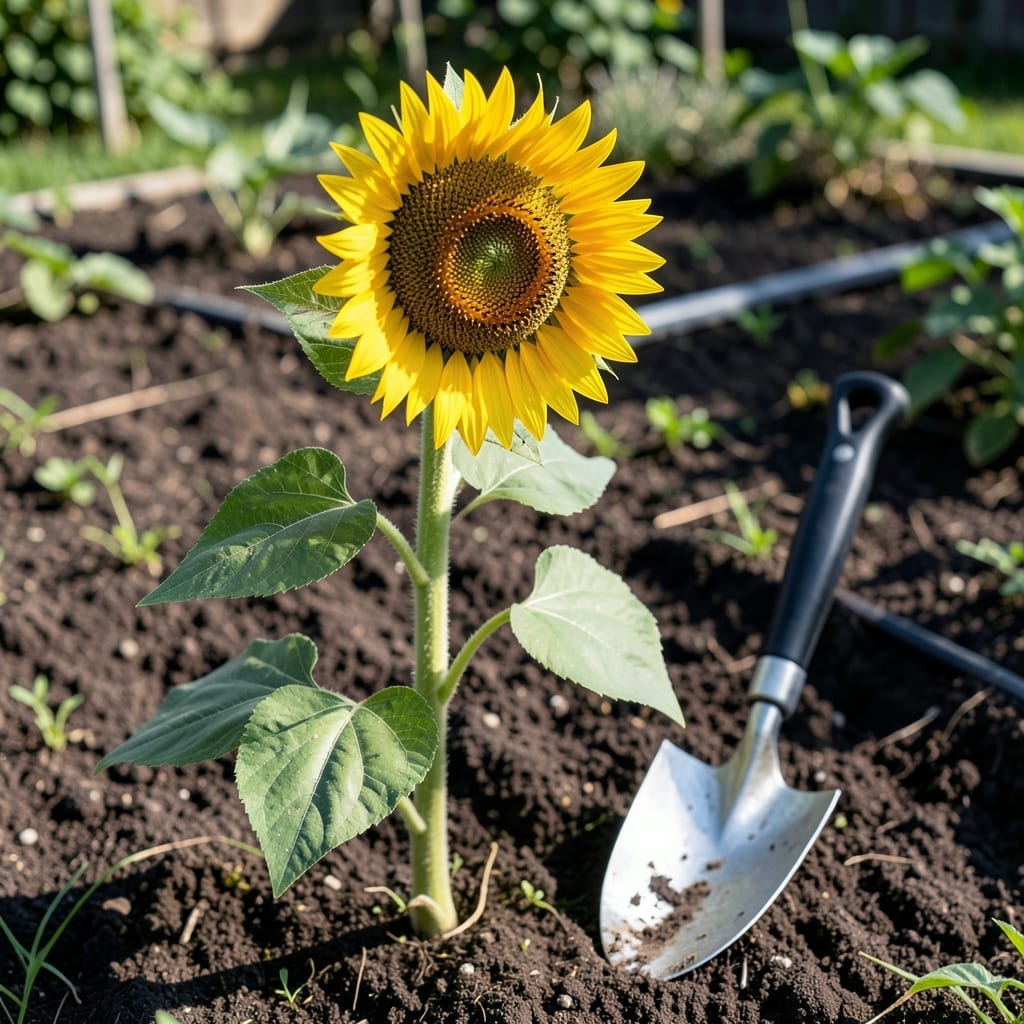
Timing is everything when it comes to planting Sunflower seeds in Indiana. Plant too early, and frost may destroy your seedlings. Plant too late, and you might miss the peak growing season.
In our 5b-6a zone, the spring window is April – May, when soil warms to the perfect temperature. Getting this right means the difference between thriving 🌻 blooms and a disappointing garden.
I’ve learned the hard way that Indiana’s unpredictable weather demands precision. The last frost date is your green light, but soil conditions matter just as much.
Discover how to nail the timing and set your Sunflower seeds up for success this growing season. Let’s make your garden the envy of the neighborhood.
In Indiana, timing your sunflower seeds right is crucial. The state spans USDA zones 5-6, so planting windows vary slightly. I always aim for mid-April to early May in most areas.
Soil temperature is key—wait until it hits 55-60°F at least. Northern Indiana often lags behind, so late April to early May works best there. Southern regions can start mid-April safely.
| Region | Planting Window | Last Frost Date |
|---|---|---|
| Northern Indiana | Late April – Early May | May 1 |
| Central Indiana | Mid-April – Early May | April 20 |
| Southern Indiana | Mid-April – Late April | April 15 |
I’ve found that soil thermometers are invaluable. Stick one 2-3 inches deep to confirm warmth. If you’re impatient, black plastic mulch can speed up warming by a few degrees.
Watch the 10-day forecast too. A surprise late frost can wipe out young seedlings. I learned this the hard way one spring when I planted too early and lost half my crop.
For giant sunflowers, start closer to May 1. They need that extra warmth. Dwarf varieties can go in a bit earlier since they’re more cold-tolerant.
If you’re in zone 5b, err on the side of caution. Zone 6a gardeners can push the envelope slightly. Remember, sunflowers hate frost—even a light one can stunt them.
I also recommend checking your local extension office for hyper-local advice. They often have real-time soil reports that can guide your timing perfectly.
And don’t forget: sunflowers thrive in full sun. Pick a spot with 6-8 hours of direct light daily. Pair this with your planting timing, and you’ll see strong, tall stems in no time.
Finally, if you’re planting multiple varieties, stagger your sowing dates. This extends your bloom season and gives you cut flowers all summer long.
With these tips, you’ll hit that sweet spot for planting every time 🌻
Preparing your soil properly is the foundation for healthy sunflowers in Indiana. I always start by choosing a well-draining location with full sun exposure, as sunflowers thrive in 6-8 hours of direct light daily.
Test your soil pH—sunflowers prefer slightly acidic to neutral (6.0-7.5). If needed, amend with compost or aged manure to boost fertility and drainage. Indiana’s clay-heavy soil often needs this extra help.
For dwarf varieties, I space seeds 6-12 inches apart, while giant sunflowers need 24 inches or more. This prevents overcrowding and ensures each plant gets enough nutrients.
After planting, keep the soil consistently moist but not soggy. Sunflower seeds typically germinate in 7-10 days when soil temps hit 55-60°F. I check my soil thermometer daily in early spring.
Once seedlings emerge, thin weaker plants to maintain proper spacing. This tough love approach leads to stronger stems and bigger blooms. Indiana’s spring rains usually provide enough water, but I supplement during dry spells.
Remember, sunflowers are heavy feeders. I apply a balanced fertilizer (5-10-10) when plants are 12 inches tall and again when buds form. This gives them the energy to reach their 8-12 foot potential.