
Beautiful Plants For Your Interior
Beautiful Plants For Your Interior
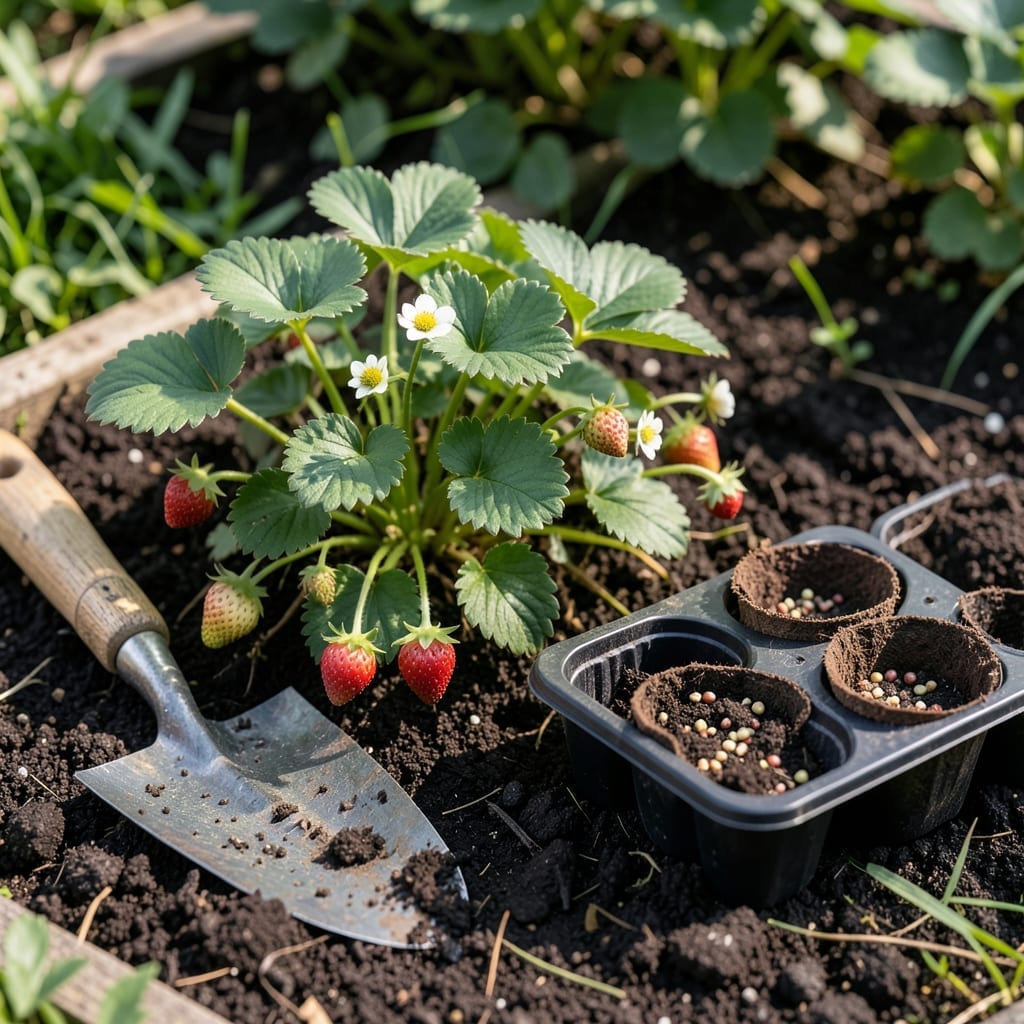
Timing is everything when growing 🍓 Strawberry in Florida’s unique climate. Plant your seeds at the wrong time, and you’ll miss out on a juicy, homegrown harvest.
Discover the perfect window for Zone 8b-10a gardeners to start seeds and enjoy sweet berries. Florida’s mild winters and long growing season offer a special advantage.
I’ll show you exactly when to plant for the best results, so you can avoid common mistakes. Whether you’re new to gardening or a seasoned pro, this timing makes all the difference.
Learn how to align your planting with Florida’s climate for a bountiful Strawberry harvest. Let’s get started on the path to your most productive season yet.
Florida’s Zone 9 climate offers a unique window for planting strawberry seeds. The ideal time is October to November, when cooler temperatures reduce heat stress on young plants. This timing allows seeds to germinate before winter’s mild chill sets in.
I’ve found that fall planting gives strawberries a head start for a spring harvest. Avoid planting in peak summer—Florida’s heat can inhibit germination and stress seedlings. Early fall ensures strong root development before fruiting begins.
| Planting Window | Best For | Key Notes |
|---|---|---|
| October-November | Primary window | Cool temps, ideal germination |
| September | Early start | Risk of heat stress |
| December | Late option | Slower germination |
For Zone 9 gardeners, October planting is my top recommendation. The soil temperature stays warm enough for quick germination but cool enough to prevent heat shock. I’ve seen the best results with seeds sown by mid-November.
If you miss the fall window, early spring (February) can work, but you’ll need to protect seedlings from sudden cold snaps. Florida’s unpredictable weather makes fall the safer bet for consistent results.
Remember that strawberry seeds need consistent moisture to germinate. I keep my seed trays in a shady spot until sprouts appear, then gradually introduce them to sunlight. This prevents stress during the delicate early stages.
Microclimates matter in Florida. Coastal areas may allow September planting, while inland spots benefit from waiting until late October. Observe your local patterns—if your area gets early frosts, adjust accordingly.
For the best harvest timing, aim for 90 days from seed to fruit. Planting in October means you could be picking berries by March, just as temperatures start warming up again. This aligns perfectly with Florida’s growing season.
I always test soil temperature before planting. If it’s above 85°F, wait a few weeks. Strawberry seeds germinate best at 60-75°F. A simple soil thermometer takes the guesswork out of timing.
Finally, consider successive planting. Sow a small batch in October and another in November to extend your harvest window. This strategy helps me enjoy fresh strawberries for weeks longer each spring. ☀️
Starting strawberry seeds indoors in Florida gives you a head start before transplanting outside. I begin 8-10 weeks before the last frost date, which in Zone 9 is typically around February 15. This means starting seeds in early December.
Use a well-draining seed mix and plant seeds 1/4 inch deep. Keep the soil consistently moist but not soggy. I place my trays under grow lights for 14-16 hours daily to mimic natural light. 🌱
Maintain a constant temperature of 70°F for optimal germination, which typically takes 2-4 weeks. Once seedlings have 2-3 true leaves, I begin the hardening-off process by gradually exposing them to outdoor conditions.
I start by placing seedlings outside for 1-2 hours in a shaded area, increasing the time and sunlight exposure over 7-10 days. This acclimates them to Florida’s humidity and wind before permanent planting. ✂️
When transplanting, choose a sunny location with well-draining soil. Space plants 12-18 inches apart to allow for runners. I always add compost to the planting area for extra nutrients.