
Beautiful Plants For Your Interior
Beautiful Plants For Your Interior
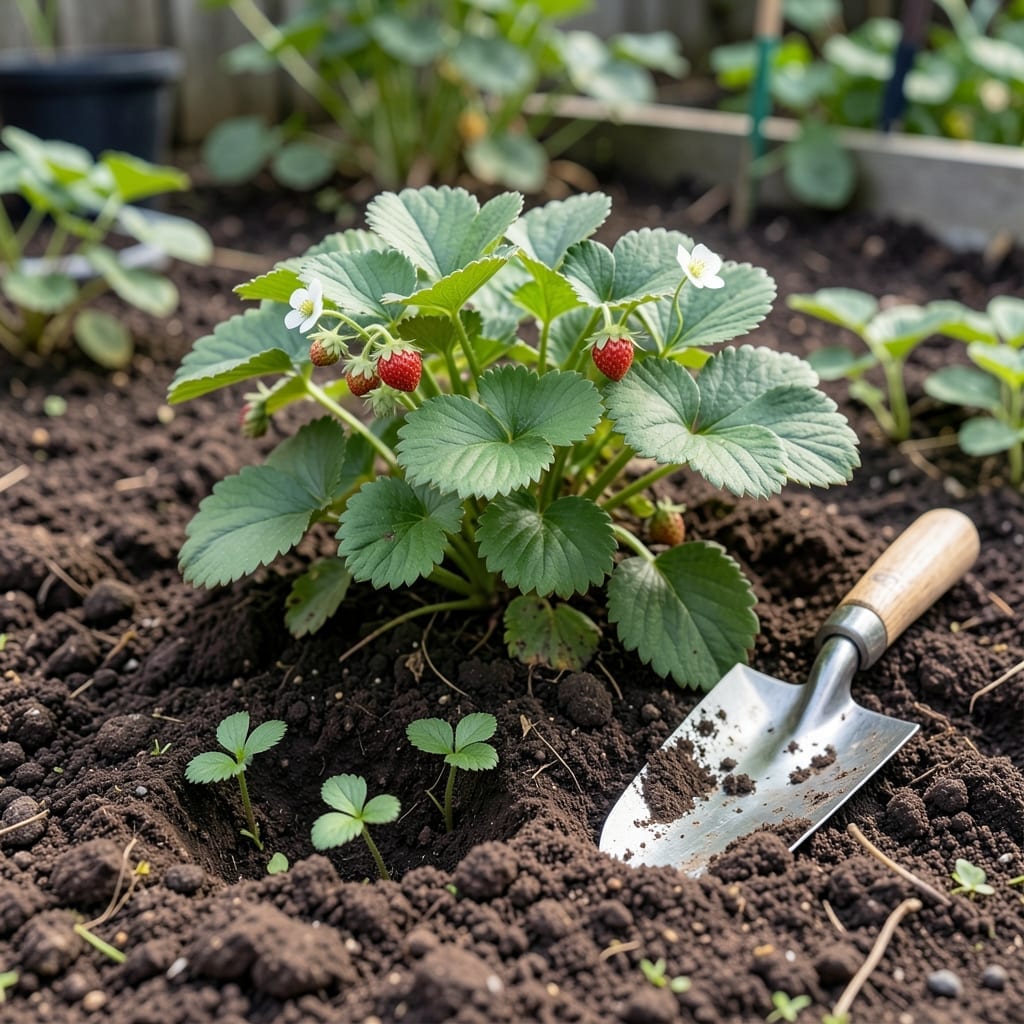
Sacramento’s mild winters and hot summers make it perfect for growing juicy 🍓 Strawberry—but timing is everything. Plant too early or too late, and you’ll miss out on the sweetest harvests.
In our Zone 9b climate, getting the timing right means the difference between a bountiful crop and a disappointing one. The window is narrow but critical for success.
I’ve tested different planting schedules in my own Sacramento garden, and the results were eye-opening. The best time isn’t just about the calendar—it’s about working with our unique seasons.
Discover exactly when to get those bare-root or container-grown plants in the ground for a harvest that’ll make your neighbors jealous. Let’s dig in.
Timing your strawberry planting in Sacramento is crucial for a successful harvest. Our Zone 9b climate offers a long growing season, but frost and heat can impact young plants if not planned carefully.
For bare-root strawberries, aim to plant 4-6 weeks before the last frost date, which is typically around February 15. This gives roots time to establish before warmer weather arrives.
| Plant Type | Best Time to Plant | Key Notes |
|---|---|---|
| Bare-root | January – February | Plant 4-6 weeks before last frost |
| Container-grown | March – April | Avoid extreme summer heat |
| June-bearing | January – February | Single large harvest in spring |
| Everbearing | March or September | Multiple harvests per season |
I’ve found that January through March is the sweet spot for most strawberry varieties in Sacramento. This window avoids the summer heat stress that can stunt growth or scorch leaves.
For June-bearing strawberries, stick to early planting in January or February. These varieties produce one big harvest in spring and need that head start to establish strong roots.
Everbearing strawberries are more flexible—you can plant them in early spring or fall. They’ll produce multiple smaller harvests throughout the growing season.
Soil preparation is just as important as timing. I always amend my beds with plenty of compost before planting. Strawberries thrive in well-draining, slightly acidic soil with a pH between 5.5 and 6.8.
Water consistently but avoid soggy soil. I water my new strawberry plants 2-3 times per week, adjusting for rain. The key is keeping soil evenly moist not waterlogged.
With the right timing and care, you’ll be enjoying homegrown strawberries by late spring. I’ve had my best harvests when I planted in early February and gave plants a month to establish before warmer weather arrived. 🌱
Not all strawberries thrive equally in Sacramento’s Zone 9b climate. I’ve tested several varieties in my garden, and a few stand out for their flavor, productivity, and adaptability to our unique growing conditions.
Choosing the right variety can mean the difference between a mediocre harvest and an abundant crop of sweet, juicy berries. Each type has its own ideal planting window and care requirements.
| Variety | Planting Time | Harvest Window | Key Traits |
|---|---|---|---|
| Albion | March or September | May – October | Everbearing, heat-tolerant |
| Seascape | January – March | April – June | Day-neutral, disease-resistant |
| Chandler | January – February | April – May | June-bearing, large berries |
Albion strawberries are my top pick for Sacramento gardens. They’re everbearing, meaning they produce multiple harvests throughout the season. I plant mine in early March for a first harvest by May.
Seascape strawberries are another excellent choice, especially for beginners. They’re day-neutral, so they’ll produce berries regardless of daylight length. Plant these in January through March for best results.
For a single, large harvest, try Chandler strawberries. These June-bearing plants need to go in the ground January or February to produce their bounty in late spring. They’re perfect if you want berries for jam-making.
Remember, each variety has its own water and sunlight needs. I give all my strawberries at least 6 hours of sun daily and keep the soil consistently moist but not waterlogged. 🌱