
Beautiful Plants For Your Interior
Beautiful Plants For Your Interior
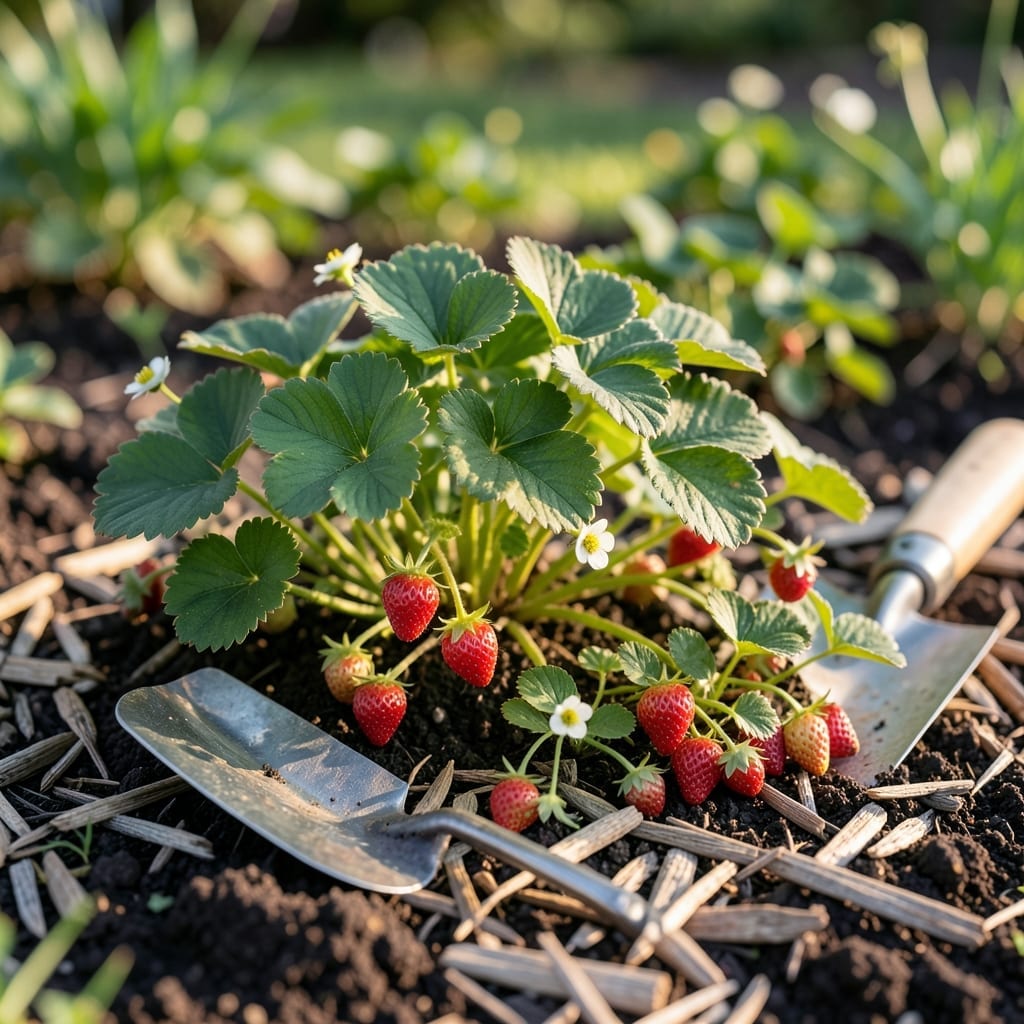
Timing is everything when planting Strawberry 🍓 in New Hampshire. Plant too early and frost may ruin your crop. Plant too late and you’ll miss the prime growing window.
In zones 5a-6a, getting the timing right ensures a sweet, bountiful harvest. New Hampshire’s climate demands precision, and I’ll help you nail it.
Discover the exact window to set your plants up for success. Whether you’re new to gardening or a seasoned pro, this guide will clarify the best approach.
Learn how to align your planting with NH’s seasons and avoid common pitfalls. Let’s make this your best Strawberry season yet.
New Hampshire spans USDA zones 3-6, and your exact planting window depends on your specific zone. In zone 5-6, which covers most of southern NH, you’ll want to plant bare-root strawberries as soon as the ground is workable in early spring.
For northern NH (zones 3-4), wait until after the last frost date, typically around May 15. Fall planting is also possible, but it requires extra care to protect young plants from early frosts.
| Zone | Spring Planting | Fall Planting | Notes |
|---|---|---|---|
| 3-4 | Late April – May | August | Protect from frost |
| 5-6 | Early April – May | September | Earlier spring start |
I always recommend bare-root strawberries for spring planting because they establish quickly. Plant them 12-18 inches apart in rows that are 3-4 feet apart to allow for good air circulation.
If you’re planting container-grown strawberries, you can start a bit later, as they’re less vulnerable to frost. Just be sure to harden them off before transplanting outdoors.
For everbearing strawberries, which produce fruit throughout the season, you can plant them in early spring or late summer. They’ll give you a smaller but steady harvest.
Remember, soil temperature is key. Strawberries prefer soil that’s at least 60°F. Use a soil thermometer to check before planting.
In my experience, mulching is non-negotiable in NH. Apply a 2-3 inch layer of straw around plants to retain moisture and suppress weeds.
If you’re in a warmer microclimate, like near a south-facing wall, you might get away with planting a week or two earlier. But always have frost protection ready.
Finally, water consistently after planting. Keep the soil moist but not soggy for the first few weeks as plants establish.
With proper timing and care, you’ll be enjoying sweet NH strawberries all summer long 🌱
Choosing the right strawberry variety for New Hampshire makes all the difference. June-bearing strawberries are popular here, producing one large harvest in early summer. I recommend planting these in early spring for the best results.
For continuous fruit, everbearing strawberries produce multiple smaller harvests. These are great for NH because they can be planted in spring or late summer, giving you flexibility with timing.
| Variety | Planting Time | Harvest Time | Growth Habit |
|---|---|---|---|
| June-bearing | Early spring | June – early July | Single large harvest |
| Everbearing | Spring or late summer | June, September | Multiple smaller harvests |
| Day-neutral | Spring or fall | All season | Continuous fruiting |
Day-neutral strawberries are another excellent choice for NH gardeners. These versatile plants produce fruit continuously throughout the growing season, regardless of day length. I suggest planting them in spring or early fall.
For northern NH (zones 3-4), stick with hardy June-bearing varieties like ‘Sparkle’ or ‘Honeoye’. These are cold-tolerant and well-suited to shorter growing seasons.
In southern NH (zones 5-6), you have more flexibility. Try ‘Albion’ or ‘Seascape’ for everbearing options, or ‘Tristar’ for day-neutral types. These thrive in our slightly warmer climate.
I always mulch heavily in fall to protect plants from NH’s harsh winters. Use straw or pine needles for the best insulation. This is especially important for everbearing and day-neutral varieties planted in fall.
Remember, variety selection affects your planting timeline. Match your choice to your zone and desired harvest pattern for the best results 🌿