
Beautiful Plants For Your Interior
Beautiful Plants For Your Interior
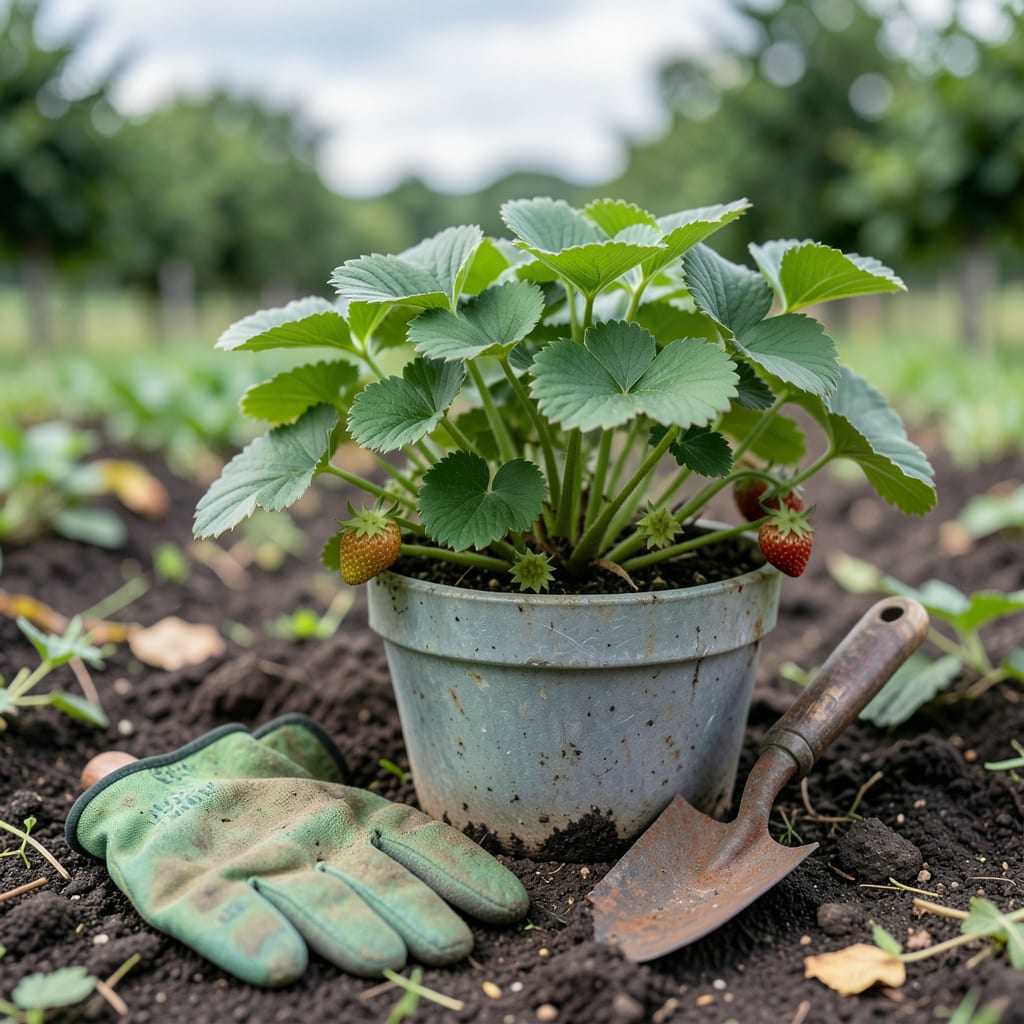
As a Georgia gardener, you’re probably wondering when to get your strawberry 🍓 plants in the ground. The timing is crucial for a bountiful harvest, and I’m here to guide you through it. In Georgia’s USDA Zone 8a, the ideal time to plant strawberries is during the cooler months.
You can plant strawberries in either early spring (February – March) or late summer/early fall (September – October). These periods offer the best conditions for establishment and growth, avoiding the harsh summer heat. Let’s dive into the details to ensure your strawberry patch thrives.
In Georgia, the ideal time to plant strawberries is during the cooler months, specifically in early spring (February – March) or late summer/early fall (September – October). These periods provide the best conditions for establishment and growth, avoiding the harsh summer heat that can be detrimental to the plants.
The state’s USDA Zone 8a climate means that strawberries can thrive in the region, but it’s essential to consider the last frost date when planting in the spring. Typically, the last frost date in Georgia is around March 15, so it’s crucial to plant strawberries at least 8 weeks before this date to give them a head start on the growing season.
Regional variations across Georgia can affect the specific planting times. For instance, the coastal regions tend to have a longer growing season than the mountainous areas. Understanding these regional differences is vital for successful strawberry cultivation.
When planting strawberries, it’s also essential to consider the soil temperature. The ideal soil temperature for strawberry planting is between 40°F and 70°F. This temperature range allows for optimal root growth and establishment.
Another critical factor is the frost-free period. Georgia’s frost-free period typically lasts around 240 days, which is sufficient for strawberry production. However, it’s crucial to protect the plants from extreme weather conditions, such as late frosts or prolonged heatwaves.
In addition to the optimal planting seasons, gardeners should also be aware of the common strawberry varieties grown in Georgia. Popular varieties include ‘Chandler’, ‘Camarosa’, and ‘Festival’, which are known for their disease resistance and high yields.
To ensure a successful harvest, gardeners should also consider factors such as soil quality, moisture levels, and pest management. By understanding these factors and planting at the right time, gardeners can enjoy a bountiful strawberry harvest in Georgia.
For those looking to plant strawberries in the spring, it’s essential to prepare the soil in the preceding fall. This involves adding organic matter such as compost or well-rotted manure to improve soil fertility and structure.
By following these guidelines and understanding the unique needs of strawberries in Georgia’s climate, gardeners can enjoy a successful and productive strawberry crop. Whether planting in the spring or fall, careful planning and attention to detail are key to a bountiful harvest 🍓.
The planting window for strawberries in Georgia is relatively flexible, allowing gardeners to choose the best time based on their specific climate and region. However, it’s generally recommended to plant in the cooler months to avoid the stress of summer heat.
Overall, planting strawberries in Georgia requires careful consideration of the state’s climate and regional variations. By understanding the optimal planting times and necessary precautions, gardeners can enjoy a successful and productive strawberry crop.
Before planting strawberries in Georgia, it’s essential to prepare your garden properly. This involves selecting the right location and preparing the soil to ensure optimal growing conditions. Strawberries require full sun and well-draining soil to thrive.
Test your soil pH and adjust it if necessary. Strawberries prefer a slightly acidic to neutral soil pH (around 5.5-6.5).
To prepare the soil, start by removing any debris and weeds from the planting area. Then, add organic matter such as compost or well-rotted manure to improve soil fertility and structure. This will help to create a well-draining and nutrient-rich soil environment that strawberries need to grow.
In addition to soil preparation, it’s also important to choose healthy strawberry plants. Look for plants with strong, green leaves and no signs of disease or pest damage. You can purchase strawberry plants from a reputable nursery or garden center in Georgia.
When planting strawberries,
By following these tips and preparing your garden properly, you can create an ideal environment for your strawberry plants to thrive in Georgia’s climate. Proper preparation is key to a successful harvest 🌼.
It’s also worth noting that strawberries can be grown in containers if you don’t have space for a traditional garden bed. Make sure the container is at least 6-8 inches deep and has good drainage holes to prevent waterlogged soil.
Overall, with the right preparation and care, you can enjoy a bountiful harvest of delicious strawberries in Georgia. Happy gardening! 🌻
After planting strawberries in Georgia, proper care is essential for a bountiful harvest. This includes maintaining consistent moisture levels, providing adequate nutrients, and managing pests and diseases. Let’s explore these critical aspects of post-planting care.
Maintaining the right moisture levels is crucial. Strawberries need consistent moisture, especially when they’re producing fruit. However, avoid overwatering, which can lead to root rot and other issues. A good rule of thumb is to water them every 7-10 days, depending on weather conditions.
Fertilization is another key aspect of caring for your strawberry plants. Use a balanced fertilizer (such as 10-10-10 NPK) every 4-6 weeks during the growing season. Start fertilizing as new growth begins in the spring, and continue through the fall. This will provide your plants with the necessary nutrients to produce a healthy crop.
Pest and disease management is also vital. Keep an eye out for common pests like aphids, spider mites, and slugs. Use organic pest control methods whenever possible to minimize harm to your plants and the environment. Regularly inspect your plants for signs of disease, such as powdery mildew or botrytis, and take action promptly if you notice any issues.
By following these care guidelines, you can enjoy a successful and productive strawberry harvest in Georgia.
In addition to these care tips, consider using mulch around your strawberry plants to retain moisture and suppress weeds. This can help reduce the need for frequent watering and weeding, making your strawberry care routine more efficient.
Overall, caring for strawberry plants after planting in Georgia requires attention to detail and a commitment to providing the right conditions for growth. With proper care, you can enjoy a bountiful harvest of delicious strawberries 🍓.
The ideal time to plant strawberries in Georgia is during the cooler months, specifically in early spring (February – March) or late summer/early fall (September – October). These periods provide the best conditions for establishment and growth.
To prepare your soil, remove any debris and weeds, then add organic matter like compost or well-rotted manure to improve soil fertility and structure. Strawberries prefer slightly acidic to neutral soil pH (around 5.5-6.5).
Water strawberries every 7-10 days, providing 1-2 inches of water per week. Adjust based on weather conditions to maintain consistent moisture levels.
Common pests include aphids, spider mites, and slugs. Use organic pest control methods whenever possible to minimize harm to your plants and the environment. Monitor your plants regularly for signs of infestation.
