
Beautiful Plants For Your Interior
Beautiful Plants For Your Interior
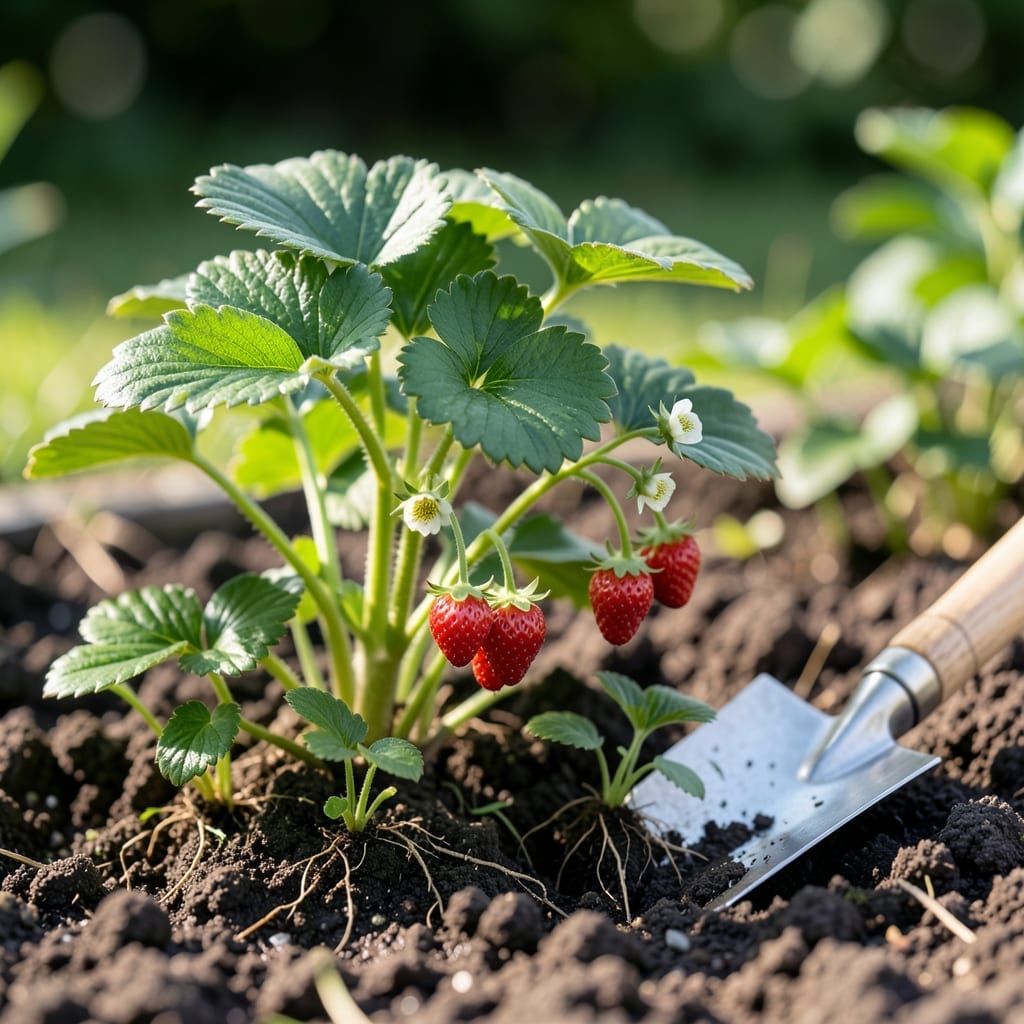
Timing is everything when growing the juiciest 🍓 in East Texas. Plant too early or too late, and you risk losing your crop to frost or scorching heat.
Our region’s unique climate demands precision. With 240 frost-free days and USDA zone 8a conditions, timing your strawberry planting can make or break your harvest.
I’ve tested different approaches, and what I’m about to share will save you from common pitfalls. Whether you’re a beginner or seasoned gardener, these insights work.
Discover the perfect window for planting strawberries that thrive in our Lone Star State climate. Let’s get those berries growing right.
In East Texas, timing your strawberry planting correctly is crucial. The ideal window is September through October for most varieties, allowing roots to establish before winter.
For spring planting, aim for February to March, but be mindful of late frosts. Each variety has slightly different needs, so let’s break it down.
| Variety | Best Planting Months | Key Notes |
|---|---|---|
| June-bearing | September-October | Largest harvest in spring |
| Everbearing | September or February | Multiple smaller harvests |
| Day-neutral | October or March | Continuous fruiting until frost |
I always recommend fall planting in East Texas because the milder temperatures help plants establish strong root systems without stress.
The June-bearing varieties do best with an early start, so September to October gives them the time they need to thrive come spring.
For everbearing strawberries, you have a bit more flexibility. Planting in early fall or late winter both work, but fall planting often yields better results.
Day-neutral strawberries are the most forgiving. They can be planted in October or March and will produce fruit continuously until the weather turns too hot or cold.
Remember, East Texas falls in USDA zones 7b-8a, meaning our first frost is typically around November 15, and the last frost is around March 15. 🌱
If you plant in spring, be prepared to protect your strawberries from unexpected late frosts. A frost cloth can be a lifesaver during those unpredictable March nights.
For the best results, choose a well-draining location with full sun exposure. Strawberries need at least 6-8 hours of sunlight daily to produce sweet, juicy fruit. ☀️
Finally, space your plants 12-18 inches apart to allow for proper airflow and growth. This spacing helps prevent diseases and ensures each plant gets enough nutrients. 🌿
Planning your strawberry planting in East Texas requires understanding our region’s unique seasons. With USDA zones 7b-8a, our timeline differs from cooler climates.
I’ve found that late summer prep and fall planting yield the best results. Here’s a clear breakdown of what to do and when to do it.
In August, focus on soil preparation. Strawberries thrive in well-draining, slightly acidic soil, so I always test and amend my beds before planting.
The September-October window is prime for establishing plants. Roots develop in the cooler fall weather, avoiding summer stress. This timing ensures strong growth before winter dormancy.
By November, protect your investment with mulch. I use pine straw because it’s readily available in East Texas and provides excellent insulation against temperature swings.
If you miss the fall planting, February-March offers a second chance, especially for day-neutral varieties. Just watch for late frosts and be ready with frost cloths.
Once spring arrives, your focus shifts to care and harvest. Keep soil consistently moist but not waterlogged, and enjoy those sweet berries as they ripen. 🌱