
Beautiful Plants For Your Interior
Beautiful Plants For Your Interior
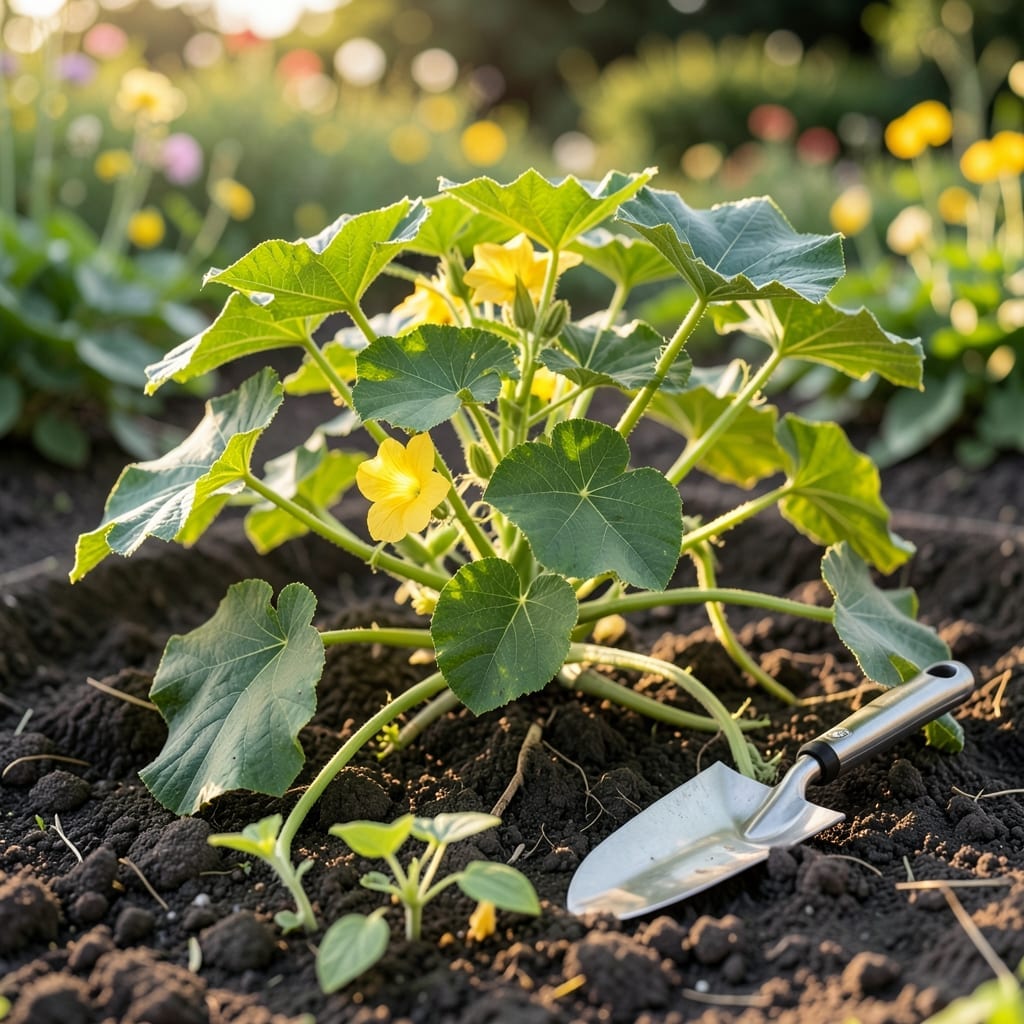
Seattle’s mild but unpredictable climate can make timing your squash planting tricky. Knowing the right windows ensures a bumper harvest of summer and winter varieties in Zone 8b.
I’ve learned the hard way that the 🎃 Squash doesn’t thrive unless the soil is warm enough. waiting for the perfect moment can feel like a gamble.
What if you could take the guesswork out of the equation? There’s a simple way to align your planting with Seattle’s unique seasonal patterns.
Let me show you how to pinpoint the best time so your Squash gets the head start it deserves.
Seattle’s Zone 8 climate offers a long growing season, but squash thrives best when planted after the last frost. For summer squash, aim for late May to early June to avoid cool soil. This timing ensures your plants get the warmth they need to flourish. 🌱
Winter squash varieties like butternut or acorn need even more warmth, so I recommend planting them in June or early July. This gives them enough time to mature before the first frost in mid-October. Always check soil temperature—it should be at least 70°F for optimal germination. 🌿
| Squash Type | Planting Window | Soil Temp Requirement | Harvest Time |
|---|---|---|---|
| Summer Squash | Late May – Early June | 70°F minimum | July – September |
| Winter Squash | June – Early July | 70°F minimum | September – October |
Seattle’s maritime climate means cool, damp springs, which can delay soil warming. I always use black plastic mulch to speed up the process. This simple trick can raise soil temperature by 5-10°F, giving your squash a head start. ☀️
Direct seeding is my preferred method for squash in Seattle. It avoids transplant shock and lets the plants establish strong root systems. If you start seeds indoors, harden them off carefully—Seattle’s spring winds can be tough on tender seedlings. 🌱
For early varieties of summer squash, you might push the planting date to mid-May if you’re using row covers. These protect young plants from unexpected chills. Just remove them once temperatures consistently stay above 50°F at night. 🌡️
Frost dates are critical in Seattle. Our last frost is typically around April 15, but squash is frost-sensitive. Waiting until late May ensures you’re safely past any late frosts. I’ve learned the hard way that patience pays off with squash! 🌿
If you’re planting multiple varieties, stagger your planting dates. This extends your harvest season and ensures a steady supply. I like to plant a new batch of zucchini every 2 weeks through early July for continuous production. ✂️
Soil preparation is key for squash success. Seattle’s soil can be heavy and slow to drain, so I always amend with compost and ensure good drainage. Squash plants hate wet feet, so raised beds can be a great solution in damp areas. 💧
Remember that microclimates matter in Seattle. South-facing slopes or areas near paved surfaces warm up faster. I’ve found that these spots can allow for slightly earlier planting. Observe your garden’s unique conditions to fine-tune your timing. ☀️
Seattle’s cool, damp soil can be a challenge for squash plants that crave warmth. I always start by testing the soil temperature with a simple thermometer to ensure it’s at least 60°F before planting.
Warming the soil is key, and I’ve found that black plastic mulch works wonders. It traps heat and speeds up the warming process, giving your squash the head start it needs in our maritime climate. ☀️
Improving drainage is another critical step. Seattle’s clay-heavy soil can hold too much moisture, which squash roots dislike. I mix in plenty of organic compost to loosen the soil structure.
Don’t forget to select the sunniest microclimates in your garden. South-facing areas or spots near heat-absorbing surfaces like walls or paved paths can provide that extra warmth squash needs to thrive.
If your soil is particularly cold, consider starting seeds indoors 2-3 weeks before transplanting. This gives you more control over the germination environment while waiting for outdoor conditions to improve.
Finally, remember that consistent moisture is important, but avoid waterlogging. I use drip irrigation to deliver water directly to the roots while keeping the foliage dry, which helps prevent disease in our humid summers. 🌱