
Beautiful Plants For Your Interior
Beautiful Plants For Your Interior
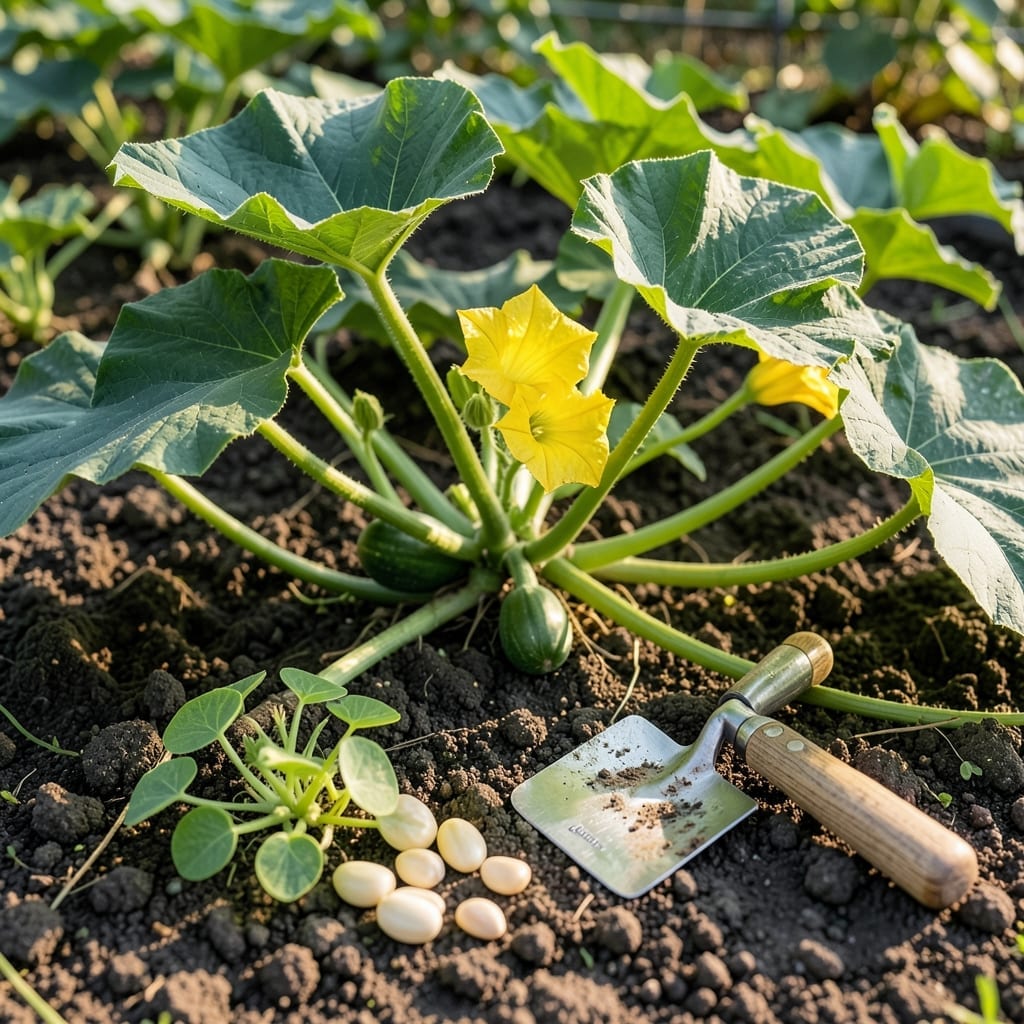
Timing is everything when growing 🎃 Squash in North Texas. Plant too early, and a late frost might wipe out your seedlings. Wait too long, and the summer heat can stress your plants before they produce.
As a gardener in zone 8a, I’ve learned that getting the timing right means the difference between a bumper crop and a disappointing harvest. The window is tighter than you might think.
Whether you’re growing zucchini, butternut, or acorn varieties, knowing the ideal months to start is the key to success. I’ll share the exact planting schedule that works for our region.
Discover how to align your planting with North Texas’s unique climate. Let’s make this your most productive squash season yet.
North Texas gardeners know that timing is critical for squash success. Our region’s USDA Zone 8a climate means we have a longer growing season, but we must still respect the last frost date of March 15 to avoid disaster.
For summer squash like zucchini and yellow squash, I recommend planting after the soil warms to at least 70°F. This usually happens in mid-April, but watch the weather closely. 🌱
| Variety | Planting Window | Soil Temp | Harvest Time |
|---|---|---|---|
| Zucchini | April – June | 70°F+ | 50-60 days |
| Yellow Squash | April – June | 70°F+ | 50-60 days |
| Butternut | May – June | 75°F+ | 80-100 days |
| Acorn | May – June | 75°F+ | 80-100 days |
Winter squash varieties like butternut and acorn need even warmer soil—75°F minimum. I start these in late May to ensure they have enough time to mature before the first frost in November. 🌿
Don’t forget about fall planting! For a second harvest, I sow summer squash seeds in late August. This gives me a second crop before the weather turns cold. The key is counting backward from our first frost date.
Soil preparation is just as important as timing. I always amend my beds with compost before planting. Squash are heavy feeders, so rich, well-draining soil is a must for strong growth.
For the best results, I plant in full sun—at least 6-8 hours of direct sunlight daily. Partial shade might work, but you’ll see smaller yields and slower growth. ☀️
Watering consistently is crucial, especially during our hot Texas summers. I aim for 1-2 inches of water per week, delivered at the base of the plant to avoid wetting the leaves. This helps prevent fungal diseases.
If you’re eager to get a head start, consider using row covers in early spring. These protect young plants from unexpected cold snaps while still allowing sunlight and water to reach them.
Remember, squash plants are fast growers. Once they’re established, they can produce an abundance of fruit in just a few weeks. Regular harvesting encourages more production throughout the season.
Even experienced gardeners can stumble when planting squash in North Texas. One of the biggest mistakes I see is planting too early. Our last frost date is typically March 15, but late cold snaps can still damage young plants. 🌱
Another common error is ignoring soil temperature. Squash seeds need 70°F+ soil to germinate properly. I always use a soil thermometer to check before planting, especially in early spring.
⚠️ Watch Out! Planting before soil warms to 70°F leads to poor germination. In North Texas, this often means waiting until mid-April for summer squash and late May for winter varieties.
Many gardeners also miss the fall planting window. For a second harvest, I sow summer squash seeds in late August. This gives plants time to mature before the first frost in November.
Poor soil preparation is another pitfall. Squash are heavy feeders, so I always amend my beds with compost or aged manure before planting. Skipping this step often results in weak, unproductive plants. 🌿
Overcrowding is a frequent issue too. I space my squash plants 2-3 feet apart to ensure good air circulation. This helps prevent fungal diseases and allows each plant to receive adequate sunlight.
Finally, inconsistent watering can stress squash plants. I aim for 1-2 inches of water per week, delivered at the base of the plant. Avoid wetting the leaves to reduce the risk of powdery mildew. ☀️