
Beautiful Plants For Your Interior
Beautiful Plants For Your Interior
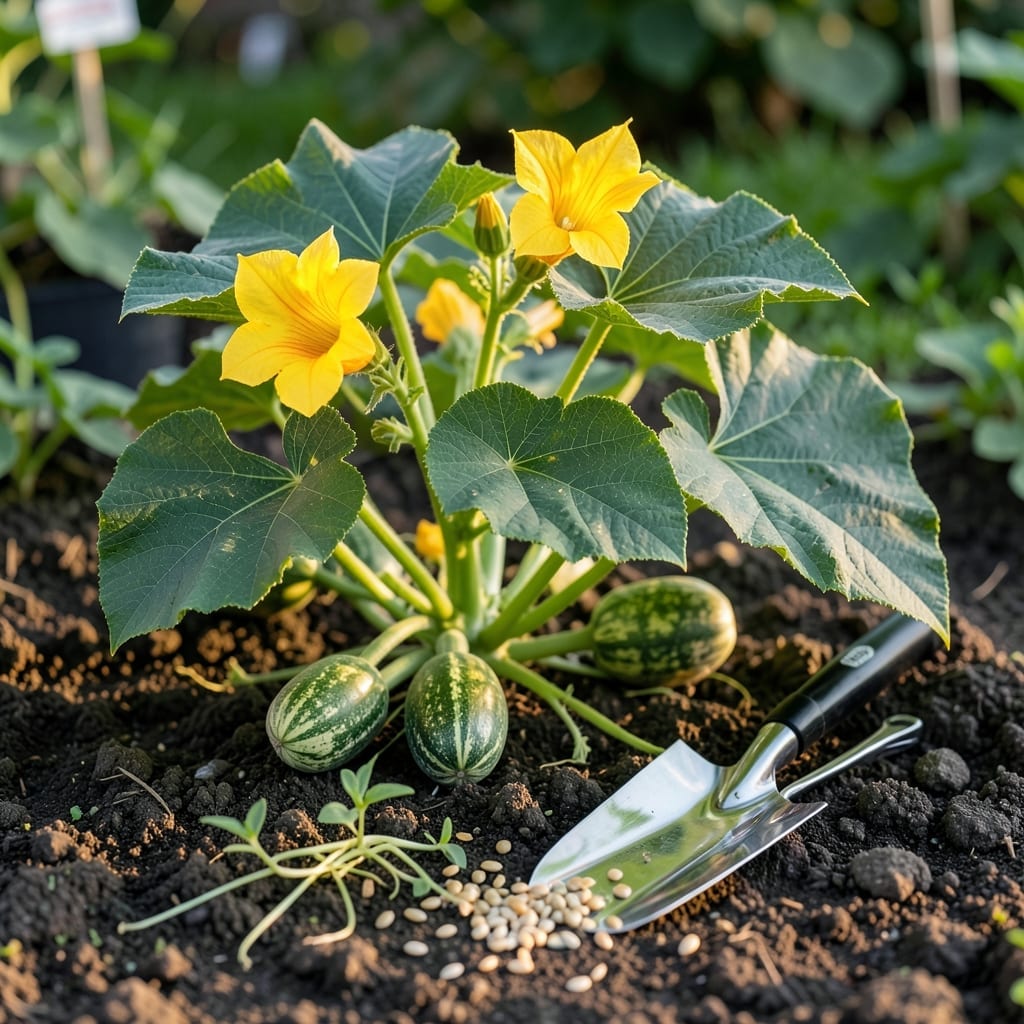
Arizona’s extreme heat and unique growing seasons can make planting 🎃 Squash a challenge, but timing it right ensures a bountiful harvest. Whether you’re in the low desert or high country, knowing the optimal planting windows is the key to success.
I’ve seen gardeners struggle when they plant too early or too late. The state’s diverse climate means what works in Phoenix won’t always work in Flagstaff. That’s why understanding your local conditions is so important.
In this guide, I’ll walk you through the best times to plant Squash in Arizona’s distinct regions. You’ll discover how to work with frost dates, soil temperatures, and regional quirks to get it just right.
By the end, you’ll have a clear roadmap for planting that leads to healthy vines and a harvest you can be proud of. Let’s get started.
Timing is everything when growing squash in Arizona, where extreme heat can make or break your harvest. I’ve found that planting too early risks frost damage, while waiting too long means battling scorching temperatures that stress young plants.
The state’s diverse elevations create microclimates that demand different approaches. Low desert areas like Phoenix and Tucson have the earliest windows, while higher elevations need to wait for warmer soil.
| Region | Planting Window | Last Frost Date | Soil Temp |
|---|---|---|---|
| Low Desert | Feb 15 – Mar 15, Aug 15 – Sep 1 | Feb 15 | 70°F+ |
| Intermediate | Mar 15 – Apr 15, Sep 1 – 15 | Mar 15 | 70°F+ |
| High Desert | Apr 15 – May 15, Sep 15 – 30 | May 15 | 70°F+ |
In the low desert, I start seeds indoors in January for a head start, then transplant after the last frost. The second planting window in late summer avoids the worst heat while still allowing time for maturity before winter.
For intermediate elevations, like Prescott or Payson, the season is shorter. I wait until mid-March when soil temps reliably hit 70°F. The fall planting here can extend into early October if the monsoon season cooperates.
High desert and northern Arizona present the biggest challenge. The growing season is shorter, so I focus on early-maturing varieties and use black plastic mulch to warm the soil faster in spring.
Soil temperature is the most critical factor I monitor. Squash seeds won’t germinate below 60°F, and 70°F+ is ideal. I use a soil thermometer to check conditions at 2-inch depth before planting.
Frost dates are less of a concern in most of Arizona, but unseasonal cold snaps can still happen. I always keep row covers handy for unexpected dips, especially in early spring plantings.
The monsoon season in late summer can be both a blessing and a curse. While it provides needed moisture, the humidity can encourage powdery mildew. I space plants for airflow and water at the base to keep foliage dry.
For all regions, I’ve found that successive planting every 2-3 weeks extends the harvest. This works especially well with zucchini and yellow squash, which produce quickly in our climate. ☀️
Protecting squash plants from Arizona’s scorching sun is crucial for a healthy harvest. The intense heat can stress plants, leading to poor fruit set or wilting. I’ve found that shade cloth is a game-changer during peak summer months.
Using 30-50% shade cloth can reduce temperatures by 10-15°F, giving your squash the relief it needs. Additionally, organic mulch helps retain soil moisture and keeps roots cool.
Drip irrigation is another essential tool for Arizona squash. It delivers water directly to the roots, minimizing evaporation and preventing leaf burn from overhead watering. I recommend watering early in the morning to reduce heat stress.
For additional heat protection, consider planting squash near taller crops like corn or sunflowers. These provide natural shade during the hottest part of the day. Just ensure they don’t compete for essential nutrients in the soil.
If you notice leaf scorch or wilting, act quickly. Move potted squash to a cooler spot, or increase shade for in-ground plants. Consistent monitoring is key to catching issues early in Arizona’s unforgiving climate.
Finally, choose heat-tolerant varieties like zucchini or yellow crookneck for best results. These handle the desert heat better than other types and often produce abundantly with the right care. ☀️