
Beautiful Plants For Your Interior
Beautiful Plants For Your Interior
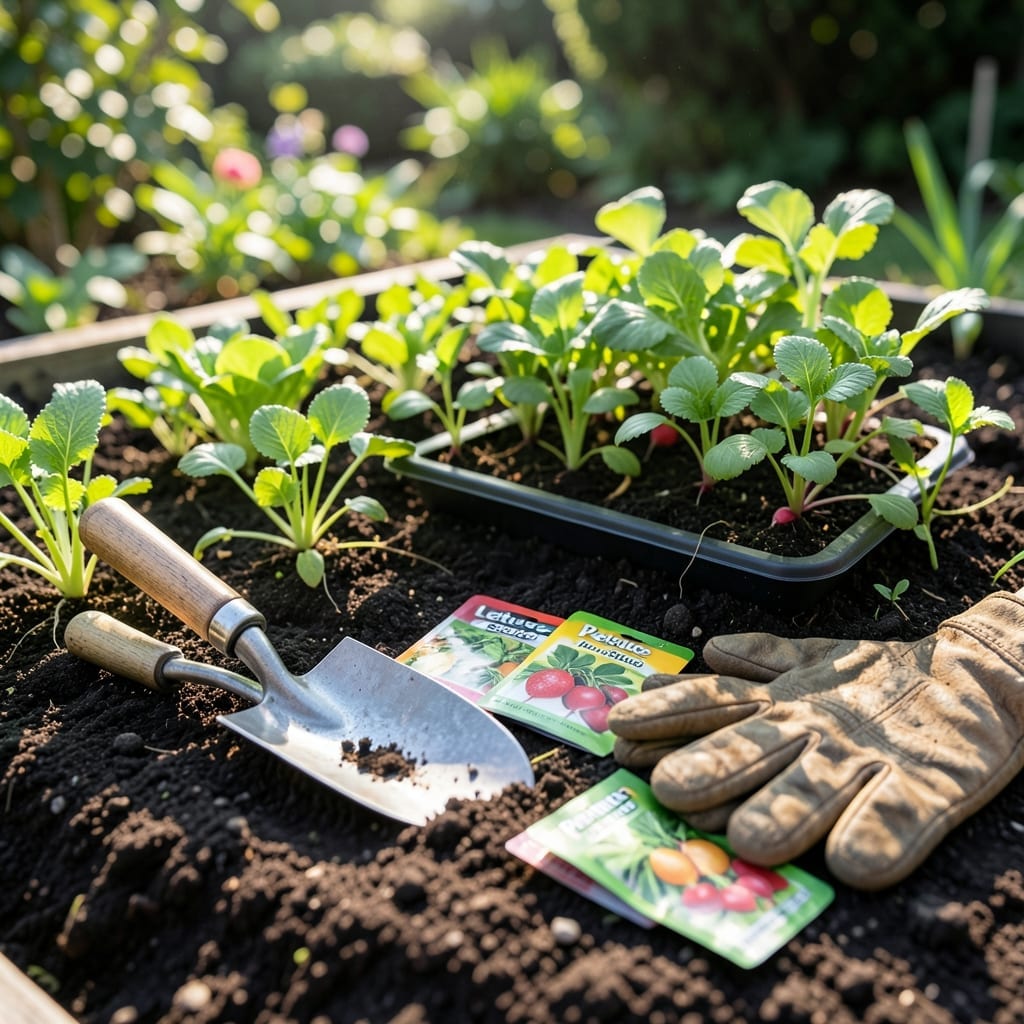
Timing is everything when planting Spring Vegetables 🥬 in Pennsylvania. Plant too early and frost may kill your seedlings, too late and you’ll miss the optimal growing window.
This guide helps PA gardeners navigate the state’s diverse climate zones for a bountiful harvest. Whether you’re in 6a-7b or another zone, getting the timing right makes all the difference.
I’ll walk you through the most important factors to consider, from last frost dates to soil temperature. You’ll discover exactly when to start your seeds for the best results.
Let’s make this your most productive spring planting season yet. The secrets to success are simpler than you might think.
Pennsylvania spans USDA zones 4-7, creating varied planting windows. In zone 4, the last frost typically hits around May 15, while zone 7 often sees its last frost by April 1. These dates are your starting line for spring vegetables.
Microclimates add another layer. Urban areas, valleys, and slopes can shift your local frost dates by 1-2 weeks. I always check my soil temperature with a simple thermometer before planting.
| cell” style=”background-color:#6fd544;color:#ffffff;”>Soil Temp for Cool Crops | row”> | cell”>May 15 | cell”>Late April |
|---|---|---|---|
| cell”>40°F+ | row”> | cell”>April 15 | cell”>Early April |
| cell”>50°F+ | Late March |
For peas and lettuce, I start seeds 4-6 weeks before the last frost. These cold-hardy crops tolerate light frosts and even thrive in cooler soil. Just ensure your garden bed isn’t waterlogged from spring rains.
Broccoli and cabbage also prefer cooler temps. In zone 6, I transplant these around early April. They’ll bolt if exposed to high heat too early, so timing is crucial.
Warm-season crops like beans and cucumbers need soil temps of 60°F or higher. In zone 7, that’s usually safe by mid-April, but in zone 4, wait until late May to be safe.
I’ve found that using row covers can extend the season by 2-3 weeks. They protect young plants from late frosts while warming the soil. Just remove them once temps consistently stay above 50°F.
Your local extension office often has hyper-local data. I call mine every spring to confirm frost predictions. They’ll know if we’re in for a late cold snap or an early warm-up.
Remember, these dates are guidelines, not rules. Last year, I planted spinach a week early in zone 5 and it thrived. But my tomatoes suffered when I rushed them out too soon.
Test your soil before planting. A simple thermometer costs just a few dollars. I check mine at 6 AM and 6 PM for a few days to get an average. Consistency is key for germination success.
Pennsylvania’s diverse climate means your neighbor’s schedule might differ from yours. Pay attention to your specific microclimate and adjust accordingly 🌱
In zone 4, start spinach and kale indoors 8-10 weeks before the last frost, then transplant in late April. These cold-hardy greens tolerate 20°F temperatures and thrive in cool soil.
Zone 5 gardeners can direct-sow radishes and peas in mid-March. These fast growers mature in 30-40 days, giving you an early harvest before summer heat sets in.
For zone 6, I start broccoli and cabbage seeds indoors in early March. Transplant them outdoors in early April for a June harvest. These cole crops need consistent moisture to prevent bolting.
Zone 7 allows for the earliest starts. Direct-sow carrots and beets in late March. These root crops prefer loose, well-draining soil and can handle light frosts. Thin seedlings to 2-3 inches apart for best results.
Warm-season crops like beans and cucumbers need soil temps above 60°F. In zone 7, that’s usually safe by mid-April. In cooler zones, wait until soil warms or use black plastic mulch to speed up the process.
I always succession plant my spring veggies. Sow a new batch of lettuce or radishes every 2 weeks for a continuous harvest. This works especially well in zones 5-7 where the growing season is longer.
Remember, these are general guidelines. Your local microclimate may allow for slight adjustments. When in doubt, I check my soil thermometer and the 10-day forecast before planting 🌱