
Beautiful Plants For Your Interior
Beautiful Plants For Your Interior
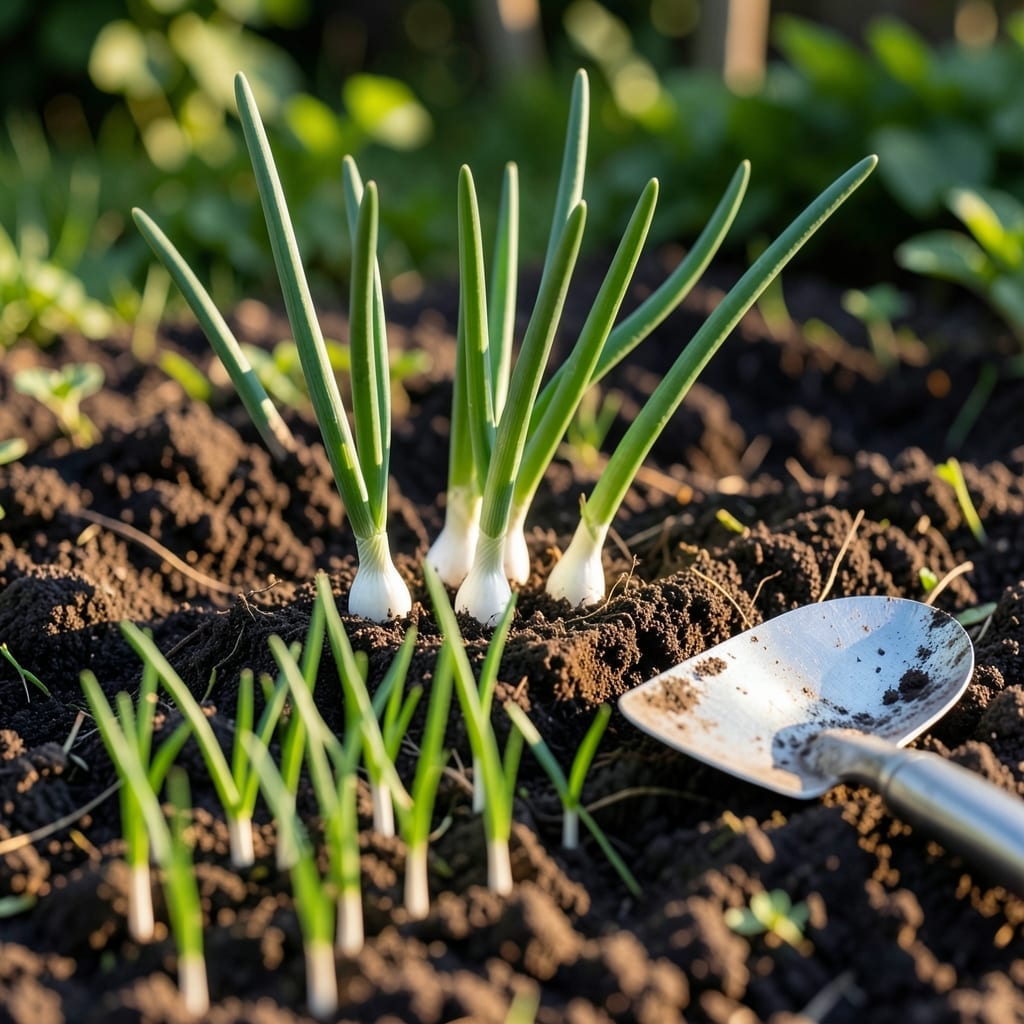
Timing is everything when growing Spring Onion 🧅 in Pennsylvania. Plant too early, and frost could ruin your crop; too late, and you’ll miss that perfect mild flavor we all love.
PA’s climate in zone 6a offers a narrow window for success. Getting it right means understanding when your soil is ready and when the last frost has passed.
I’ve learned through trial and error that March – April is the sweet spot for planting. This timing sets you up for a harvest from May – July, just as the weather warms.
Let me walk you through the exact steps to nail your planting schedule. With the right approach, you’ll be enjoying fresh Spring Onion from your garden all season long.
Pennsylvania’s diverse hardiness zones (5-7) mean spring onion planting times vary. In Zone 5 (northern PA), wait until late April after the last frost. Zone 6 (central PA) can start mid-April, while Zone 7 (southern PA) may plant as early as late March. 🌱
For fall planting, aim for late July to early August across most of PA. This gives onions time to mature before the first frost in October. Soil temperature should be 40-50°F for best germination in both seasons. 🌿
| Region | Zone | Spring Planting | Fall Planting |
|---|---|---|---|
| Northern PA | 5 | Late April | Early August |
| Central PA | 6 | Mid-April | Late July |
| Southern PA | 7 | Late March | Mid-July |
I always check the 10-day forecast before planting. A surprise late frost can damage young onions. If temperatures dip below 28°F, use row covers for protection. Spring onions are cold-hardy but not frost-proof. 🌡️
For early starts, sow seeds indoors 6-8 weeks before transplanting. This works well in Zone 5 where springs are shorter. Use seedling trays with well-draining soil and keep them in a sunny window. ☀️
Soil temperature is critical for germination. Use a soil thermometer to check. If it’s below 40°F, seeds may rot. In Zone 7, I’ve had success planting Stuttgart and White Lisbon varieties in late March. 🪴
For fall harvests, choose fast-maturing varieties like Evergreen Hardy White. These can go from seed to harvest in 60 days. Plant in fertile, loose soil to encourage quick growth before winter. 🌱
In urban areas like Philadelphia (Zone 7), the heat island effect may allow for earlier planting. But watch for unseasonal cold snaps. I keep frost blankets handy just in case. 🌿
Remember, spring onions prefer full sun but tolerate partial shade. In hotter PA summers, afternoon shade can prevent bolting. Space seeds 1 inch apart in rows 12 inches apart for best results. ✂️
If you’re in Zone 6 like Pittsburgh, mid-April is your sweet spot. The soil warms up enough by then, and you’ll avoid most frost risks. I’ve found raising beds helps warm the soil faster in spring. 💧
Pennsylvania’s clay-heavy soils can be tough on spring onions, but a little prep goes a long way. I always start with a soil test to check pH—6.0 to 7.0 is ideal for these plants. If your soil is too acidic, add lime to balance it. 🌱
Next, work in 2-3 inches of compost or well-rotted manure to improve drainage and fertility. Spring onions hate waterlogged roots, so this step is non-negotiable in PA’s often wet springs. 🌿
For areas with poor drainage, I recommend raised beds. They warm up faster in spring and prevent root rot. Fill them with a mix of topsoil, compost, and perlite for the best results. ☀️
If your soil is sandy, like in parts of southern PA, mix in peat moss or coconut coir to help retain moisture. Spring onions need consistent moisture but not soggy conditions. Drip irrigation works great here. 💧
I always avoid fresh manure—it can burn young plants. Stick to aged compost or commercial organic fertilizer. A balanced 10-10-10 works well at planting time. Work it into the top 6 inches of soil. 🪴
Finally, smooth the bed and remove any debris before planting. This ensures good seed-to-soil contact. In PA, I’ve found that early morning planting reduces stress on seedlings. ✂️