
Beautiful Plants For Your Interior
Beautiful Plants For Your Interior
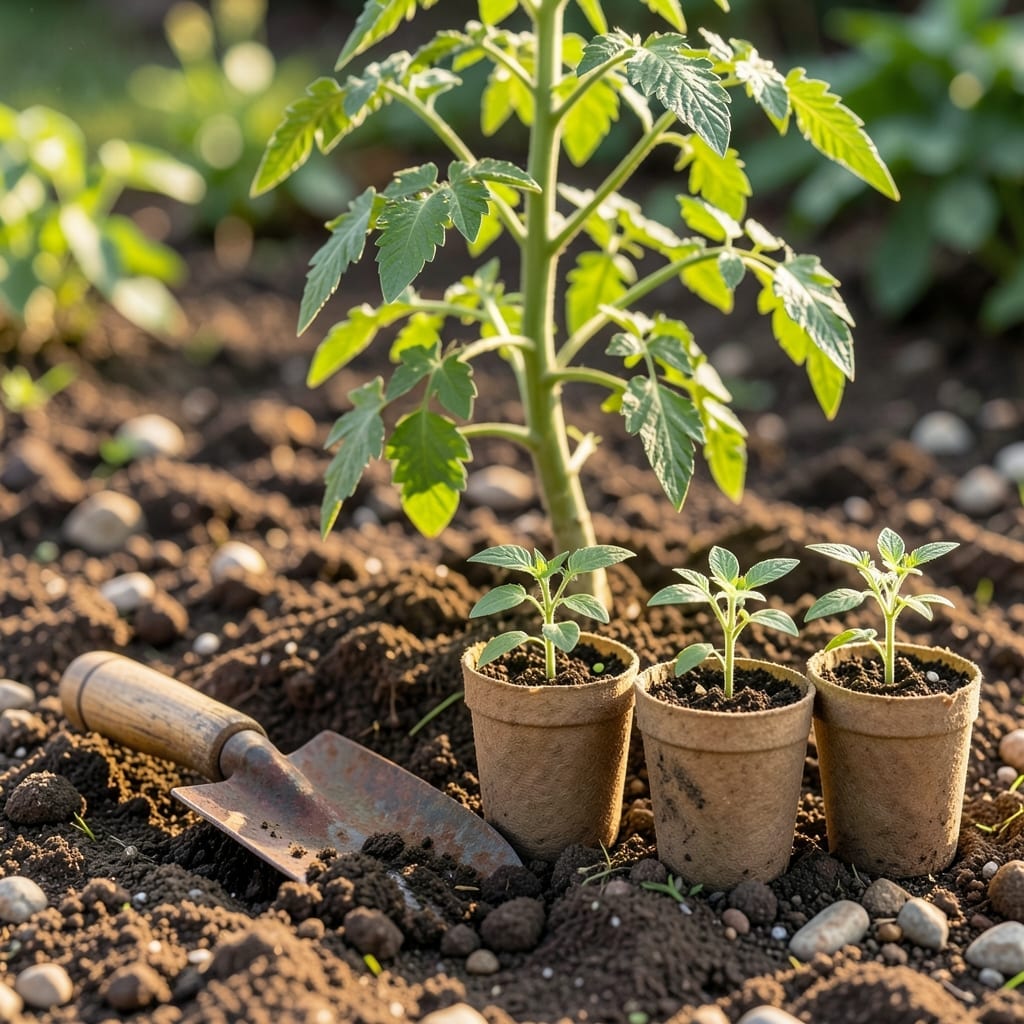
Timing is everything when planting a Spring Garden in Texas, where diverse climates mean planting dates can vary by weeks—or even months—across the state.
Get it right, and you’ll enjoy a bountiful harvest of tomatoes, peppers, and greens just as the warm season kicks in. But plant too early or too late, and you risk losing your crops to frost or heat.
I’ve spent years fine-tuning the perfect planting schedule for Texas gardeners, and I’m here to share the most important insights. Whether you’re in the Panhandle or the Gulf Coast, timing makes all the difference.
Discover how to align your planting with Texas’ unique zones 8a-9b for a thriving Spring Garden this year.
Texas spans multiple USDA zones, from 7a in the Panhandle to 10b along the Gulf Coast, so your spring planting schedule depends on where you live. In North Texas, I wait until mid-March after the last frost to plant warm-season crops. 🌱
The Central Texas region, including Austin and San Antonio, has a longer growing season. Here, I start cool-season crops like lettuce and spinach in early February, then transition to tomatoes and peppers by late February. ☀️
| Region | Last Frost Date | Cool-Season Start | Warm-Season Start |
|---|---|---|---|
| North Texas | March 15 | Early March | Mid-April |
| Central Texas | February 15 | Early February | Late February |
| Gulf Coast | January 30 | December | Early February |
| Panhandle | April 15 | Late March | Early May |
In the Gulf Coast, I can plant year-round thanks to the mild winters. I start cool-season crops as early as December and move to warm-season crops by early February. 🌿
The Panhandle has the shortest growing season. I wait until late March for cool-season crops and early May for warm-season ones, after the last frost passes. This delay ensures my plants won’t be damaged by a late freeze.
Soil temperature is just as important as air temperature. I use a soil thermometer to check that it’s at least 60°F before planting warm-season crops like tomatoes and peppers. This small step prevents stunted growth.
For cool-season crops like lettuce and broccoli, I aim for soil temps between 40°F and 50°F. Planting in cooler soil helps these crops thrive before the Texas heat sets in.
I always harden off my seedlings before transplanting. This means gradually exposing them to outdoor conditions over 7 to 10 days. It reduces transplant shock and helps my plants establish faster. ✂️
Microclimates can change planting dates even within the same region. I’ve noticed that urban areas tend to be warmer, while low-lying spots can be cooler. I adjust my planting schedule based on my garden’s specific conditions.
Finally, I keep an eye on the weather forecast. Texas springs can be unpredictable, with late frosts or sudden heatwaves. Being flexible and ready to cover plants or delay planting can save my garden from disaster.
Texas gardeners have a fantastic selection of heat-tolerant vegetables perfect for spring planting. I always recommend starting with tomatoes and peppers, as they thrive in our warm climate and produce abundantly.
For leafy greens, lettuce and spinach do well when planted early before the Texas heat sets in. These cool-season crops can bolt quickly, so timing is crucial for a good harvest.
I’ve found that bush beans are particularly forgiving for beginners, as they don’t require support and produce consistently. Zucchini is another favorite—just be prepared for its rapid growth and abundant harvest.
For those in southern Texas, you can start these crops as early as February, while northern gardeners should wait until March or April when the soil has warmed sufficiently.
Finally,