
Beautiful Plants For Your Interior
Beautiful Plants For Your Interior
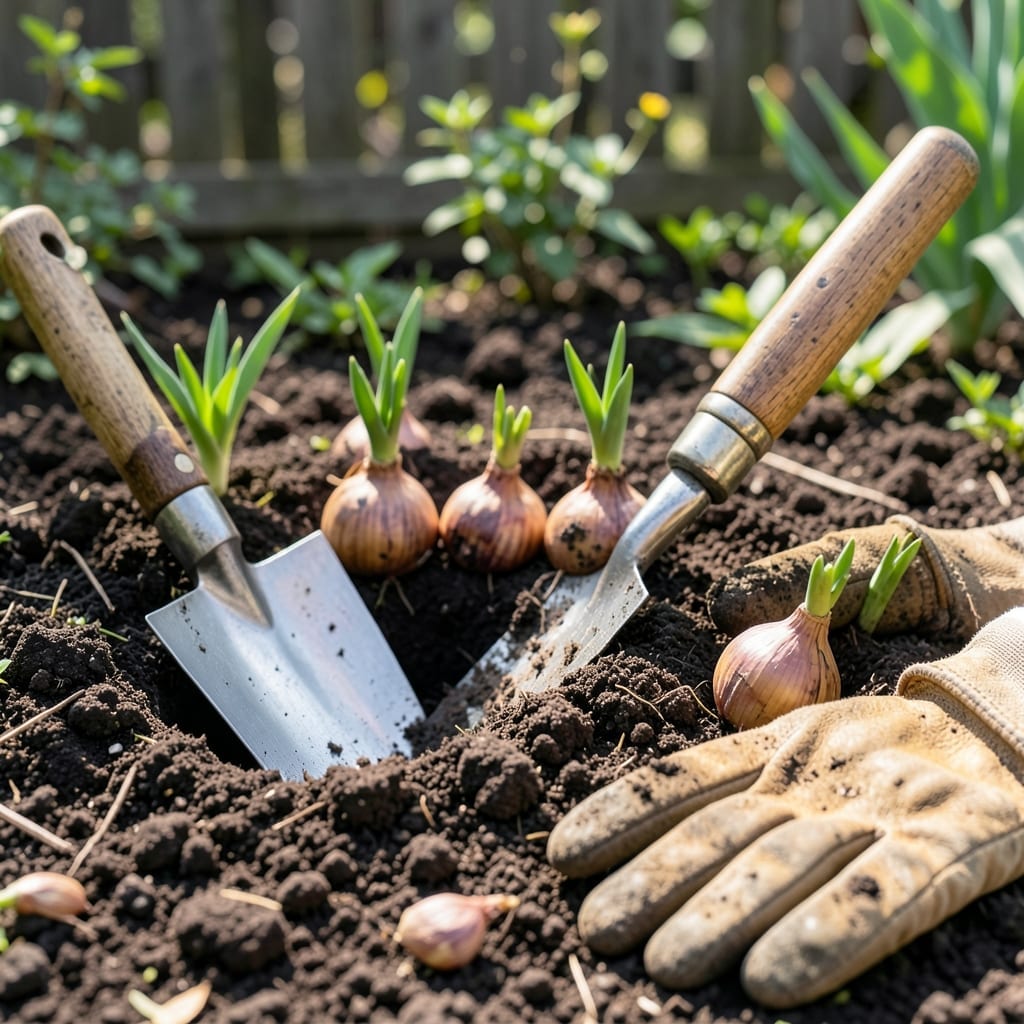
Timing is everything when it comes to planting Spring Bulbs 🌷 in the UK. Plant too early or too late, and you risk disappointing blooms—or worse, no flowers at all.
I learned this the hard way my first season. Now, after years of trial and error, I know exactly when to get those bulbs in the ground for the best results.
Whether you’re in England, Scotland, or Wales, the window is narrower than you think. September to November is your sweet spot, but regional climate tweaks matter.
Let me walk you through the optimal months and what to watch for. Your garden will thank you come springtime.
Getting the timing right for spring bulbs in the UK can make or break your garden’s display. I’ve found that September through November is the golden window, but the exact timing varies by bulb type and region.
In milder areas like southern England, you can start planting as early as late August. Cooler regions like Scotland or Northern Ireland benefit from waiting until October to avoid early frosts.
| Bulb Type | Ideal Planting Months | Regional Notes |
|---|---|---|
| Tulips | October-November | Plant 6 weeks before frost in all regions |
| Daffodils | September-October | Earlier in warmer areas, later in cooler climates |
| Crocuses | September-October | Perfect for naturalizing in lawns |
| Hyacinths | October | Needs well-drained soil to prevent rot |
For tulips, I always aim for October planting. This gives them enough time to establish roots before winter, but not so long that they sprout prematurely during a warm spell.
Daffodils are more forgiving and can go in as early as September in southern areas. In Scotland, I’d wait until mid-October to be safe from early frosts.
Crocuses are the earliest bloomers, so they need to go in by late September in most regions. I love planting them in grass areas for a naturalized look that pops up through the lawn in spring.
If you’re in Wales or the northwest, your climate is often milder but wetter. Make sure your soil drainage is excellent, especially for bulbs like hyacinths that hate soggy conditions.
Remember, the key is to get bulbs in the ground before the first hard frost. In most UK regions, this means having all your planting done by late November at the absolute latest.
I’ve also found that soil temperature matters more than air temperature. Aim to plant when your soil is below 60°F (15°C). This usually aligns with those September-November timeframes.
Finally, don’t forget that container-grown bulbs can be planted a bit later, as they’re more protected from temperature swings. Just 🌷
Even experienced gardeners make errors with spring bulbs. I’ve seen planting depth mistakes ruin entire beds. Too shallow means frost damage; too deep and bulbs rot before sprouting.
Another common issue is poor soil drainage. Bulbs hate soggy feet, so amend heavy clay with grit or compost before planting.
⚠️ Watch Out!
Storing bulbs in damp conditions invites mold. Keep them cool and dry until planting day. Also, avoid overcrowding—space bulbs 2-3 times their width apart for best results.
I once planted tulips in waterlogged soil and lost half to rot. Now I always test drainage first by digging a hole and filling it with water.
Another pitfall: ignoring sunlight needs. Most spring bulbs need full sun to thrive. If your garden is shady, stick with snowdrops or bluebell bulbs.
Fertilizing at the wrong time can also backfire. Skip high-nitrogen feeds in fall—opt for bone meal or bulb fertilizer instead.
Finally, resist the urge to cut back foliage too soon. Let leaves yellow naturally to feed next year’s blooms. Patience pays off with bigger, brighter flowers.
Trust me, avoiding these mistakes will save you time and heartache come spring 🌷