
Beautiful Plants For Your Interior
Beautiful Plants For Your Interior
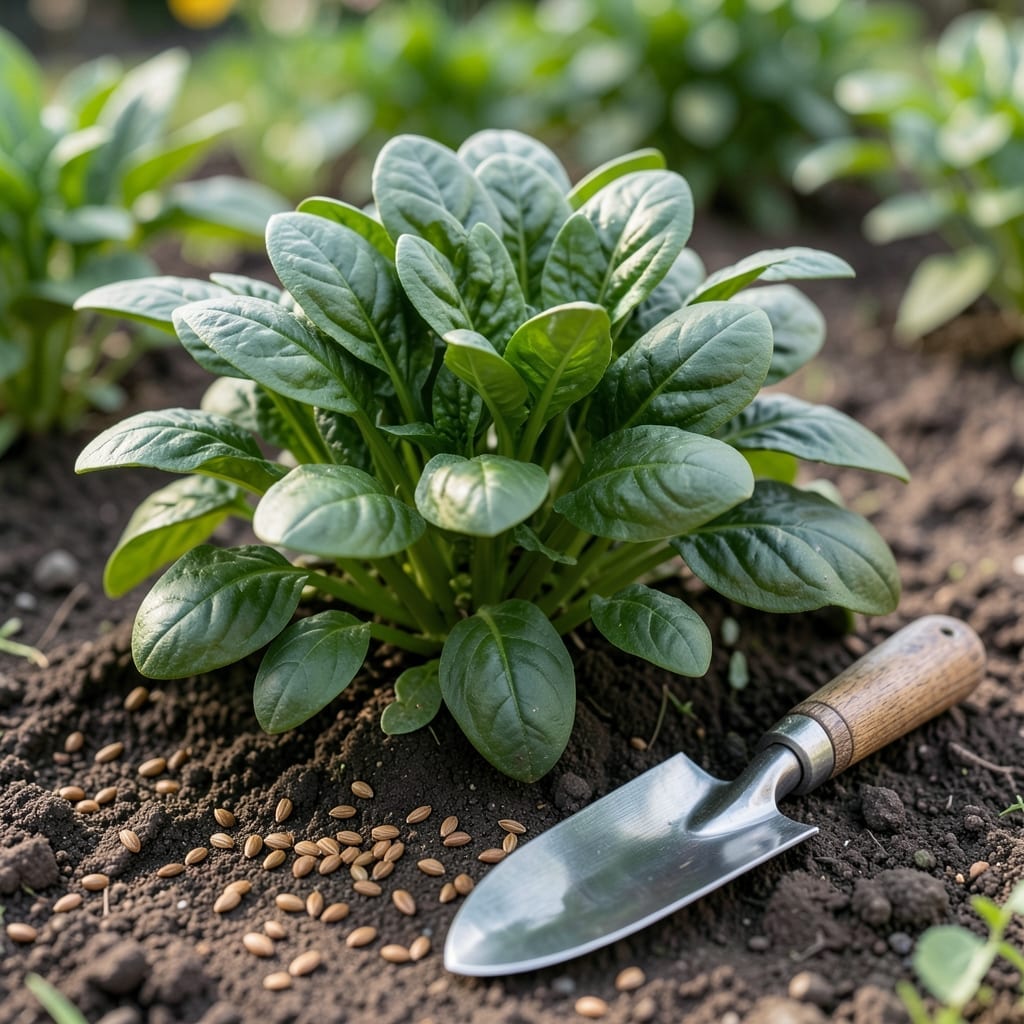
Timing is everything when growing Spinach 🥬 in Wisconsin’s unpredictable climate. Plant too early or too late, and you risk poor germination or bolted crops that never reach their potential.
As someone who’s learned the hard way, I can tell you that Wisconsin’s 4b-5a zones demand precision. The difference between a thriving harvest and a disappointing one often comes down to just a few weeks.
Whether you’re a seasoned gardener or just starting out, understanding these windows can transform your results. The good news? It’s simpler than you might think once you know the patterns.
Discover the exact timing that works for our unique climate, and watch your Spinach flourish like never before. Let’s get started.
Wisconsin gardeners know timing is everything for cool-season crops like spinach. The state spans USDA zones 4-5, where spring’s last frost typically hits by May 15. This means your first planting window starts 4-6 weeks before that date.
For fall harvests, I plant 6-8 weeks before the first frost (around October 15). Spinach thrives in cool soil, so avoid summer heat which causes bolting.
| Zone | Spring Planting | Fall Planting | Soil Temp |
|---|---|---|---|
| 4b | March 20-April 10 | August 1-20 | 40-50°F |
| 5a | March 10-April 1 | August 10-30 | 40-50°F |
In Zone 4b (northern Wisconsin), I wait until late March for spring planting. The soil needs to reach at least 40°F for seeds to germinate properly. A soil thermometer is my go-to tool for accuracy.
For Zone 5a (southern areas), I start seeds as early as March 10. But remember, spinach can survive light frosts, so don’t fear those late winter chills.
Fall planting in Zone 4b begins in early August. The goal is mature plants before hard frosts arrive. I use row covers to extend the season by a few precious weeks.
In Zone 5a, August 10-30 works perfectly for fall crops. I’ve found Bloomsdale Long Standing and Tyee varieties particularly cold-hardy for Wisconsin’s conditions.
For both zones, I direct sow seeds about ½ inch deep in well-draining soil. Spinach hates waterlogged roots, so I amend heavy clay with compost every spring.
I space seeds 1-2 inches apart in rows 12-18 inches apart. Thinning to 4-6 inches between plants prevents overcrowding and promotes healthy growth.
Remember, spinach bolts quickly in heat. When temps exceed 75°F, I switch to shade cloth or plant in partial shade to slow bolting and extend my harvest window.
🌱
Wisconsin’s short growing seasons don’t have to limit your spinach harvest. With a few smart strategies, I’ve managed to enjoy fresh leaves from early spring through late fall. The key is working with, not against, our climate’s quirks.
One of my favorite tricks is succession planting. By sowing new seeds every 2-3 weeks, I ensure a continuous supply. This works especially well in spring and late summer when temperatures are mild.
Row covers are a game-changer. I drape lightweight fabric over my beds in early spring to trap heat and block wind. This lets me plant 2-3 weeks earlier than usual while protecting tender seedlings.
For fall crops, timing is everything. I start seeds in mid-August so plants mature before the first frost. Cold-hardy varieties like ‘Bloomsdale’ can survive light frosts, extending my harvest well into November.
Don’t forget about soil temperature. Spinach germinates best at 50-70°F. In Wisconsin, that means waiting until soil warms slightly in spring or cooling in late summer. A simple soil thermometer takes the guesswork out.
Finally, container gardening offers flexibility. I keep pots of spinach on my patio, moving them to shadier spots during heatwaves. This prevents bolting and keeps leaves tender longer.
With these techniques, I’ve turned Wisconsin’s challenges into opportunities for a longer, more productive spinach season 🌱