
Beautiful Plants For Your Interior
Beautiful Plants For Your Interior
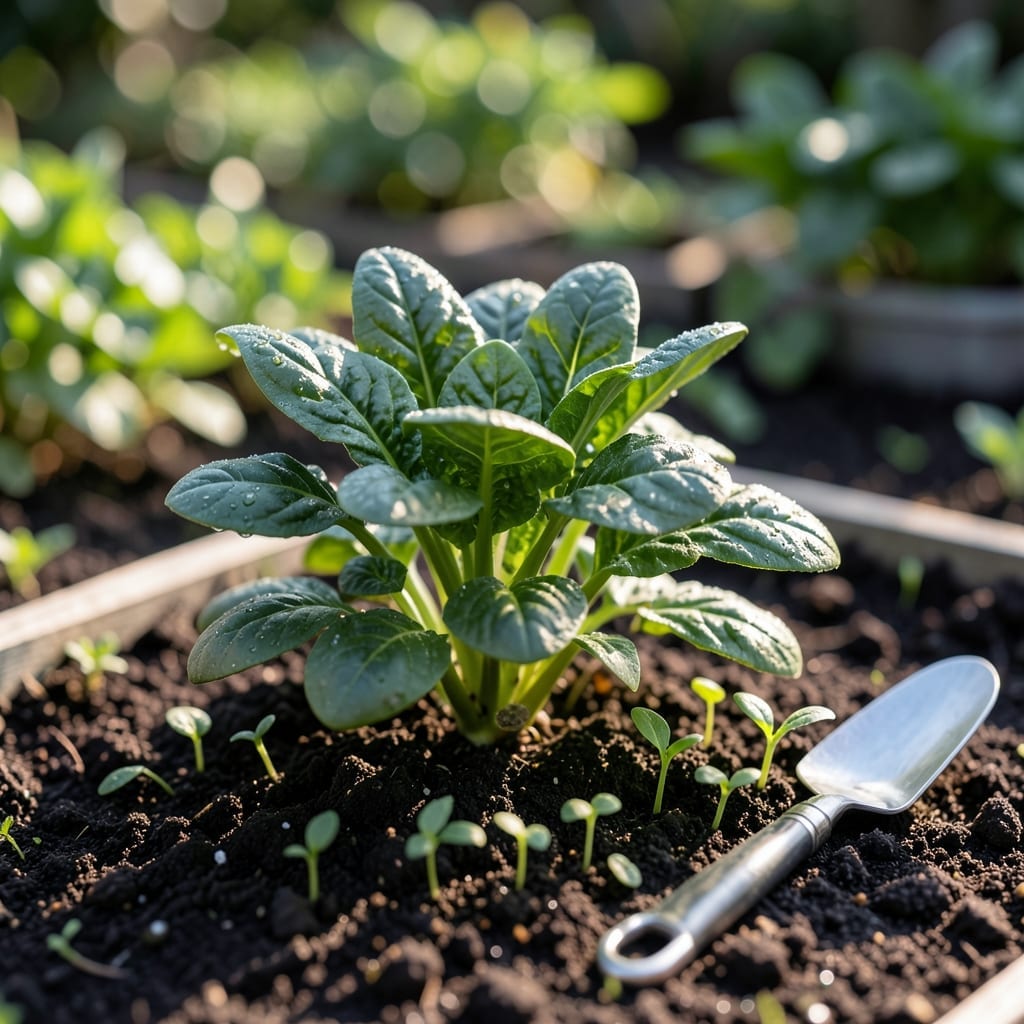
Timing is everything when growing 🥬 Spinach in North Carolina. Plant at the wrong moment, and you might end up with bolted leaves or stunted growth.
Our state’s unique climate in zones 7b-8a offers two prime windows for this cool-weather crop. Whether you’re a seasoned gardener or just starting out, nailing the timing means the difference between a meager harvest and a bumper crop.
I’ll walk you through the best planting times for both spring and fall, so you can enjoy fresh Spinach from April to May or October to November. No guesswork, just proven strategies.
Discover how to work with North Carolina’s seasons to grow Spinach that thrives, not just survives. Let’s get your garden on the right track.
North Carolina’s diverse climate gives gardeners a unique advantage with spinach. The Coastal Plains, Piedmont, and Mountain regions each have slightly different planting windows, but all thrive with cool-season crops like spinach.
For most of the state, early spring and late summer are ideal. I’ve found that planting 4-6 weeks before the last frost—around mid-April—works perfectly for spring harvests, while August sowings yield a bountiful fall crop.
| Region | Spring Planting | Fall Planting | Key Notes |
|---|---|---|---|
| Coastal Plains | Feb – March | Aug – Sept | Milder winters, earlier starts |
| Piedmont | March – April | Aug – Sept | Watch for late frosts |
| Mountains | April – May | July – Aug | Cooler climate, shorter window |
The Coastal Plains region can start as early as February, thanks to its milder winters. I’ve had success with cold-hardy varieties like Bloomsdale Long Standing in these areas, as they tolerate light frosts.
In the Piedmont, where I do most of my gardening, March to early April is prime time. The soil is workable, and the cool temperatures prevent premature bolting. Always check your local frost dates to fine-tune timing.
The Mountain region is trickier due to its higher elevation. Here, spinach thrives when planted in late April or May for spring and July to August for fall. The cooler summers extend the growing season naturally.
Fall planting is my favorite for spinach in North Carolina. Sow seeds in late August to early September, and you’ll harvest fresh greens well into October or November. The cooler fall temperatures enhance leaf sweetness.
For winter harvests in the Coastal Plains, try planting in September to October. Use row covers to protect plants from occasional cold snaps. I’ve harvested spinach as late as December with this method.
Remember, spinach bolts in heat, so avoid planting during summer months. If you miss the spring window, focus on fall. The soil temperature should be between 40°F and 75°F for best germination.
Finally, succession planting every 2-3 weeks in early spring or late summer ensures a continuous supply. This technique works wonderfully in North Carolina’s moderate climate, giving you fresh spinach for months.
With the right timing, you’ll enjoy tender, sweet leaves that are perfect for salads and smoothies straight from your garden 🌱
I’ve found that succession planting is the secret to multiple spinach harvests in North Carolina. By staggering plantings every 2-3 weeks, you can enjoy fresh greens from early spring through late fall.
For fall crops, start sowing in late August and continue through early September. This timing allows plants to mature before the first frost, which typically hits around October 15 in most of the state.
I always mulch heavily around my spinach plants to retain soil moisture and moderate temperature swings. This simple step can make a big difference in plant resilience.
Another trick I swear by is shade cloth during unseasonably warm spells. Spinach bolts quickly in heat, so providing 30-40% shade can buy you extra weeks of harvest time.
Don’t forget to harvest outer leaves first rather than pulling entire plants. This encourages continued growth and lets you enjoy fresh spinach for weeks longer than a single harvest would allow.
With these techniques, I’ve managed to harvest spinach from the same planting for 6-8 weeks instead of the typical 4-5 weeks. It’s all about working with North Carolina’s climate rather than against it. 🌿