
Beautiful Plants For Your Interior
Beautiful Plants For Your Interior
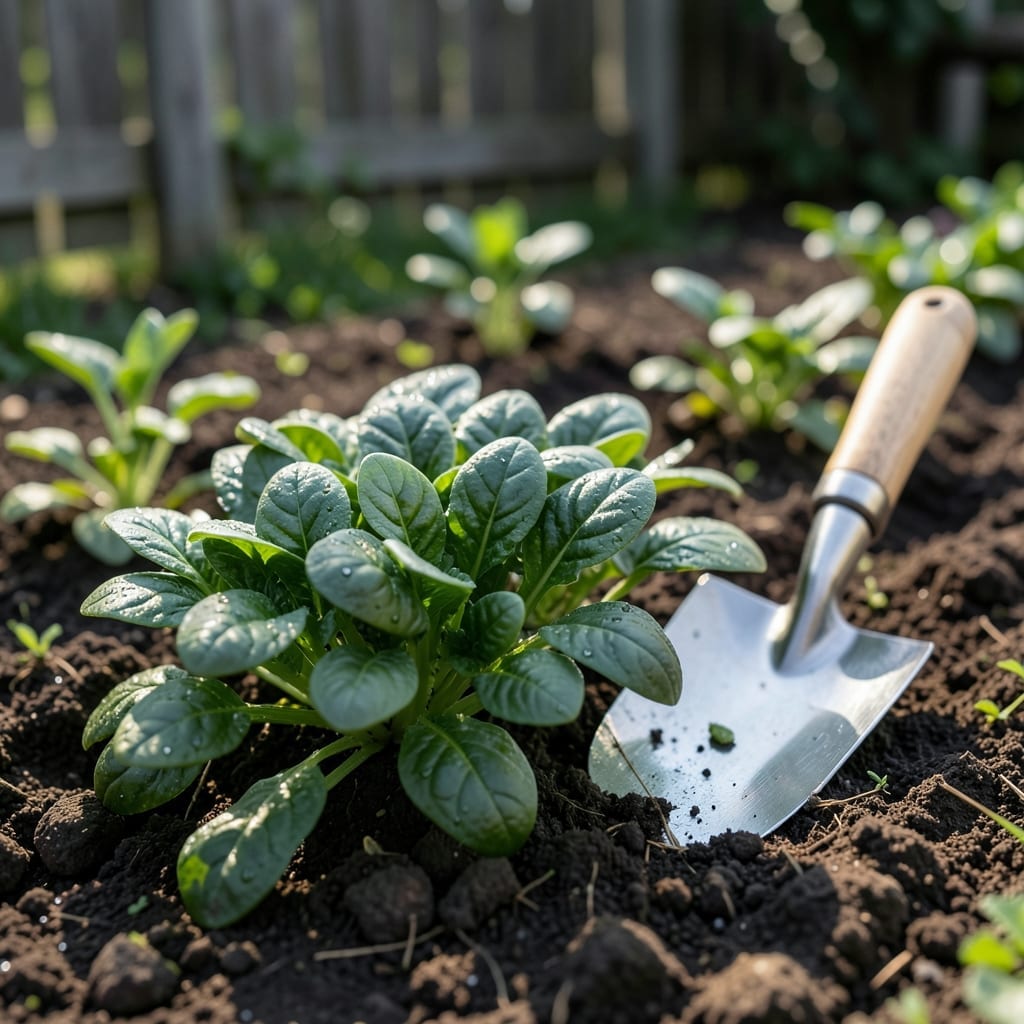
Timing is everything when it comes to planting 🌱 Spinach in Maine’s short growing season. Plant too early or too late, and you’ll miss out on this cool-weather crop’s peak harvest window.
With Maine’s Zone 3b-5b climate, you’ve got two prime windows to get it right. The secret lies in understanding our frost dates and soil temperature sweet spots.
I’ve spent seasons testing the best timing for both spring and fall plantings. Whether you’re a new gardener or a seasoned pro, these insights will help you maximize your yield.
Let me walk you through exactly when to plant and how to make the most of Maine’s unique growing conditions. The difference in your harvest will surprise you.
Maine’s short growing season means precise timing is key for spinach success. In Zone 5, spring planting should start 4-6 weeks before the last frost, typically mid-March to early April. 🌱
For fall harvests, sow seeds 6-8 weeks before the first frost, around mid-August to early September. Spinach thrives in cool soil between 40-60°F. 🌿
| Planting Window | Key Details |
|---|---|
| Spring | Sow 4-6 weeks before last frost (May 15) |
| Fall | Sow 6-8 weeks before first frost (Oct 1) |
| Soil Temp | 40-60°F ideal for germination |
| Depth | ½ inch deep, rows 12-18 inches apart |
I always check soil temperature with a thermometer before planting. Spinach seeds won’t germinate well in cold, soggy soil, so aim for consistent 45°F+ readings. ☀️
For succession planting, I sow new seeds every 2-3 weeks until early May. This ensures a continuous harvest before summer heat causes bolting. 🪴
In fall, use row covers to protect young plants from early frosts. Spinach can tolerate light freezes, but covers extend the season by 2-3 weeks. ❄️
Maine’s humid summers make bolt-resistant varieties like ‘Bloomsdale Long Standing’ or ‘Tyee’ ideal. These handle temperature swings better than standard types. 🌱
I’ve found morning watering works best to prevent fungal diseases. Use drip irrigation if possible to keep foliage dry and reduce disease risk. ✂️
For best results, amend soil with compost before planting. Spinach prefers fertile, well-draining soil with a pH of 6.5-7.0. This boosts growth and flavor. 🌿
Maine’s cool climate offers two distinct spinach planting windows, each with unique benefits and challenges. Spring planting gives you an early harvest but requires vigilance against bolting as temperatures rise. 🌱
Fall planting often produces sweeter, more tender leaves with fewer pest issues, but timing is critical to avoid early frosts. I’ve tested both approaches extensively in my Zone 5 garden. 🌿
| Aspect | Spring Planting | Fall Planting |
|---|---|---|
| Harvest Time | May-June | Oct-Nov |
| Flavor | Mild, earthy | Sweeter |
| Pest Pressure | Moderate flea beetles | Lower |
| Bolting Risk | High in heat | Low |
In spring, I start seeds indoors in February for a head start, then transplant when soil reaches 45°F. This method helps avoid late frost damage to tender seedlings. ☀️
For fall crops, direct sowing works best. I plant ‘Space Hybrid’ or ‘Giant Noble’ varieties in mid-August for a late October harvest. These types handle cool nights beautifully. 🪴
Spring spinach often needs row covers to protect from cold snaps, while fall plantings benefit from shade cloth if late summer heat lingers. I adjust my approach based on weekly weather forecasts. ✂️
I’ve noticed fall spinach tends to grow slower but steadier, while spring crops can bolt overnight if temperatures spike. Both seasons reward attention to soil moisture and consistent care. 🌿