
Beautiful Plants For Your Interior
Beautiful Plants For Your Interior
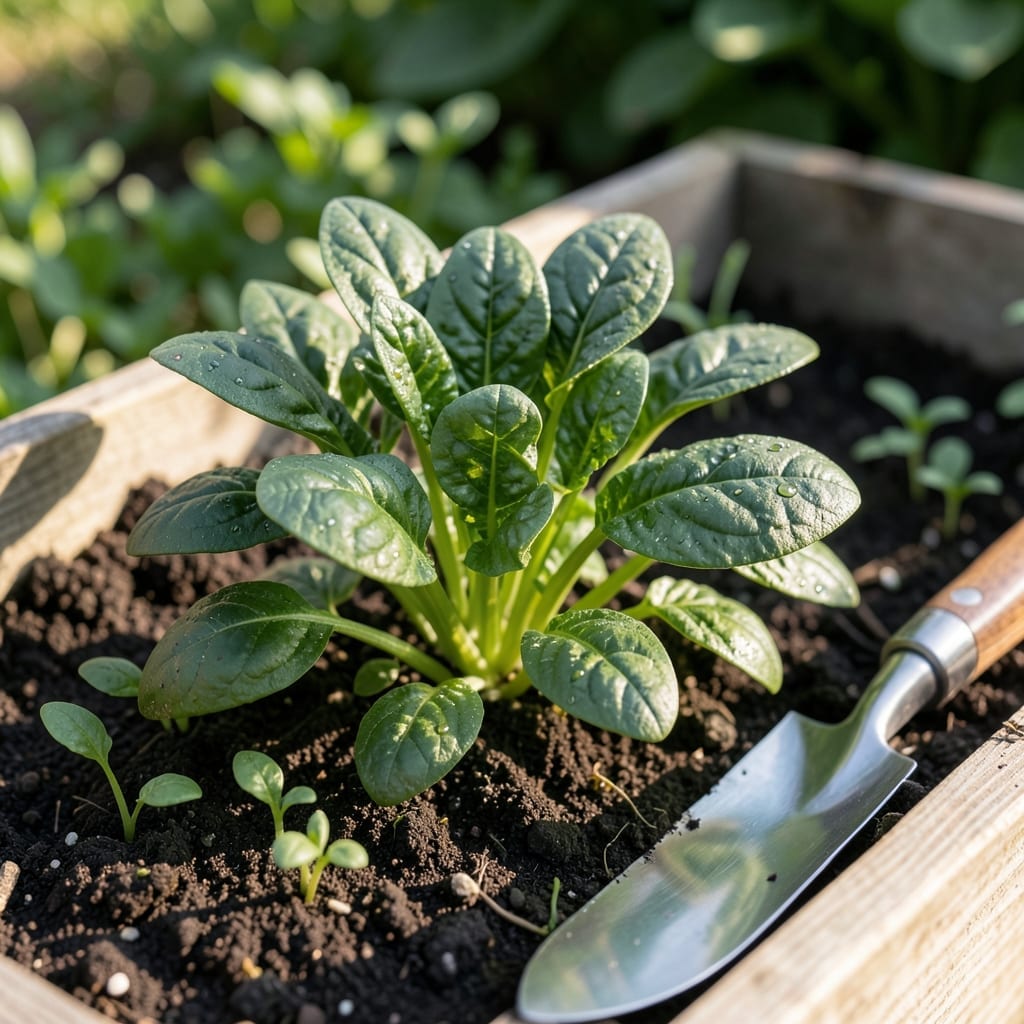
Timing is everything when it comes to growing 🥬 Spinach in Kentucky. This cool-season crop thrives in mild temperatures, but plant at the wrong time and you’ll face poor germination or early bolting.
In our 6b climate, spring and fall offer the most reliable windows for success. The key is working with Kentucky’s frost dates rather than against them.
I’ve found that planting 4-6 weeks before the last spring frost or 6-8 weeks before the first fall frost gives Spinach the perfect start. These windows avoid both extreme cold and summer heat.
Let me show you exactly how to time your planting for bountiful harvests. The difference between a thriving Spinach crop and a struggling one often comes down to just a few weeks.
As a cool-season crop, spinach thrives in Kentucky’s mild springs and falls. The key is timing your planting to avoid heat stress or hard frosts, which can stunt growth or cause bolting.
Kentucky spans USDA zones 6-7, so last frost typically hits around April 15, while the first frost arrives near October 15. This gives you two prime windows for planting.
| Season | Planting Time | Soil Temp | Harvest Window |
| Early Spring | 4-6 weeks before last frost | 40-75°F | May-June |
| Late Summer | 6-8 weeks before first frost | 40-75°F | October-November |
For spring planting, I aim to sow spinach seeds in early March to mid-April. This timing ensures the soil is workable and cool enough for optimal germination.
In fall, I start planting from mid-August to early September. This allows the spinach plants to mature before the first hard frost hits, giving me a second harvest before winter.
Kentucky’s microclimates can vary, so I always check the local soil temperature. If it’s consistently above 75°F, I hold off on planting to prevent premature bolting.
For best results, I prepare the garden bed with well-draining soil and a pH of 6.0-7.0. Adding compost before planting gives my spinach the nutrients it needs for healthy growth.
I’ve found that succession planting every 2-3 weeks during these windows extends my harvest. This way, I always have fresh spinach ready to pick.
If you’re in a warmer part of Kentucky, you might need to plant a bit earlier in spring or later in fall to avoid temperature extremes. Keep an eye on the weather forecast and adjust accordingly.
With the right timing and care, you’ll enjoy tender, homegrown spinach that’s perfect for fresh eating or preserving. 🌱
Getting a longer spinach season in Kentucky is all about smart timing and simple protections. Since this cool-season crop bolts in heat, I use several tricks to stretch my harvests well beyond the typical windows.
One of my favorite methods is succession planting. I sow new spinach seeds every 2-3 weeks during the planting windows to ensure a continuous supply of tender leaves.
For early spring, I often use cold frames or low tunnels to start my spinach 4-6 weeks earlier. These protect young plants from late frosts while warming the soil for faster growth.
In fall, I extend the season by planting in raised beds, which warm up faster than in-ground soil. I also use shade cloth if we get an unexpected heat wave in September.
I’ve had great success with bolt-resistant varieties like ‘Corvair’ and ‘Giant Noble’. These hold up better in Kentucky’s unpredictable weather and give me more time to harvest.
With these techniques, I regularly enjoy fresh spinach from early spring through late fall, sometimes even into early winter with proper protection. 🌿