
Beautiful Plants For Your Interior
Beautiful Plants For Your Interior
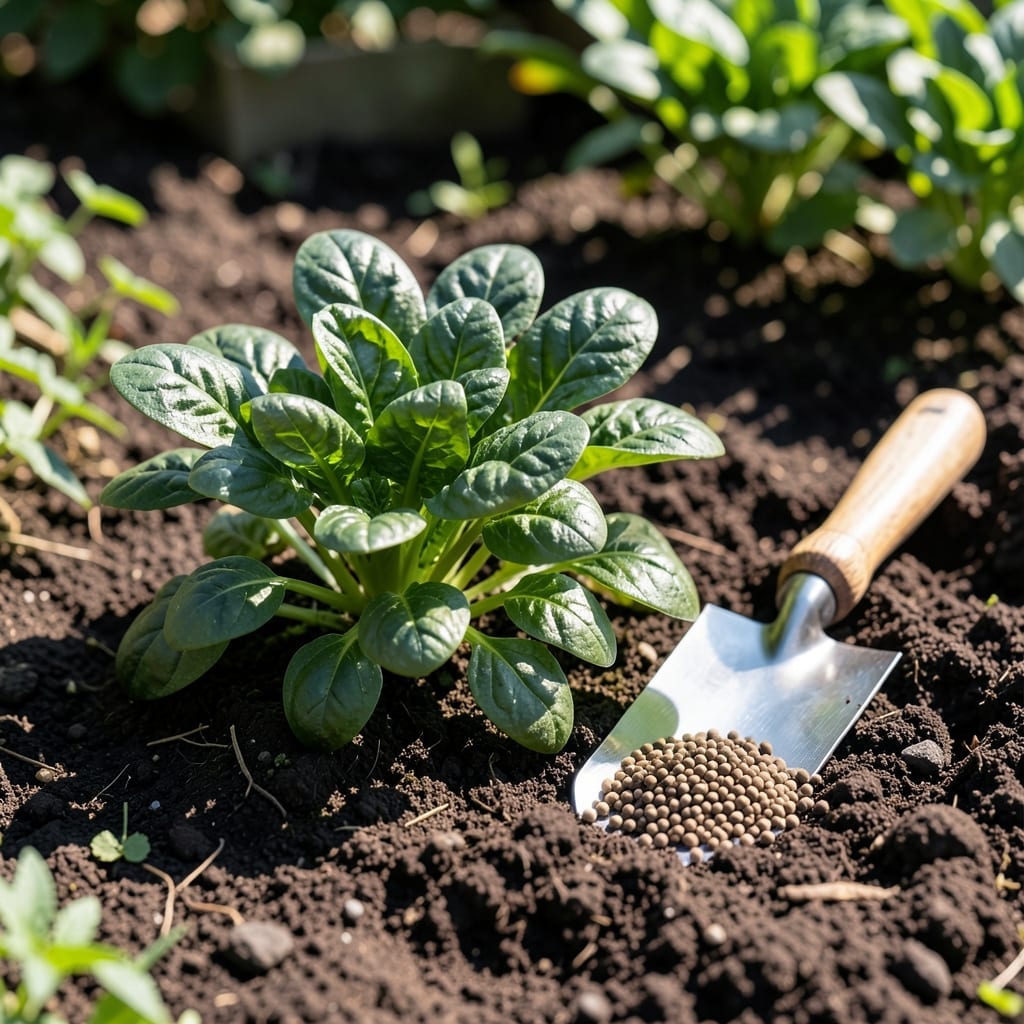
Timing is everything when growing Spinach 🥬 in Kansas. Plant too early or too late, and you risk losing your crop to frost or heat waves.
As someone who’s tested both spring and fall plantings, I’ve learned the exact windows that work best in zones 5b-6a. The difference between success and disappointment often comes down to just a few weeks.
What many gardeners don’t realize is that Kansas’ climate offers two distinct opportunities to grow this cool-weather crop. I’ll show you how to take advantage of both.
Discover the precise planting schedule that will give your Spinach the best chance to thrive, whether you’re planting in early spring or late summer.
Kansas gardeners in zones 5b-6a have two prime windows for planting spinach. The first arrives in early spring, about 4-6 weeks before your last frost date, which is typically around April 15 for most of the state.
For fall planting, aim for late August through early September. This timing allows your plants to mature before the first frost, usually around October 15. Spinach thrives in cool weather, making these windows ideal.
| Zone | Spring Planting | Fall Planting | Soil Temp |
|---|---|---|---|
| 5b | Mid-March to early April | Late August | 40-50°F |
| 6a | Late March to early April | Early September | 40-50°F |
Eastern Kansas tends to have slightly earlier planting dates than the western part of the state due to milder temperatures. Always check your local frost dates for precision.
Soil temperature is critical for spinach germination. Seeds need 40-50°F to sprout, but they’ll germinate faster at the higher end of this range. Use a soil thermometer to check conditions.
In Western Kansas, where temperature swings can be dramatic, consider starting seeds indoors 2-3 weeks before transplanting. This gives you more control over the germination environment.
Spinach is a cool-weather crop that bolts (goes to seed) quickly in hot weather. That’s why timing is so crucial. If you miss the spring window, don’t worry – the fall planting often yields sweeter, more tender leaves.
For microclimates, like urban areas or near bodies of water, you might find your planting windows shift by a week or two. Keep a gardening journal to track what works best in your specific location.
Remember that spinach varieties can have slightly different preferences. Bloomsdale does well in spring, while Tyee is a great choice for fall plantings due to its bolt resistance.
If you’re eager to get started, you can direct sow seeds as soon as the soil is workable in spring. Just be prepared to protect young plants if a late frost threatens ☀️
Both spring and fall planting offer unique advantages for Kansas gardeners. I’ve found spring plantings often produce larger yields but can be more susceptible to pest pressure as temperatures rise.
Fall plantings, on the other hand, typically yield sweeter, more tender leaves because the cooler temperatures slow down the plant’s metabolism, reducing bitterness.
| Aspect | Spring Planting | Fall Planting |
|---|---|---|
| Flavor | Mild, earthy | Sweeter |
| Pest Pressure | Higher | Lower |
| Heat Tolerance | Needs protection | More resistant |
| Recommended Variety | Bloomsdale | Tyee |
For spring planting, I recommend the Bloomsdale variety. It’s a classic that handles the temperature fluctuations of Kansas springs well and produces dark green, savoyed leaves.
When it comes to fall planting, Tyee spinach is my top choice. This variety has excellent bolt resistance, which is crucial as days shorten and temperatures drop.
One advantage of fall planting is that you can often direct sow seeds without worrying about hardening off seedlings. The cooler soil helps prevent the seeds from drying out.
Remember that fall spinach may grow more slowly due to shorter daylight hours. Start seeds 8-10 weeks before your first expected frost to ensure a good harvest before winter sets in 🌱