
Beautiful Plants For Your Interior
Beautiful Plants For Your Interior
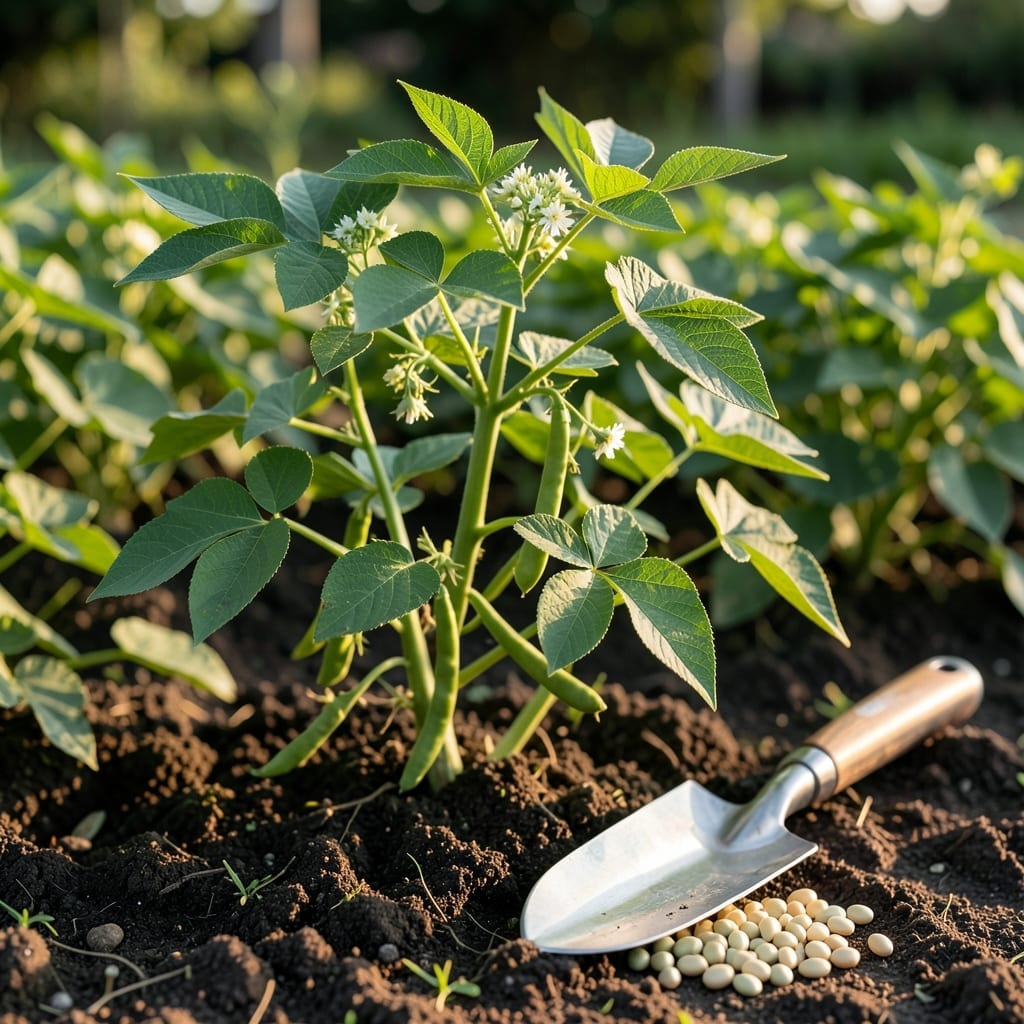
Timing your soybean planting in Ontario’s Zone 5b climate can make or break your harvest. Plant too early, and frost may devastate your crop; too late, and you risk stunted growth and lower yields.
The 🌱 Soybean thrives when soil temperatures reach at least 50°F (10°C), making May to June the sweet spot for planting in this region. But there’s more to it than just the calendar.
I’ll walk you through the critical factors that determine the perfect window, from frost dates to soil conditions. These insights will help you avoid common pitfalls that many growers face.
Discover how to time your planting for maximum yield, whether you’re a seasoned farmer or trying soybeans for the first time in your Ontario garden.
In Ontario’s Zone 5, the best time to plant soybeans is typically mid-May to early June. This window aligns with the region’s last frost date around May 15, ensuring soil and air temperatures are warm enough for germination.
Soybeans thrive when soil temperature reaches at least 10°C (50°F). Planting too early in cold soil can lead to poor germination and stunted growth. I always recommend using a soil thermometer to confirm conditions.
| Stage | Action | Timing |
|---|---|---|
| Soil Prep | Test pH (6.0-7.0) | Early May |
| Planting | Sow seeds 1-1.5 inches deep | Mid-May to early June |
| Germination | Requires 10°C+ soil | 7-14 days after planting |
| Harvest | Pods yellow/brown | September-October |
For early planting, watch the 10-day forecast to avoid late frosts. If a cold snap is predicted after planting, cover seedlings with row covers to protect them from damage.
Late planting, after mid-June, can still work but may result in shorter plants and lower yields. Varieties with shorter maturity dates (75-90 days) are ideal for Ontario’s 150-day growing season.
Regional variations matter too. Southern Ontario often warms faster, allowing earlier planting, while northern areas may need to wait until late May or early June for optimal conditions.
I’ve found that raised beds warm up faster in spring, giving you a head start. If you’re using conventional rows, ensure the soil is well-drained to prevent waterlogging, which soybeans hate.
For precision timing, check local agricultural weather stations or apps like WeatherCAN. These tools provide soil temperature data tailored to your exact location.
Finally, consider seed treatment if planting early. Treated seeds resist cold stress and disease pressure, giving your crop a stronger start in variable Ontario springs.
By focusing on soil temperature and frost dates, you’ll set your soybeans up for maximum yield and healthy growth all season long. 🌱
While mid-May to early June is the general window, several critical factors can shift your ideal planting date. I’ve seen soil moisture play a huge role—too wet, and seeds rot; too dry, and germination stalls.
Seed variety matters too. Short-season soybeans (75-90 days) are perfect for Ontario’s 150-day growing season, while full-season types need warmer climates. Always check your seed packet for maturity details.
Pest pressures like seedcorn maggots thrive in cool, wet conditions, so early planting in cold soil can attract them. If you’re planting early, consider treated seeds or natural predators like beneficial nematodes.
For organic growers, untreated seeds may require warmer soil to germinate effectively. I recommend waiting until soil hits 12°C (54°F) to avoid poor emergence in organic systems.
Regional microclimates can create surprises. Areas near Lake Erie or Lake Ontario may have cooler springs, delaying planting by a week or two. Use local weather data to fine-tune your timing.
Finally, soil pH impacts nutrient uptake. Soybeans prefer 6.0-7.0 pH. Test your soil in early spring and amend if needed before planting for optimal growth. 🌱