
Beautiful Plants For Your Interior
Beautiful Plants For Your Interior
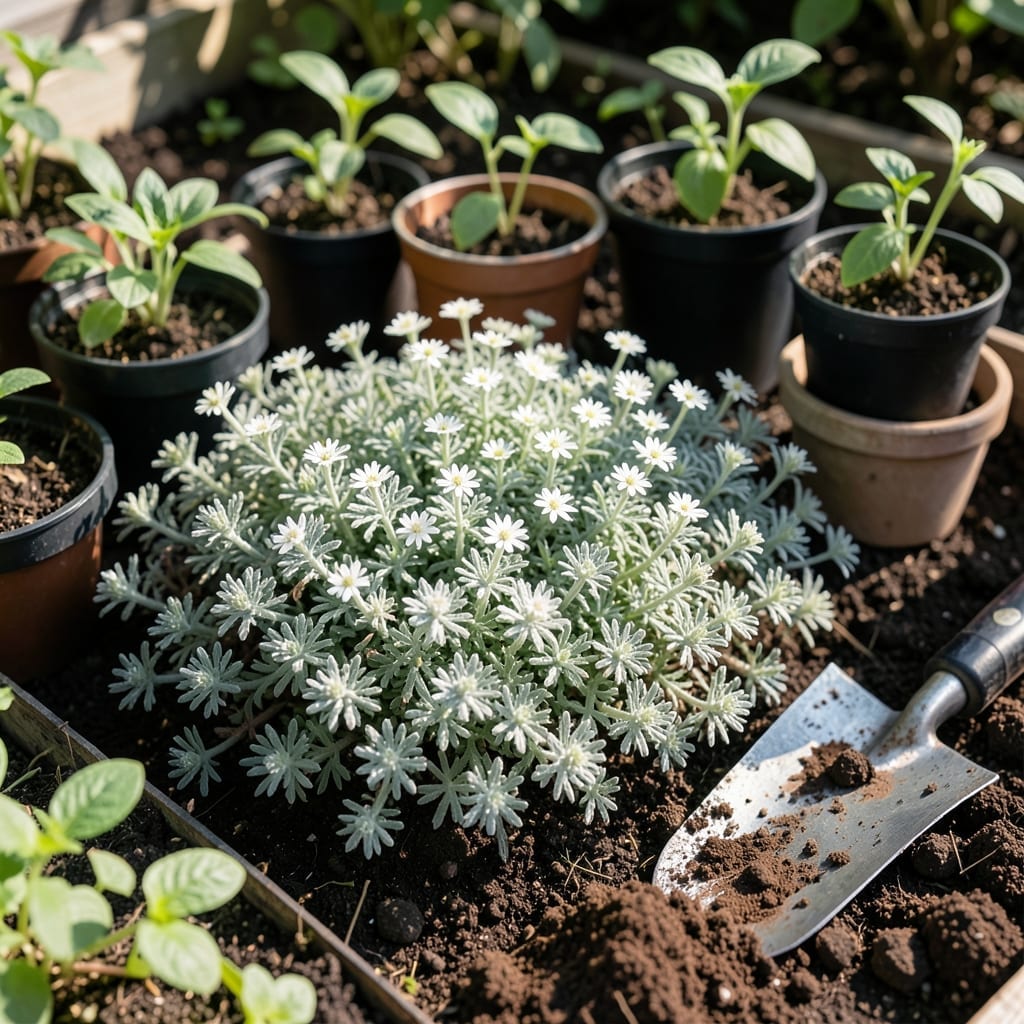
Timing is everything when it comes to growing Snow In Summer ❄️, and getting it right can transform your garden into a stunning silver carpet.
This hardy ground cover thrives in zones 4-9, but planting at the wrong time can leave you with lackluster results. Whether you’re a seasoned gardener or just starting out, knowing the ideal window is the key to success.
I’ve seen firsthand how planting in early spring or fall makes all the difference. These seasons give your Snow In Summer the perfect conditions to establish strong roots before summer’s heat or winter’s chill.
Discover the best times to plant and how to set your garden up for a breathtaking display. Let’s get started.
Timing your Snow in Summer planting is crucial for a thriving garden. This silver-leafed beauty, Cerastium tomentosum, needs the right start to establish itself before harsh conditions hit. I’ve found that early spring or early fall works best in most regions.☀️
In my experience, zones 4-9 offer the most flexibility. Planting in March through May lets roots develop before summer heat, while September to October gives them time to settle before winter. Avoid extreme temperatures for best results.🌱
| USDA Zone | Best Planting Time | Key Considerations |
|---|---|---|
| 4-5 | April-May or Sept-Oct | Avoid late fall plantings |
| 6-7 | March-April or Sept-Oct | Early spring preferred |
| 8-9 | Feb-March or Oct-Nov | Avoid summer heat |
For cooler zones 4-5, I recommend planting just after the last frost date. This timing prevents cold damage to young plants. In these areas, April through May gives the best window for establishment.🌿
Gardeners in zones 6-7 have more flexibility. I’ve had success planting in early spring or early fall. The mild temperatures in these zones allow for two planting opportunities each year. Just avoid the hottest summer months.
In warmer zones 8-9, timing becomes more critical. I’ve learned to plant in late winter or early fall to avoid the intense summer heat. February through March is ideal for spring planting, while October to November works well for fall.
Remember that microclimates can affect these general guidelines. If your garden has protected areas or special conditions, you might adjust the timing slightly. I always check my local weather patterns for the most accurate planting window.
For the best results, I suggest planting on a cloudy day or in the late afternoon. This reduces stress on the young plants and helps them establish more easily. Water thoroughly after planting to settle the soil around the roots.💧
If you’re in a region with very hot summers, consider providing some afternoon shade for newly planted Snow in Summer. This extra protection can make the difference between success and struggle during the first few weeks.✂️
Finally, I’ve found that consistent moisture is key during the first few weeks after planting. Keep the soil evenly moist but not waterlogged. Once established, Snow in Summer is quite drought-tolerant, making it a great choice for many gardens.
Planting Snow in Summer in warmer months requires careful soil preparation. I always start by ensuring the soil is well-draining and enriched with organic matter to support healthy root development.
The ideal soil temperature for these peas is between 60-75°F. If your soil is too cold, seeds may rot, and if too hot, they might struggle to germinate. I recommend using a soil thermometer to check.
Companion planting can boost your Snow in Summer peas. I’ve had great success pairing them with bush beans or carrots, which help deter pests naturally. Avoid planting near onions or garlic, as they can stunt growth.
Moisture management is critical. In summer, I water my peas early in the morning to reduce evaporation and prevent fungal diseases. Aim for 1 inch of water per week, adjusting for rainfall.
If your climate has intense summer heat, consider providing afternoon shade for young plants. I use shade cloth to protect them during peak sun hours until they’re established. ☀️
Finally, remember that consistent moisture is key during germination. I keep the soil evenly moist but not waterlogged to encourage strong, healthy sprouts. 🌱