
Beautiful Plants For Your Interior
Beautiful Plants For Your Interior
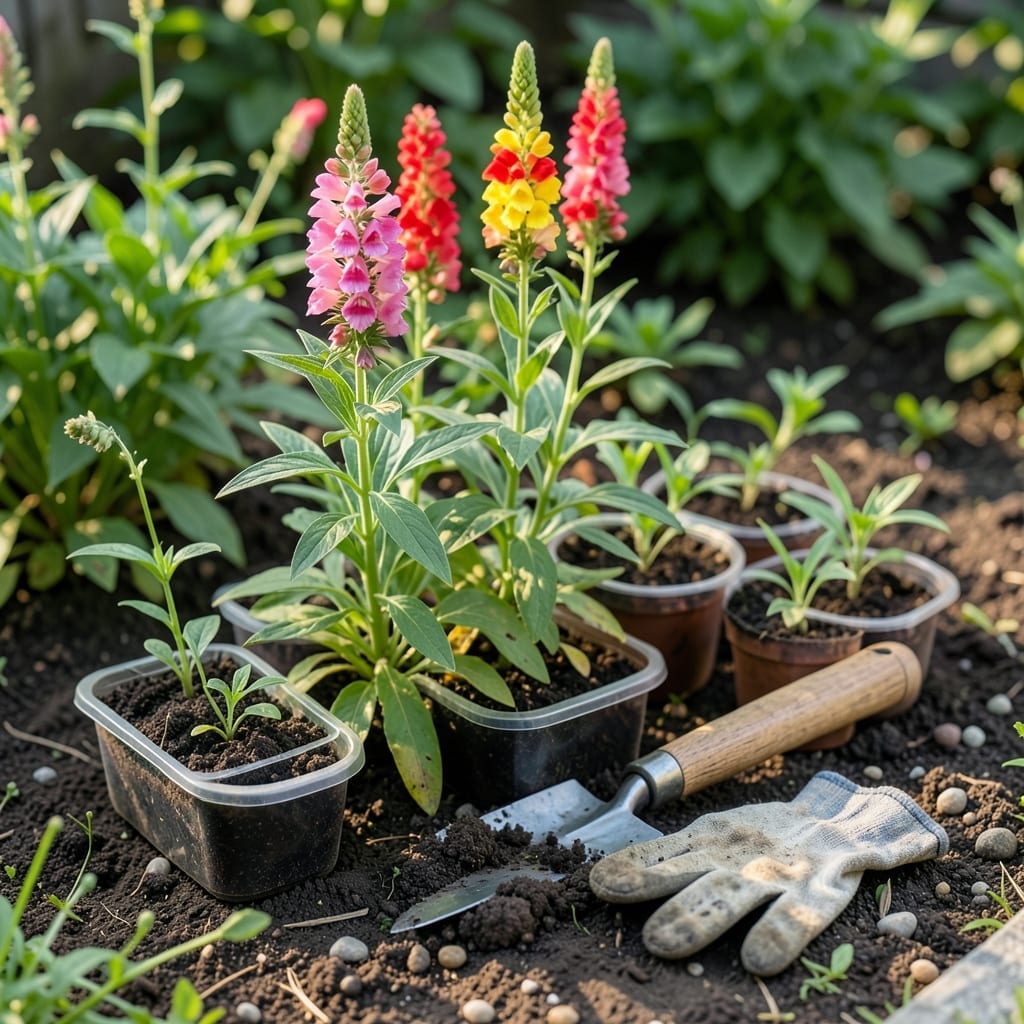
Snapdragons bring vibrant, long-lasting color to Georgia gardens, but timing is everything to avoid heat stress or frost damage.
In zones 7b-8a, these classic flowers thrive when planted at the right moment. The 🌸 Snapdragon loves Georgia’s mild climate, but get the timing wrong and you’ll miss out on those stunning blooms.
I’ve tested planting windows across multiple seasons, and the results might surprise you. Whether you’re in North Georgia or the southern counties, there’s a perfect time to start.
Discover the ideal months that will give your Snapdragons the strongest start and the most vibrant display. Let’s dig into the details.
Georgia’s diverse climate means snapdragon planting times vary by region. In North Georgia, the last frost date is typically around April 15, making late March to early April ideal for planting. ☀️
For Central Georgia, where frost risk is lower, you can start snapdragons as early as mid-March. South Georgia gardeners enjoy even milder winters, so February planting is often successful. 🌱
| Region | Ideal Planting Months | Frost Considerations |
|---|---|---|
| North Georgia | Late March – Early April | Last frost ~April 15 |
| Central Georgia | Mid-March – Early April | Last frost ~April 1 |
| South Georgia | February – March | Last frost ~March 15 |
For a fall planting, start snapdragons in September across all regions. This timing allows plants to establish before first frost, which typically arrives in November. 🌿
Snapdragons thrive in cool weather and struggle in Georgia’s summer heat. If you want winter color, plant in September for blooms that last into December. ✂️
In North Georgia, the shorter growing season means starting seeds indoors in January for transplanting after frost. This head start ensures robust plants ready for early spring blooms.
Central Georgia gardeners can direct-sow snapdragon seeds in late February if the soil is workable. For best results, ensure the soil temperature is at least 60°F for germination.
For South Georgia, the mild winters allow for successional planting. Start a new batch of snapdragons every 3-4 weeks from February to March for continuous blooms.
Always check your local frost dates for the most accurate timing. Snapdragons can tolerate light frost but may need protection during cold snaps. Use row covers if unexpected frost threatens.
Remember, well-draining soil and full sun are key for healthy snapdragons. Amend your soil with compost before planting to improve fertility and drainage. 🌻
Georgia’s summer heat can be tough on snapdragons, but with the right care, you can keep them blooming. I’ve found that afternoon shade makes a huge difference when temperatures soar above 85°F. ☀️
Start by planting in areas with morning sun and dappled afternoon shade. This protects the delicate blooms from scorching. I also recommend mulching heavily to retain moisture and keep roots cool.
I always water at the base to avoid wetting the leaves, which can lead to fungal issues in Georgia’s humid climate. A drip irrigation system works wonders for consistent moisture without overhead spray.
For container-grown snapdragons, move pots to shaded patios during peak heat. I’ve noticed they bounce back quickly when temperatures drop in the evening. Consistent moisture is key—don’t let the soil dry out completely.
If your snapdragons start looking leggy, don’t hesitate to prune them back by about one-third. This encourages bushier growth and more blooms. I do this mid-summer for a fresh flush of flowers in fall.
Finally, consider heat-tolerant varieties like ‘Liberty Classic’ or ‘Potomac’ for Georgia gardens. They’re bred to handle our climate better and will reward you with longer bloom seasons. 🌷