
Beautiful Plants For Your Interior
Beautiful Plants For Your Interior
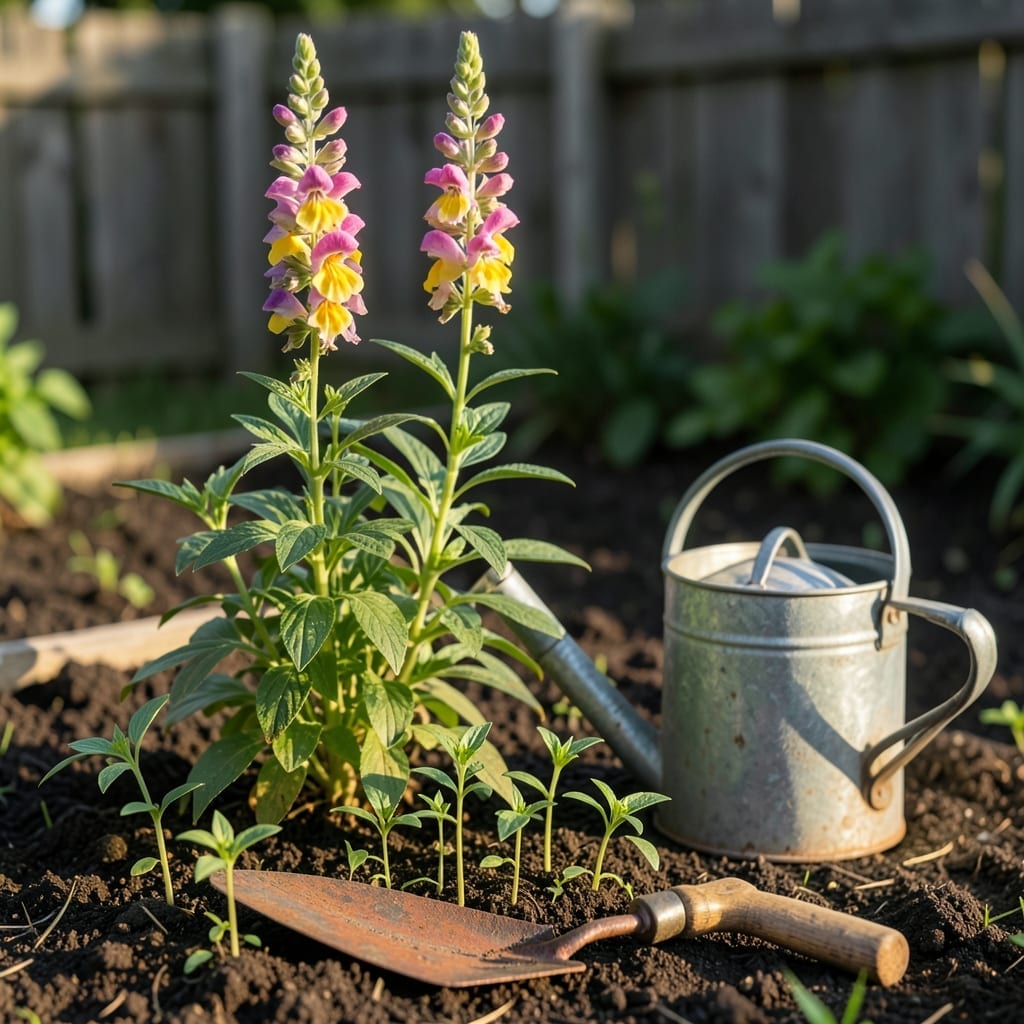
Snapdragons bring vibrant color and height to any garden, but planting them at the wrong time in Australia can lead to disappointment. I’ve seen too many gardeners struggle with wilting blooms or stunted growth.
Getting the timing right is the key to thriving 🌸 Snapdragons. Australia’s diverse climate means what works in one region might fail in another.
I’ll share the best planting windows for your area, so you can enjoy those stunning spikes of flowers without the guesswork.
Discover how to align your planting schedule with local conditions for maximum blooms and healthier plants.
Australia’s diverse climate zones mean snapdragon planting times vary significantly. In cool temperate regions like Melbourne or Tasmania, I recommend sowing seeds in early spring (September-October) or late winter for early blooms.
For subtropical areas such as Brisbane, autumn planting (March-April) works best to avoid the harsh summer heat. This timing allows snapdragons to establish before the cooler months.
| Climate Zone | Best Planting Months | Key Considerations |
|---|---|---|
| Cool Temperate | Sept-Oct or Feb-Mar | Avoid frost; needs 6+ hours sun |
| Subtropical | Mar-Apr or Aug-Sept | Plant before summer heat; well-drained soil |
| Arid | May-June or Aug-Sept | Requires shade cloth; regular watering |
| Tropical | June-July | Coolest months; morning sun only |
In arid regions like Adelaide, I’ve found late autumn (May-June) or early spring (August-September) planting prevents heat stress. Always use mulch to retain moisture in these dry areas.
For tropical zones in Northern Australia, the dry season (June-July) is ideal. Snapdragons struggle in high humidity, so I ensure good air circulation to prevent fungal issues.
Temperature thresholds are crucial. Snapdragons thrive in 15-25°C and cannot tolerate frost. In cooler areas, I wait until soil temps reach at least 10°C before planting.
Soil preparation is key. I always amend beds with compost and ensure pH 6.2-7.0 for optimal growth. In clay soils, adding gypsum improves drainage.
For seed sowing, I plant at ¼ inch depth and keep soil moist. Seeds typically germinate in 10-20 days at 18-24°C. In warmer zones, I start seeds indoors.
If using seedlings, I harden them off for 7-10 days before transplanting. Space plants 20-30cm apart for dwarf varieties or 40-50cm for taller types.
Remember, snapdragons are short-day plants. In southern Australia, they’ll bloom naturally in spring. In northern areas, I sometimes use shade cloth to simulate shorter days.
☀️Planting snapdragons in Australia requires careful timing and preparation. I always start by checking my region’s frost dates and soil temperature. In cooler areas, spring planting after the last frost works best.
For warmer zones, autumn planting avoids the harsh summer heat. I’ve found that well-draining soil and full sun give the best results for vibrant blooms.
Avoid Planting in Summer
Snapdragons struggle in extreme heat. In northern regions, plant in August or September for best growth. Always ensure soil stays moist but not soggy.
Begin by preparing the soil with compost for nutrients. I loosen the soil to 12 inches deep to encourage strong root growth. Snapdragons prefer a slightly acidic to neutral pH.
When sowing seeds, I plant them 1/8 inch deep and space them 12-18 inches apart. For seedlings, I transplant carefully to avoid root shock. Water gently but thoroughly after planting.
Mulching helps retain moisture and suppress weeds. I use organic mulch like straw or bark. Keep the mulch 2 inches from the plant base to prevent rot.
Finally, I monitor for pests like aphids. A neem oil spray works wonders if I spot any early. With the right care, your snapdragons will reward you with months of color 🌸