
Beautiful Plants For Your Interior
Beautiful Plants For Your Interior
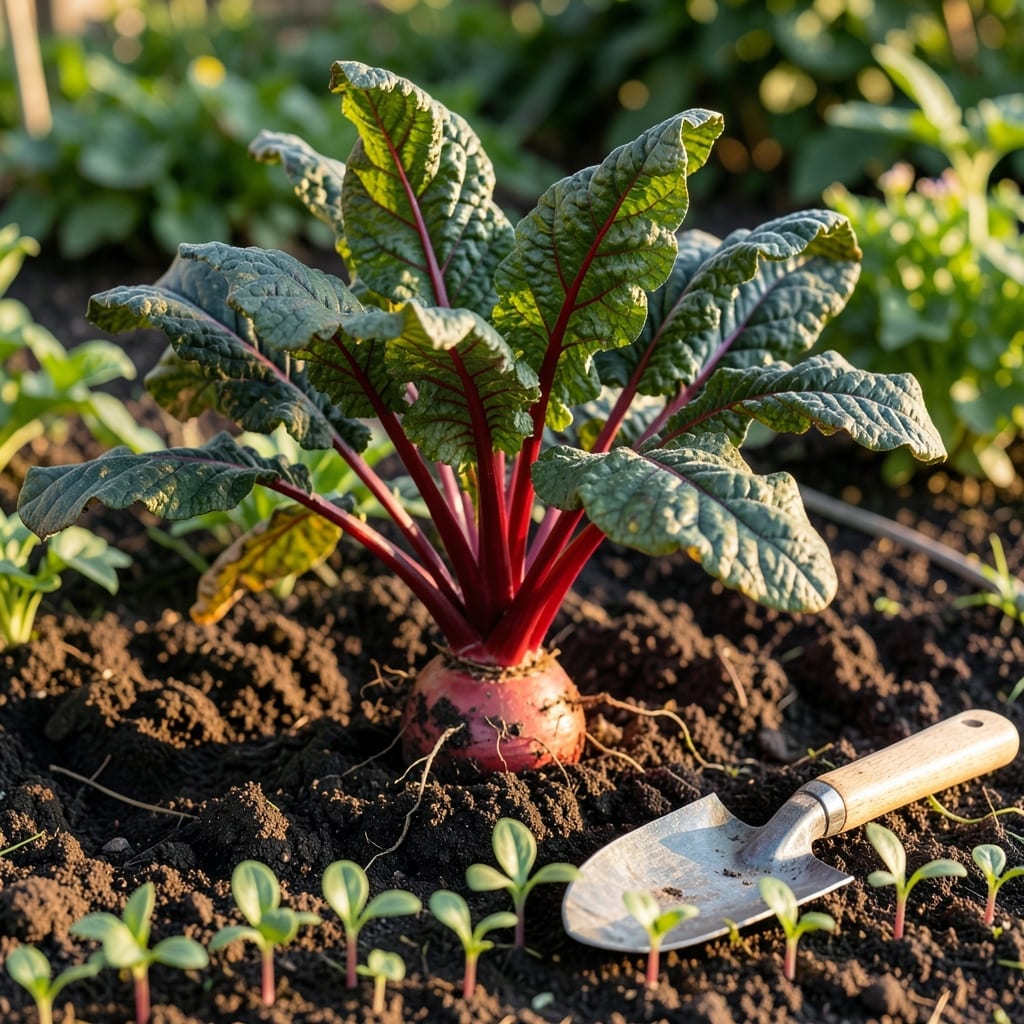
Timing is everything when it comes to growing Silverbeet 🥬 in Victoria’s unique climate. Plant too early or too late, and you risk stunted growth or a poor harvest.
I’ve learned the hard way that this leafy green thrives when the conditions are just right. The good news? With the right timing, you can enjoy multiple harvests throughout the year.
Whether you’re a seasoned gardener or just starting out, knowing the best windows for planting makes all the difference. Victoria’s climate offers two prime seasons to get it right.
Let me walk you through how to align your planting schedule with nature’s rhythm for a bountiful crop of this versatile vegetable.
In Victoria’s diverse climate, the best times to plant silverbeet are during autumn and spring. These seasons offer mild temperatures and consistent moisture, which are ideal for germination and growth. Avoid extreme summer heat or winter frosts, as they can stress young plants.
For most regions, including Melbourne, aim to sow seeds from February to April for autumn crops and August to October for spring harvests. This timing aligns with soil temperatures between 10°C and 25°C, which silverbeet thrives in.
| Season | Planting Months | Climate Notes |
|---|---|---|
| Autumn | Feb–April | Cool, moist soil ideal for seeds |
| Spring | Aug–Oct | Warm days, cool nights promote growth |
| Alpine | Oct–Dec | Shorter season, avoid frost |
In cooler alpine regions, the planting window shifts slightly. Here, late spring to early summer (October to December) works best to avoid late frosts. Always check local frost dates and adjust accordingly for the best results.
Soil preparation is key before planting. I recommend enriching your beds with compost or aged manure to improve fertility and drainage. Silverbeet prefers loamy, well-draining soil with a pH between 6.0 and 7.0.☀️
For Melbourne’s temperate climate, you can start seeds indoors 4-6 weeks before the last expected frost. This gives them a head start. Transplant seedlings outdoors when they have 2-3 true leaves and the soil has warmed.
If you’re in a warmer inland area, like Mildura, plant earlier in autumn to avoid the intense summer heat. Silverbeet can bolt in high temperatures, reducing leaf quality. Mulching helps retain moisture and regulate soil temperature.
Companion planting can boost your silverbeet’s growth. I’ve had success planting it near beans, onions, or brassicas, which deter pests and improve soil health. Avoid planting near potatoes, as they compete for nutrients.
For container gardening, choose pots at least 12 inches deep with drainage holes. Use a quality potting mix and keep the soil consistently moist. Containers allow you to move plants to optimal sunlight as seasons change.
Finally, remember that consistent watering is critical, especially during germination. I water my silverbeet 1 inch per week, adjusting for rainfall. Drip irrigation works best to keep leaves dry and prevent disease.
With the right timing and care, you’ll enjoy bountiful silverbeet harvests throughout Victoria’s growing seasons.🌱
Victoria’s microclimates significantly influence when to plant silverbeet. Coastal areas like Melbourne have milder winters, allowing for earlier autumn planting, while inland regions may need delayed sowing.
Frost dates are critical—silverbeet tolerates light frost but young seedlings are vulnerable. In USDA zones 7b-9a, last frost is typically October 15, and first frost around April 30.🌱
In sandy soils, silverbeet may need more frequent watering as these drain quickly. I’ve found that amending with organic matter improves moisture retention and nutrient availability for better growth.
Clay soils can be problematic due to poor drainage. To fix this, I mix in gypsum and compost before planting. This improves soil structure and prevents waterlogging, which can rot silverbeet roots.
For Victoria’s alpine regions, the growing season is shorter. Here, I recommend starting seeds indoors in early spring and transplanting after the last frost. This extends the growing window significantly.
Monitoring local weather patterns is essential. If an unexpected heatwave is forecasted, I delay planting or use shade cloth to protect young plants. Similarly, cold snaps may require row covers.
By understanding your specific microclimate and soil, you can fine-tune planting times for optimal silverbeet yields.✂️