
Beautiful Plants For Your Interior
Beautiful Plants For Your Interior
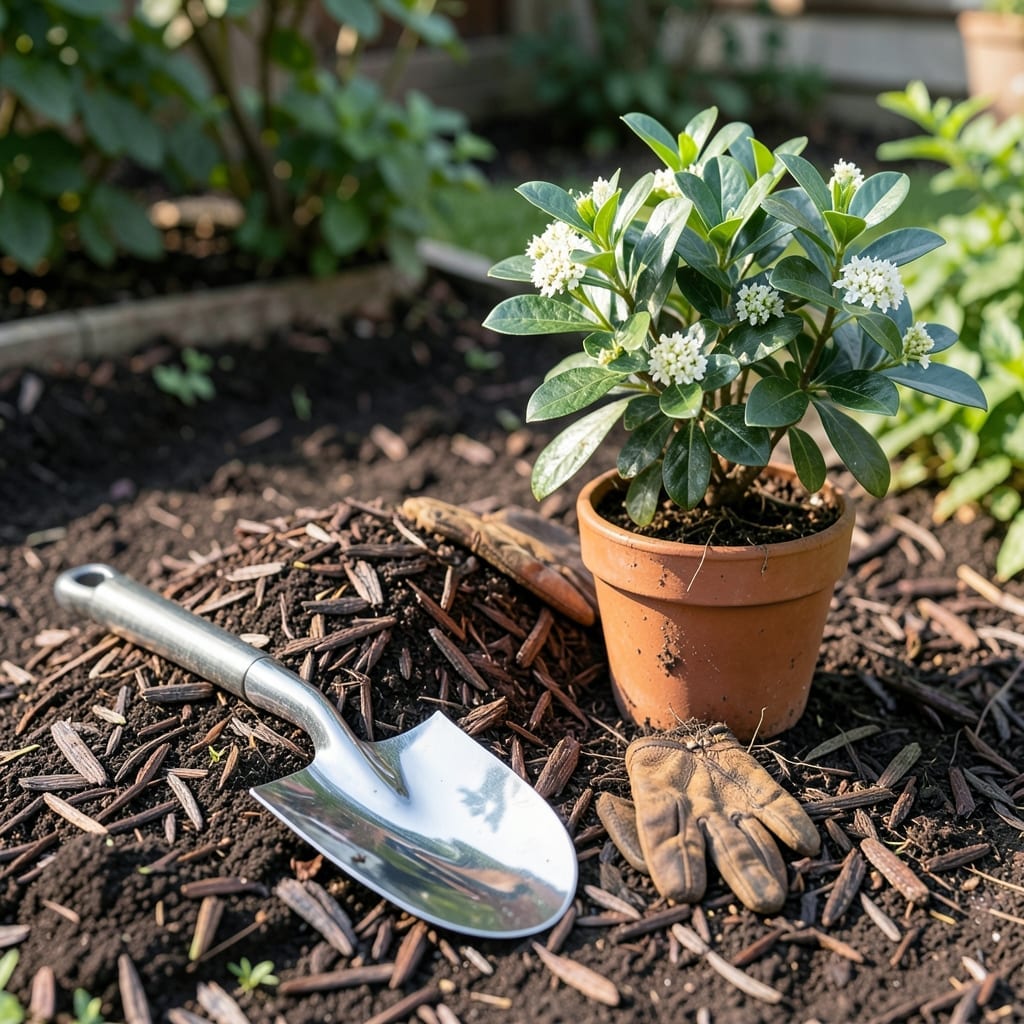
Timing is everything when planting shrubs in Tennessee—get it right, and your garden will thrive with deep roots and lush growth for years to come.
I’ve seen too many well-intentioned gardeners struggle because they planted at the wrong time. The good news? There’s a simple window that works best for our climate.
The 🌿 shrubs you choose deserve the best start possible. Planting during the cooler months gives them time to establish without the stress of summer heat or frost.
Let me walk you through the ideal timing and why it makes all the difference for strong, healthy shrubs in zones 6b-7a.
Tennessee’s mild climate gives gardeners a long window to plant shrubs, but timing still matters. I’ve found that fall and early spring are the sweet spots for most varieties.
The cool temperatures and moist soil in these seasons help roots establish before summer heat or winter frost hits. This means your shrubs will be stronger and healthier from the start. 🌿
| Season | Months | Why It Works |
|---|---|---|
| Fall | October-November | Cool temps, less stress, roots establish before winter |
| Late Winter | February-March | Dormant season, soil workable, pre-spring growth |
| Early Spring | April | Ideal for container-grown shrubs, avoids frost |
Fall planting (October-November) is my top recommendation. The soil stays warm while air temps cool, encouraging root growth without top growth stress. This gives shrubs a head start for spring.
Late winter (February-March) works well too, especially for bare-root shrubs. Just avoid planting when the ground is frozen or waterlogged. The dormant season reduces transplant shock.
Early spring (April) is perfect for container-grown shrubs. The soil is warming up, and you’ll avoid the last frost in most of Tennessee. I always check the 10-day forecast first.
What about summer planting? I don’t recommend it unless you’re super vigilant with watering. The heat stress can overwhelm new shrubs, even with daily watering. If you must, choose cloudy days and keep soil consistently moist.
For evergreen shrubs, aim for early fall (September-October). This gives them enough time to establish before winter. Deciduous shrubs can go in a little later, even into November in most of Tennessee.
Remember, soil preparation is just as important as timing. I always test my soil and amend with compost before planting. Well-draining soil prevents root rot, especially in our clay-heavy Tennessee soils.
After planting, mulch heavily (2-3 inches) to retain moisture and regulate soil temperature. Keep the mulch away from the trunk to prevent rot. Your shrubs will thank you with vibrant growth for years to come. 🌳
Tennessee spans USDA Zones 6-8, meaning planting times vary slightly across the state. In East Tennessee (Zone 6-7), I plant shrubs from mid-September to April to avoid frost damage.
Middle Tennessee (Zone 7) has a longer window, typically October through March. The milder winters here allow for more flexibility with late fall planting. 🌿
| Region | Zone | Best Months | Last Frost |
|---|---|---|---|
| East TN | 6-7 | Sept-April | Mid-April |
| Middle TN | 7 | Oct-March | Early April |
| West TN | 7-8 | Oct-Feb | Late March |
West Tennessee (Zone 7-8) can plant as late as February since spring arrives earlier. However, I avoid January planting here due to occasional cold snaps.
For bare-root shrubs, I stick to dormant season (Dec-Feb) in all zones. Container-grown shrubs offer more flexibility—you can plant them any month the ground isn’t frozen.
Always check your local frost dates. In Nashville (Zone 7), our last frost is typically April 15, so I aim to plant at least 6 weeks before this date for spring planting.
Soil prep differs too. In clay-heavy West TN, I amend with compost and sand for better drainage. East TN’s rockier soil benefits from organic matter to retain moisture.
Pro tip: Use a soil thermometer—plant when temps are above 40°F at 6″ depth. This ensures roots can grow actively. 🌳