
Beautiful Plants For Your Interior
Beautiful Plants For Your Interior
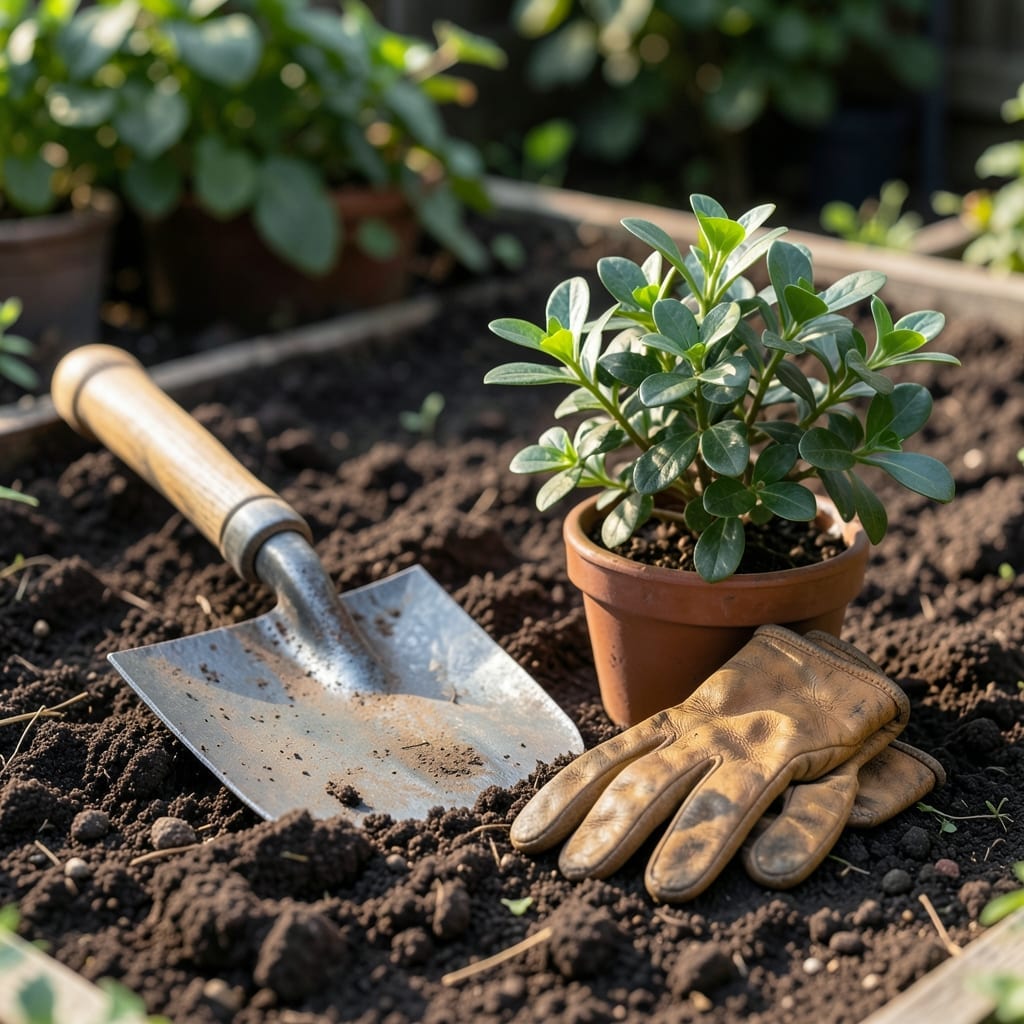
Timing is everything when planting shrubs in Pennsylvania—get it right, and you’ll enjoy lush, thriving 🌿 for years.
Get it wrong, and you risk stunted growth or even plant loss. Pennsylvania’s climate zones mean the ideal window varies, but a few key principles ensure success.
Whether you’re in 6a-7a or another part of the state, knowing when to plant makes all the difference.
I’ll walk you through the best times to plant shrubs in PA, so you can set your garden up for long-term success.
Pennsylvania spans USDA zones 4-7, so your planting window depends on where you live. In zone 6a-7a, early spring or early fall works best. The soil temperature and frost dates are key factors for root establishment.
Early spring planting allows shrubs to establish roots before summer heat. Early fall gives them time to settle before winter. Avoid summer planting due to heat stress and winter planting because of frozen ground.
| Zone | Best Planting Times | Key Considerations |
|---|---|---|
| 4 | Late April or early September | Cold winters require early fall planting |
| 5 | Early April or mid-September | Moderate climate allows flexible timing |
| 6-7 | March or October | Mild winters extend fall planting window |
In zone 4, late April or early September planting avoids frost damage. The soil must be workable and not frozen. Early fall planting gives roots time to establish before winter.
For zone 5, early April or mid-September works well. The moderate climate allows for a slightly wider planting window. Avoid planting during heatwaves or droughts.
In zones 6-7, March or October planting is ideal. The mild winters allow for later fall planting. Ensure shrubs are well-watered after planting to help roots establish.
The last frost date in PA ranges from mid-April to early May. Planting after this date reduces the risk of frost damage to new shrubs. Always check your local frost dates for accuracy.
Soil temperature should be above 40°F for root growth. Use a soil thermometer to check. If the soil is too cold, roots won’t establish properly.
Fall planting should be done at least 6 weeks before the first frost. This gives shrubs enough time to establish roots before winter. In PA, the first frost typically occurs in mid-October.
Spring planting should be done as soon as the soil is workable. This is usually in March or April, depending on your zone. Early planting allows shrubs to establish before summer heat.
Avoid planting during summer due to heat stress. High temperatures can cause transplant shock and stunted growth. If you must plant in summer, do it on a cloudy day and water deeply.
Winter planting is not recommended in PA due to frozen ground. Roots cannot establish in frozen soil, leading to poor growth or plant loss. Always wait until spring or fall for best results.
Choosing between spring planting and fall planting in Pennsylvania depends on your shrub type and local microclimate. Both seasons offer advantages, but timing is crucial for root establishment and growth.
In spring, shrubs benefit from warmer soil and abundant rainfall, which helps roots spread quickly. However, hot summers can stress young plants if they’re not well-established.
I recommend early fall planting for most shrubs in PA, as it allows roots to grow before winter dormancy. The cool temperatures and consistent moisture create ideal conditions for establishment.
Spring planting works well for container-grown shrubs or species that need a full growing season to settle in. Just be sure to mulch heavily and water deeply during dry spells.
If you’re in Zone 6, fall planting can extend into October, but in Zone 4, aim for late August to avoid early frosts. Always check the weather forecast before planting.
For the best results, test soil workability and ensure it’s not frozen or waterlogged. This simple step prevents many common planting mistakes.
Ultimately, both seasons can succeed with the right care and timing. 🌿