
Beautiful Plants For Your Interior
Beautiful Plants For Your Interior
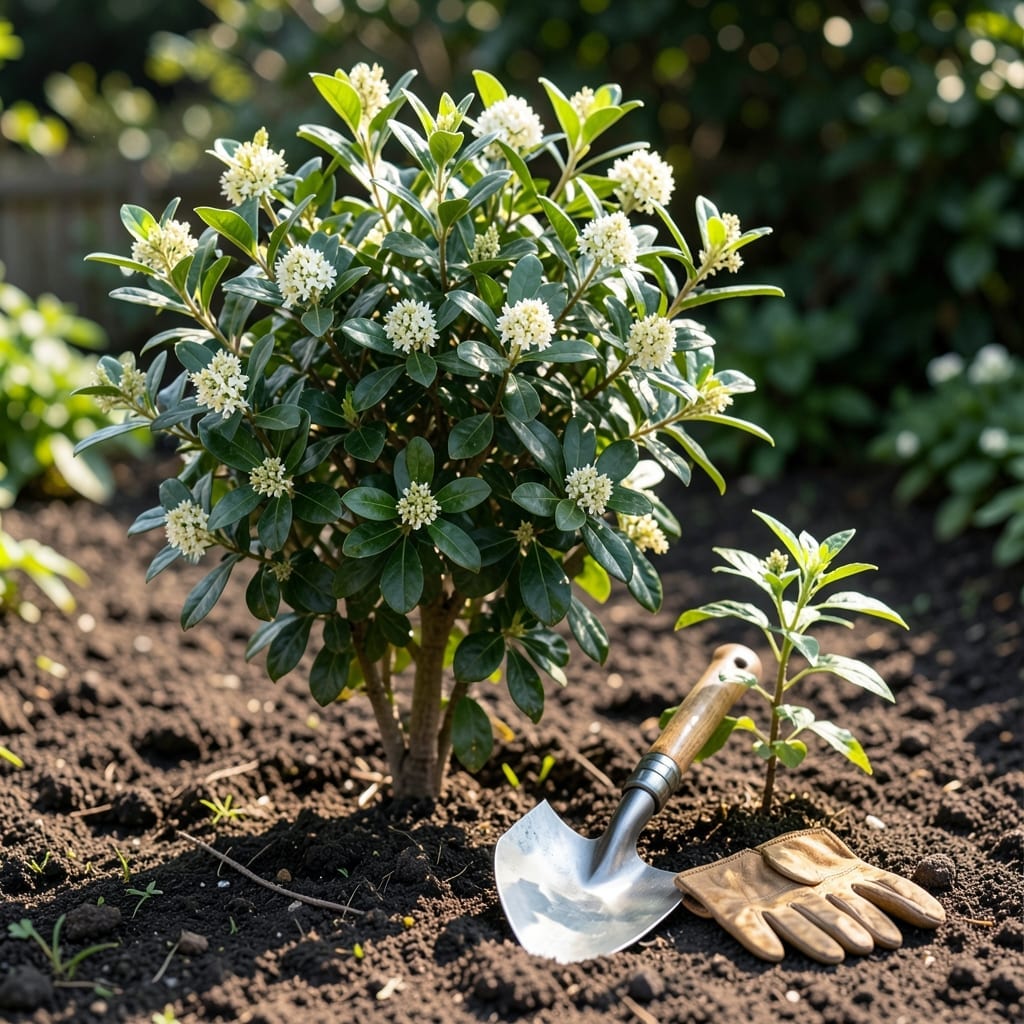
Timing is everything when planting 🌿 Shrubs in Colorado—plant too early or too late, and you risk stunted growth or winter die-off.
In zones 5b-7a, the soil and air temperatures can swing dramatically between seasons. Knowing the best windows to get your shrubs in the ground makes all the difference.
Whether you’re in the Front Range or up in the high country, the right timing helps roots establish before summer heat or winter cold sets in.
Discover when to plant for strong, healthy shrubs that thrive in Colorado’s unique climate. Let me show you how to get it right.
Colorado’s unique climate demands precise timing for shrub planting. The best windows are early spring and early fall, when soil is workable and temperatures are mild.
I’ve found that April-May and September-October give roots time to establish before summer heat or winter freeze. Avoid summer planting—the stress of heat and drought can overwhelm new shrubs.
| Season | Ideal Months | Soil Temp | Key Benefit |
|---|---|---|---|
| Spring | April-May | 50-60°F | Roots establish before heat |
| Fall | September-October | 55-65°F | Cool temps reduce stress |
| Avoid | June-August | 75°F+ | Heat/drought risk |
In the Front Range, last frost typically hits around May 15. I recommend planting 2-3 weeks after this date to avoid late cold snaps that can damage tender new growth.
For high-elevation areas, wait until late May or early June when soil has warmed. The short growing season means every day counts for root development.
Western Slope gardeners enjoy a milder climate. Here, you can start planting shrubs as early as late March if soil isn’t frozen. The lower elevation and warmer temperatures allow for earlier starts.
Soil temperature is critical—I use a soil thermometer to check. Aim for 50°F minimum for most shrubs. Below this, roots grow too slowly to establish before stress periods.
The fall window is equally important. Plant at least 4-6 weeks before the first frost (typically October 15 in Denver). This gives roots time to anchor before winter dormancy.
I’ve had great success with fall planting for species like serviceberry and lilac. The cooler air and warm soil create ideal conditions for root growth without top growth stress.
Remember, container-grown shrubs can be planted anytime during the growing season with proper care. But bare-root shrubs must go in during dormant seasons—early spring or fall.
Always mulch heavily after planting to conserve moisture and insulate roots from temperature swings. This simple step can make the difference between thriving shrubs and struggling ones in Colorado’s unpredictable climate.
Colorado spans USDA Zones 3-7, and each has its own ideal planting window. I’ve learned that timing varies significantly between high mountain areas and lower elevations like the Western Slope.
For Zone 5b (Denver/Front Range), aim for mid-April to May or September to early October. The last frost is typically May 15, so planting after this date avoids late freezes.
| Zone | Spring Window | Fall Window | Example Shrubs |
|---|---|---|---|
| 3-4 | Late May-June | Aug-Sept | Rabbitbrush, Potentilla |
| 5-6 | April-May | Sept-Oct | Lilac, Serviceberry |
| 7 | March-April | Oct-Nov | Butterfly Bush, Sumac |
In Zone 3-4 (high country), the short season means planting must wait until late spring when soil thaws. I’ve had success with cold-hardy natives like sagebrush and mountain mahogany.
Zone 7 (Western Slope) allows for earlier planting. Here, March-April works well for spring, and you can extend fall planting into November in some areas.
Urban areas often have warmer microclimates. If you’re in Denver proper, you might plant 1-2 weeks earlier than in rural zones. Always check your local frost dates for precision.
For container-grown shrubs, you have more flexibility. I’ve planted dwarf varieties in summer with extra watering and shade cloth, but it’s riskier. Bare-root shrubs need dormant season planting.
Remember that elevation changes can shift your zone by several degrees. When in doubt, use a soil thermometer—plant when temps hit 50°F at root level. This simple tool takes the guesswork out of timing.
Always acclimate new shrubs for a few days in their pots before planting. This reduces transplant shock and helps them establish faster in Colorado’s challenging conditions.