
Beautiful Plants For Your Interior
Beautiful Plants For Your Interior
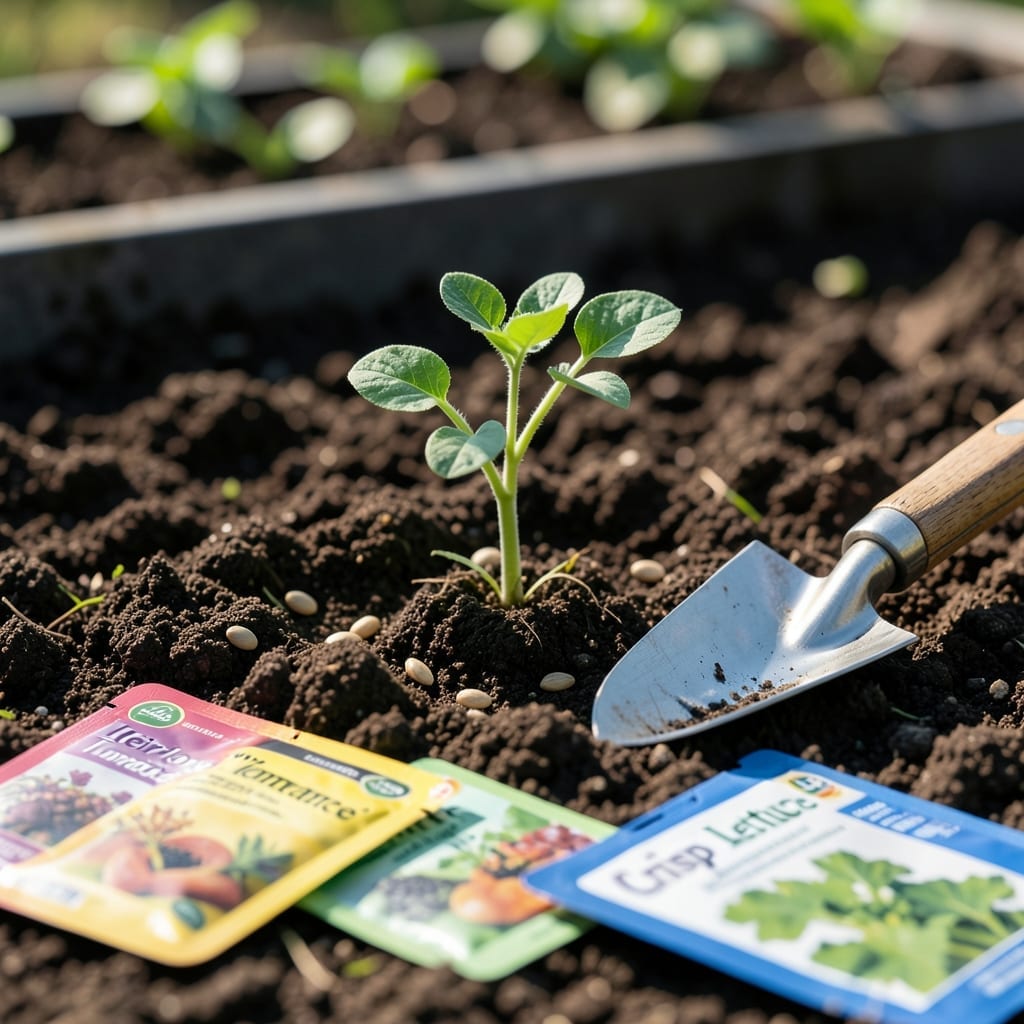
Timing is everything when it comes to planting General Seeds 🌱 outdoors—plant too early, and frost could kill your seedlings; too late, and you might miss the growing season entirely.
This guide helps you pinpoint the perfect window for your climate and crops. Whether you’re in zone 6 or elsewhere, understanding these timing principles will set your garden up for success.
Discover how to align your planting schedule with nature’s rhythm and watch your General Seeds thrive like never before.
I always tell fellow gardeners that USDA hardiness zones are your best friend for timing. Each zone has unique frost dates that dictate when it’s safe to plant outdoors. In zone 6, for example, the last frost typically hits around April 15.
For cool-season crops like lettuce and peas, I plant seeds 4-6 weeks before the last frost. But for warm-season crops like tomatoes and peppers, I wait until soil temps hit at least 60°F, usually after the last frost date.
| Zone | Last Frost | Warm-Season Planting | Cool-Season Planting |
|---|---|---|---|
| 3-4 | May 15 | Late May | Early April |
| 5-6 | April 15 | Early May | Late March |
| 7-8 | March 15 | Early April | February |
I’ve learned that local microclimates can shift these dates. A sunny slope warms up faster than a shaded valley, so I adjust my planting schedule based on my garden’s specific conditions and daily weather patterns.
In warmer zones like 9-11, gardeners can plant year-round with some crops, but even there, I watch for unexpected cold snaps in winter. Summer planting is often better in these zones to avoid the intense heat of midsummer.
For cool climates like zones 3-4, I use row covers or cold frames to extend the season. This lets me start seeds a bit earlier while protecting them from late spring frosts that can sneak up unexpectedly.
I always check soil temperature with a simple thermometer. For most vegetable seeds, I aim for 50-85°F, depending on the crop. Too cold, and seeds rot; too hot, and they won’t germinate properly.
Another trick I use is succession planting. For crops like lettuce or beans, I plant new seeds every 2-3 weeks to ensure a continuous harvest. This works especially well in zones with long growing seasons.
Don’t forget to consider moisture levels when planting. In dry zones, I water seeds gently but consistently to keep the soil moist. In wetter areas, I ensure good drainage to prevent seeds from rotting in soggy soil.
Finally, I always recommend checking your local extension office for hyper-local advice. They often have customized planting calendars that account for your area’s unique weather patterns and soil conditions.
🌱I love planning my garden around the changing seasons. For cool-season crops like lettuce and spinach, I plant seeds in early spring or late summer for a fall harvest.
In my experience, warm-season favorites like tomatoes and peppers need to wait until soil warms up in late spring, while fast growers like radishes can go in as soon as the soil is workable.
For annual flowers, I plant marigolds and zinnias after the last frost. These bright bloomers thrive in warm soil and add color to my garden all summer long.
I always check the seed packet for specific instructions. Some varieties like sweet peas can tolerate light frost, while others like basil need consistently warm temperatures to germinate.
In my zone 6 garden, I’ve found that mid-April is perfect for cool crops, while late May works best for heat-lovers. This timing ensures my plants get the right start for a productive season.
Remember that flower seeds often have different needs than vegetable seeds. For example, poppies prefer cool soil and can even be sown in fall in mild climates for early spring blooms.
🌼