
Beautiful Plants For Your Interior
Beautiful Plants For Your Interior
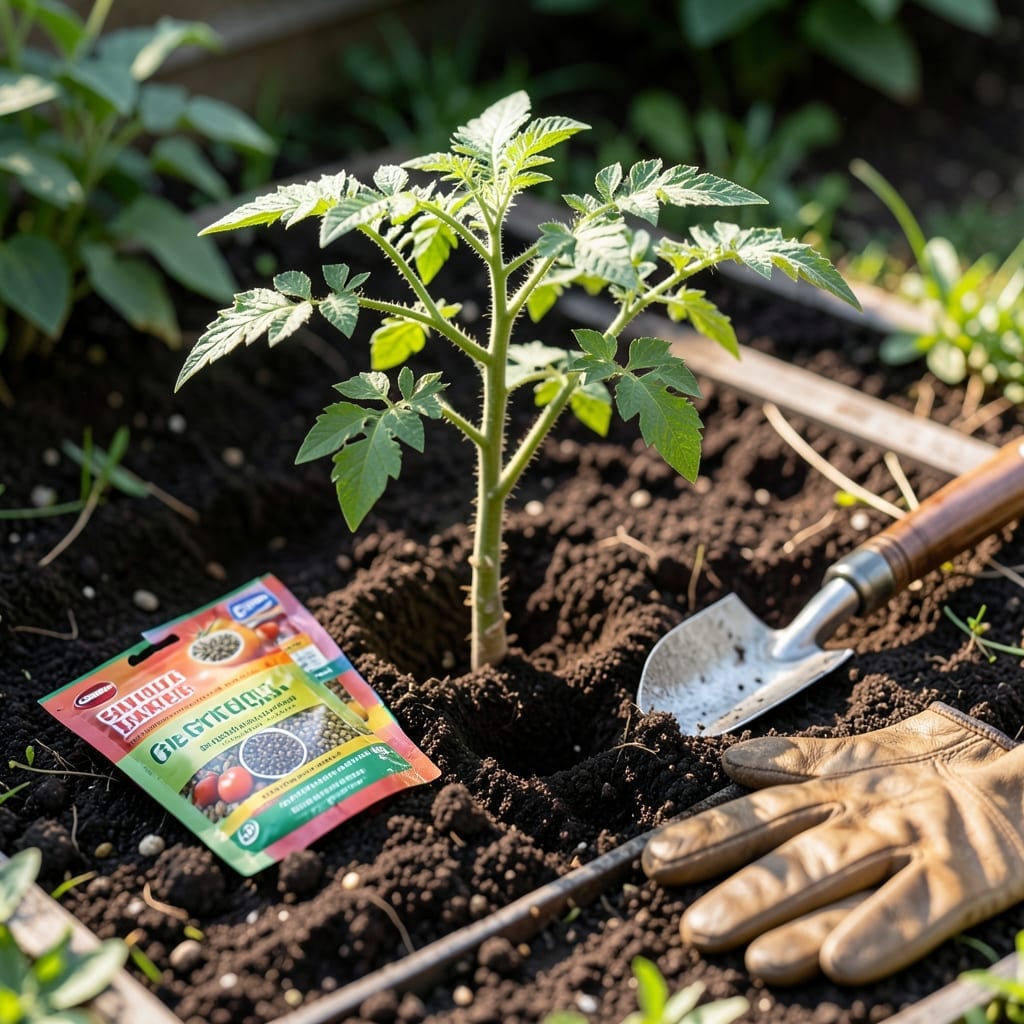
Timing is everything when it comes to planting General Seeds in Zone 6. Miss the window, and your crops could struggle—or worse, fail entirely.
I’ve learned the hard way that frost dates and seasonal shifts are the real bosses of your garden. That’s why nailing the schedule is non-negotiable for success.
With 180 frost-free days, Zone 6 offers plenty of opportunity, but only if you know when to act. The difference between a thriving garden and a disappointing one often comes down to a few key weeks.
Let me walk you through the most important planting windows and how to make them work for your General Seeds. You’ll be amazed at how much easier gardening becomes with the right timing.
In USDA Zone 6, your planting calendar revolves around two key dates: the last spring frost (around April 15) and the first fall frost (near October 15). This gives you roughly 180 frost-free days to work with.
For cool-season crops like lettuce and peas, I start seeds 4-6 weeks before the last frost. Warm-season plants such as tomatoes and peppers need the soil to warm up first—wait until after the last frost when soil temps hit 60°F.
| Season | Crop Type | Planting Window | Soil Temp |
|---|---|---|---|
| Early Spring | Cool-Season | March-April | 40-50°F |
| Late Spring | Warm-Season | May-June | 60-70°F |
| Fall | Cool-Season | August-Sept | 50-60°F |
| Winter | Overwintering | Oct-Nov | 35-45°F |
I always check my local weather patterns because microclimates can shift these dates by a week or two. Urban areas often warm up faster than rural spots, while low-lying areas may stay cooler longer.
For direct sowing, I wait until the soil is workable—not too muddy or frozen. A simple test: if you can squeeze a handful of soil and it crumbles easily, it’s ready for seed planting.
Don’t forget about soil temperature. Even if air temps are warm, cold soil can delay germination or cause seeds to rot. I use a soil thermometer to be sure—it’s a game-changer for precision.
For indoor starts, I begin tomatoes and peppers about 8 weeks before the last frost. This gives them time to develop strong roots before transplanting. Broccoli and cabbage can start indoors 6 weeks early.
I’ve found that succession planting works wonders in Zone 6. After harvesting early lettuce, I immediately sow bush beans or carrots to maximize my growing space. This keeps my garden productive all season long.
Remember, these are general guidelines. Always refer to your seed packets for specific requirements, as some varieties may have unique needs. And keep a garden journal to track what works best in your particular spot.
With careful timing and a little observation, you can extend your growing season and enjoy bountiful harvests from spring through fall in Zone 6. 🌱
In Zone 6, understanding the difference between cool-season and warm-season crops is key to planting success. Cool crops like lettuce and peas thrive in early spring or fall when temperatures are mild.
Warm-season crops such as tomatoes and peppers need the soil to warm up, so they’re best planted after the last frost, typically mid-April in Zone 6. This timing ensures they grow in optimal conditions.
| Crop Type | Examples | Planting Time | Frost Tolerance |
|---|---|---|---|
| Cool-Season | Lettuce, Peas, Spinach | Early Spring/Fall | High |
| Warm-Season | Tomatoes, Peppers, Beans | After Last Frost | Low |
| Cool-Season | Kale, Carrots, Radishes | Late Summer/Fall | Medium |
For cool-season crops, I start seeds indoors 6-8 weeks before the last frost or direct-sow them in early spring. This gives them a head start before the heat of summer kicks in.
Warm-season crops are more sensitive, so I always wait until the soil temperature is at least 60°F. Using a soil thermometer helps me gauge the perfect time to plant.
If you’re unsure, check your seed packets for specific guidelines. They often include optimal soil temperatures and whether the crop prefers cool or warm conditions. This small step can save a lot of guesswork.
Finally, don’t forget about succession planting. For crops like bush beans or zucchini, I plant a new batch every 2-3 weeks to extend the harvest season well into fall.
This approach keeps my garden productive and full of fresh produce for months on end 🌱