
Beautiful Plants For Your Interior
Beautiful Plants For Your Interior
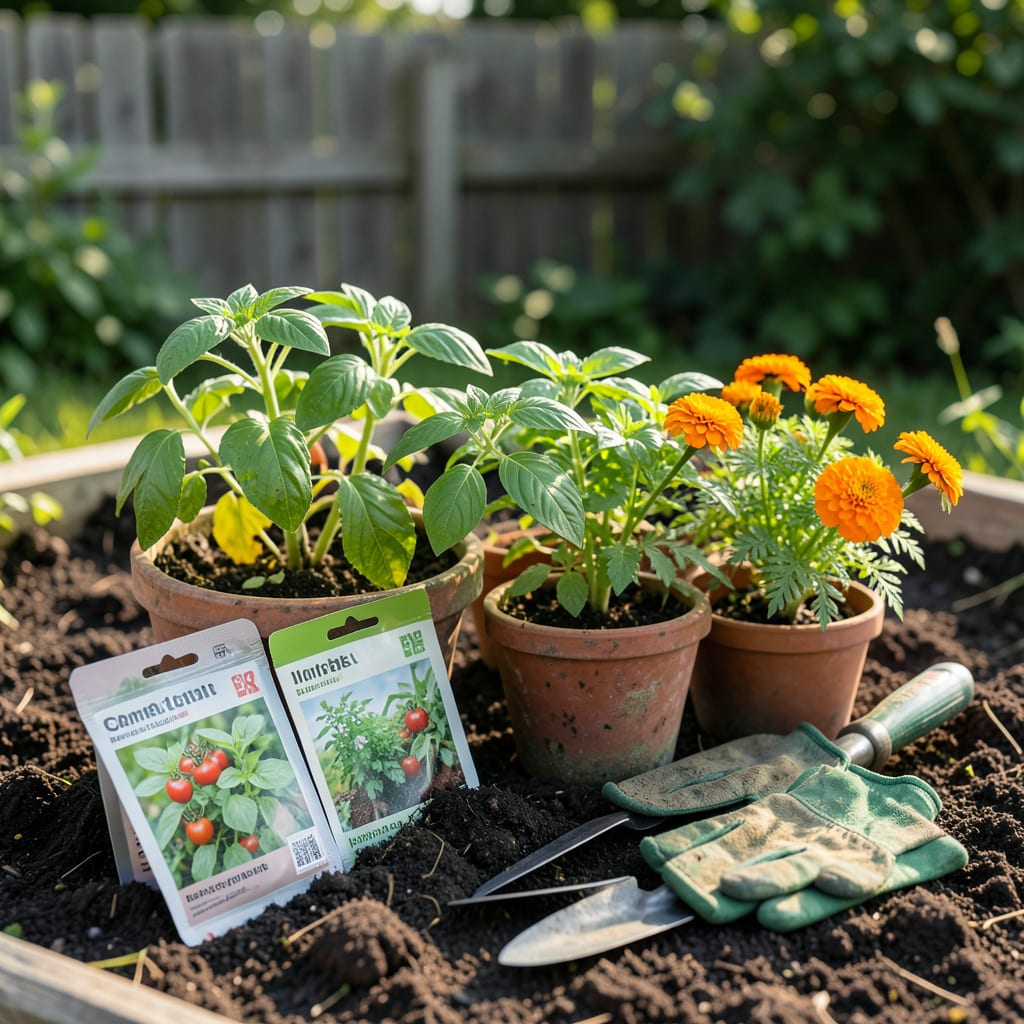
As summer fades and cooler weather approaches, fall becomes an ideal time to plant Garlic 🧄 seeds for a head start on next year’s garden in zone 6a. The September to November planting window allows for optimal root development before winter.
Understanding when to plant seeds in the fall is crucial for a successful harvest. I’ll guide you through the process, covering the best planting dates, soil preparation, and tips for choosing the right seeds.
Understanding the ideal time frame for planting different types of seeds in fall is crucial for a successful harvest. The key is to plant when the weather is cool enough for germination but not so late that the seeds don’t have time to establish themselves before winter. 🌼
In most regions, the best time to plant seeds in the fall is 4-6 weeks before the first frost. This allows the seeds to germinate and develop a strong root system before the ground freezes. For example, if your area’s first frost date is October 15, you should plant seeds around September 10-24. 📆
The ideal planting time varies depending on the type of seed you’re planting. Cool-season crops like broccoli, kale, and spinach thrive when planted in late summer to early fall. These plants prefer the cooler temperatures and can tolerate light frosts. ❄️
Perennials such as coneflowers, black-eyed Susans, and ornamental grasses do well when planted in early to mid-fall. This allows them to establish a strong root system before winter. 🌩
For specific plants like Garlic, the planting window is typically September to November. This allows the garlic to establish roots before the ground freezes and ensures a summer harvest. 🧄
To determine the best planting time for your area, consult the local frost dates and plan accordingly. You can find this information by checking with local nurseries, gardening clubs, or online resources. 🌐
It’s also important to consider the climate and soil conditions in your area. If you live in a region with mild winters, you may be able to plant seeds later in the fall than someone in an area with harsh winters. ❄️
By understanding the optimal timing for fall seed planting, you can give your garden a head start on next year’s growth and enjoy a more bountiful harvest. 🌼
For more specific guidance on planting dates and techniques, consider consulting a local gardening expert or checking out online resources like the USDA Plant Hardiness Zone Map. 📚
By following these guidelines and choosing the right seeds for your climate, you can make the most of the fall planting season and set your garden up for success. 🌱
Happy gardening! 🌻
When it comes to fall planting, selecting the right seeds is crucial for a successful harvest. Not all plants thrive in the cooler temperatures of fall, so it’s essential to choose varieties that are well-suited for the season. 🌼
Some of the best plants for fall seeding include cool-season crops like broccoli, kale, and spinach. These plants prefer the cooler temperatures and can tolerate light frosts, making them ideal for fall gardens. ❄️
In addition to cool-season crops, perennials like coneflowers, black-eyed Susans, and ornamental grasses are also great choices for fall planting. These plants will establish themselves over the winter and come back strong in the spring. 🌻
When selecting seeds for fall planting, be sure to choose varieties that are disease-resistant and climate-specific. This will help ensure a healthy and thriving garden. 🌟
By choosing the right seeds for your fall garden, you’ll be able to enjoy a bountiful harvest and set your garden up for success in the coming year. 🌼
For more information on selecting the best seeds for your fall garden, consider consulting with a local gardening expert or checking out online resources like seed catalogs and gardening websites. 📚
As we transition into fall, it’s essential to prepare your garden for the upcoming planting season. Proper preparation will ensure that your seeds have the best chance to germinate and thrive. 🌼
First, I recommend cleaning up your garden beds by removing any debris, weeds, or leftover plants from the summer season. This will help prevent any potential diseases or pests from affecting your new seedlings. 🌿
Test your soil to determine its nutrient content and pH level. Based on the results, add necessary amendments to create a well-balanced soil mixture that will support healthy seed growth.
Next, I suggest loosening the soil to a depth of about 8-10 inches to improve drainage and aeration. You can also add organic matter like compost or well-rotted manure to enrich the soil and provide nutrients to your seedlings. 🌿
It’s also crucial to check the soil’s moisture level and adjust it accordingly. The ideal soil should be moist but not waterlogged, as this can lead to poor germination and root rot. 💧
By following these steps and preparing your garden beds properly, you’ll be able to create an ideal environment for your fall seeds to thrive. 🌼
For more specific guidance on preparing your garden for fall seed planting, consider consulting with a local gardening expert or checking out online resources like gardening websites and forums. 📚
With proper preparation and care, your fall garden will be well on its way to a successful harvest. 🌻
The ideal time to plant seeds in the fall is 4-6 weeks before the first frost. This allows seeds to germinate and develop a strong root system before winter. For example, if your first frost date is October 15, plant seeds around September 10-24.
Cool-season crops like broccoli, kale, and spinach thrive in fall. Perennials such as coneflowers and ornamental grasses also do well when planted in early to mid-fall. These plants prefer cooler temperatures and can tolerate light frosts.
Start by cleaning up your garden beds, removing debris and weeds. Loosen the soil to 8-10 inches deep and add organic matter like compost. Check the soil’s moisture level and adjust it to be moist but not waterlogged.
Yes, fall is an excellent time to plant garlic. In zone 6a, the ideal planting window is September to November. This allows the garlic to establish roots before the ground freezes and ensures a summer harvest.
