
Beautiful Plants For Your Interior
Beautiful Plants For Your Interior
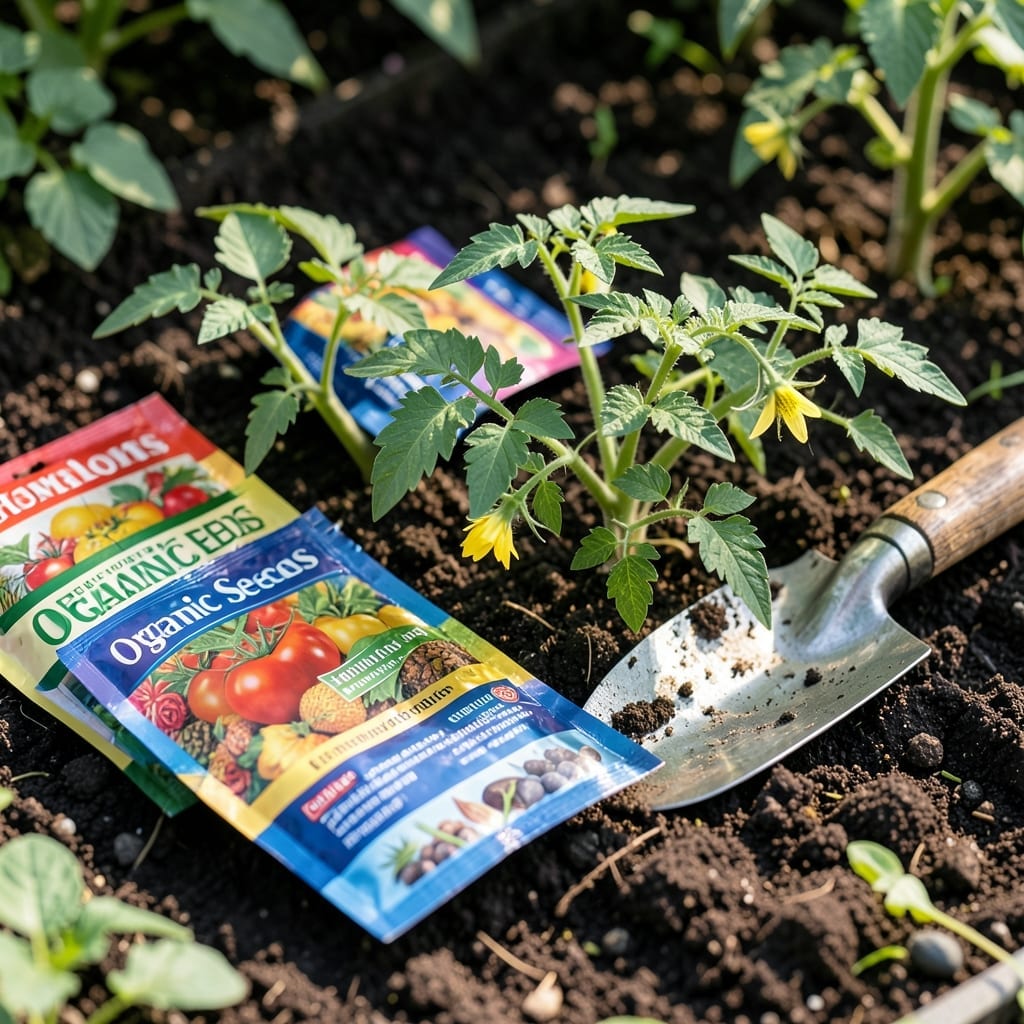
Timing is everything when growing 🌱 Seeds in South Carolina. Our state’s humid subtropical climate offers unique windows that can make or break your garden.
Plant too early and frost might claim your crop. Plant too late and the summer heat could stunt growth. The difference between success and disappointment often comes down to a few weeks.
In zones 7b-8a, the ideal planting windows are March through May and again in late summer. These periods avoid the extremes while giving Seeds the best chance to thrive.
I’ll share the exact timing strategies that work for South Carolina gardeners, so you can plant with confidence and enjoy a bountiful harvest.
South Carolina’s USDA hardiness zones range from 7a to 8b, giving gardeners a long growing season. This diversity means your planting timing depends on your exact location within the state.
The last frost date varies significantly, from March 15 in coastal areas to April 15 in the upstate. These dates are crucial for determining when to start your seeds safely.
| Region | USDA Zone | Last Frost Date | Seed Starting Window |
|---|---|---|---|
| Coastal SC | 8b | March 15 | Feb 15 – March 30 |
| Piedmont | 7b-8a | April 1 | March 1 – April 15 |
| Upstate | 7a | April 15 | March 15 – May 1 |
In coastal areas, I recommend starting warm-season crops like tomatoes and peppers indoors 6-8 weeks before the last frost. This gives them a head start.
For the Piedmont region, cool-season crops like lettuce and spinach can go directly in the ground 4-6 weeks before your last frost date.
The upstate’s higher elevation means cooler temperatures persist longer. Here, I wait until mid-April to plant most warm-season seeds outdoors.
Remember that soil temperature is just as important as air temperature. Most seeds need soil temps above 50°F to germinate properly.
I always use a soil thermometer to check conditions before planting. It’s a small investment that prevents many disappointments.
South Carolina’s long growing season allows for successive planting. After harvesting early crops, I can plant another round of seeds for a second harvest.
For fall gardens, I count backward from the first frost date. Most cool-season crops need 6-8 weeks to mature before cold weather sets in.
This approach ensures I maximize my garden’s productivity throughout the year 🌱
South Carolina’s climate lets us grow an amazing variety of crops year-round. I’ve found that cool-season seeds like lettuce, spinach, and kale thrive when planted in early spring or late summer. These plants love the milder temperatures.
For warm-season crops, think tomatoes, peppers, and beans. These need to go in the ground only after the last frost date, which is typically April 15 in most of the state. This timing ensures they won’t be damaged by a late cold snap.
I always remind fellow gardeners that soil temperature is just as important as air temperature. For example, tomato seeds need soil that’s at least 60°F to germinate properly. A simple soil thermometer can save you a lot of guesswork.
Don’t overlook succession planting for continuous harvests. I plant a new batch of bush beans every 2 weeks during the growing season. This way, I’m not overwhelmed with a huge harvest all at once.
If you’re new to gardening in South Carolina, start with easy-to-grow seeds like radishes or green beans. They’re forgiving and give quick results, which is great for building confidence. Radishes can be ready in as little as 25 days!
Remember, our long growing season means you can experiment with second plantings of many crops. After harvesting spring peas, I often plant summer squash in the same spot for a productive rotation. Crop rotation helps keep the soil healthy and reduces pest problems.
☀️