
Beautiful Plants For Your Interior
Beautiful Plants For Your Interior
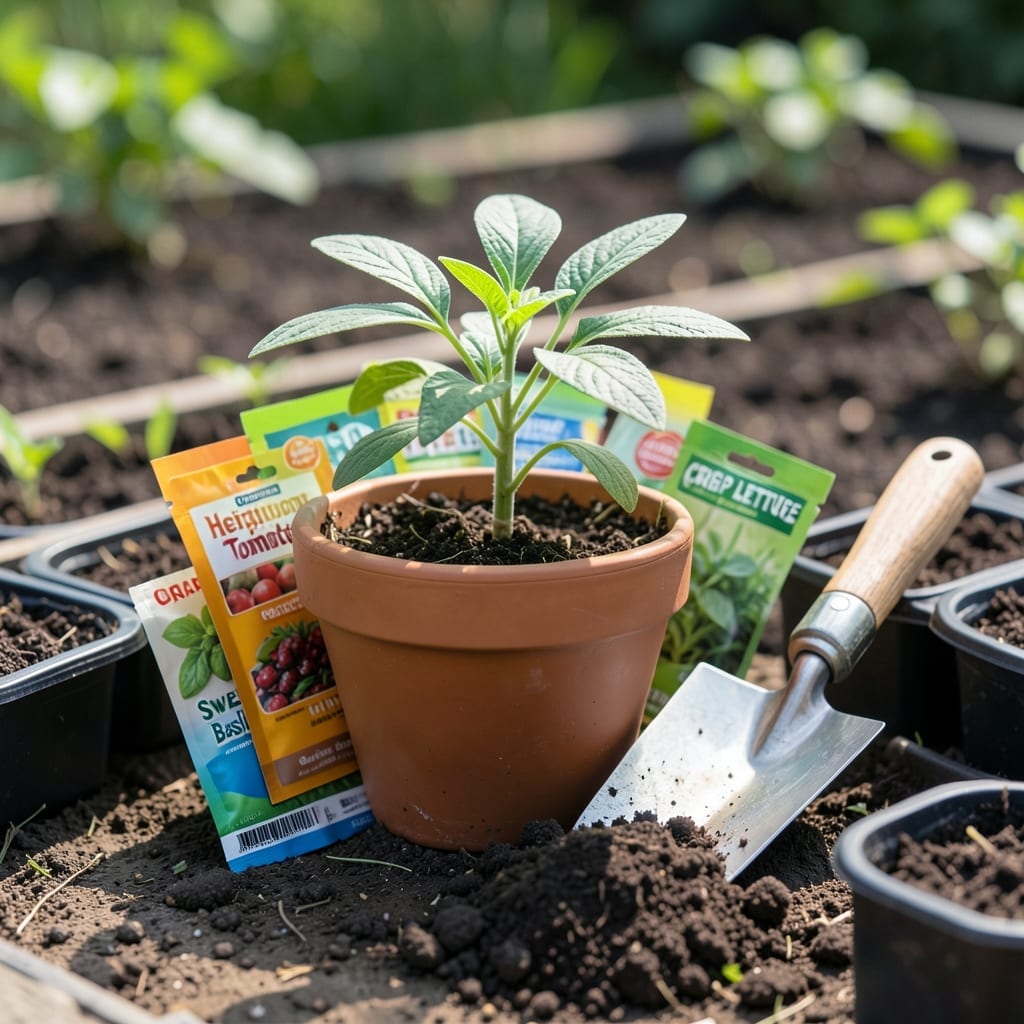
Timing is everything when planting General Seeds in Pennsylvania—plant too early and frost may kill your seedlings, but wait too long and you’ll miss the growing season.
I’ve learned the hard way that 6b zone gardeners need to watch the calendar carefully. The difference between a thriving garden and a disappointing one often comes down to just a few weeks.
Whether you’re starting cool-season crops in early spring or warm-season varieties after the last frost, knowing your planting windows is the key to success.
Let me walk you through the exact timing that works for General Seeds in PA, so you can plant with confidence and maximize your harvest.
Pennsylvania spans USDA zones 4-7, meaning your exact planting window depends on where you live. I always check my specific zone because last frost dates vary dramatically from Erie to Philadelphia.
The average last frost in PA ranges from April 15 in zone 6 to May 15 in cooler zone 4 areas. This date is your green light for warm-season crops like tomatoes and peppers.
| Zone | Last Frost | First Frost | Frost-Free Days |
|---|---|---|---|
| 4 | May 15 | September 15 | 120 |
| 5 | May 1 | October 1 | 150 |
| 6 | April 15 | October 15 | 180 |
| 7 | April 1 | November 1 | 210 |
For cool-season crops like lettuce and spinach, I start seeds 4-6 weeks before the last frost. These plants thrive in cooler temperatures and can even tolerate light frosts.
In zone 6b where I garden, I’ve found mid-March is perfect for starting broccoli and cabbage indoors. By the time they’re ready to transplant, the soil has warmed enough to prevent shock.
The soil temperature is just as important as air temperature. Most seeds need at least 50°F soil to germinate properly. I use a soil thermometer to check before planting.
For warm-season crops, wait until soil reaches 60-70°F. In my experience, beans and corn planted too early will just rot in the cold, damp soil.
Pennsylvania’s fall planting window is often overlooked. I plant kale and radishes in late August for a bountiful fall harvest before the first frost hits.
Remember that microclimates can create variations even within the same zone. Urban areas and south-facing slopes tend to warm up faster in spring. I’ve seen 2-week differences in planting times just between different parts of my own yard.
Always check your local weather forecast as frost dates are averages. I keep a garden journal to track my planting dates and how they correlate with actual weather patterns each year. 🌱
Timing your seed planting in Pennsylvania means working with two distinct seasons. I start cool-season crops in early spring and late summer for fall harvests.
For March planting, focus on peas, spinach, and lettuce. These thrive in 40-60°F soil and can handle light frosts, making them perfect for Pennsylvania’s unpredictable spring weather.
In April, I transition to direct sowing root vegetables like carrots and beets. These need consistent moisture to germinate, so I keep the soil evenly damp.
By May, it’s time for warm-season crops. I plant tomatoes, peppers, and cucumbers only after the soil has warmed to at least 60°F. A soil thermometer is my best tool here.
Don’t forget succession planting! I sow bush beans every 2 weeks through July for continuous harvests. This technique works especially well with fast-growing crops like radishes and lettuce.
For fall crops, timing is critical. I plant kale and spinach in late August to give them enough time to mature before the first frost. These cool-season crops actually taste sweeter after a light frost. 🌱