
Beautiful Plants For Your Interior
Beautiful Plants For Your Interior
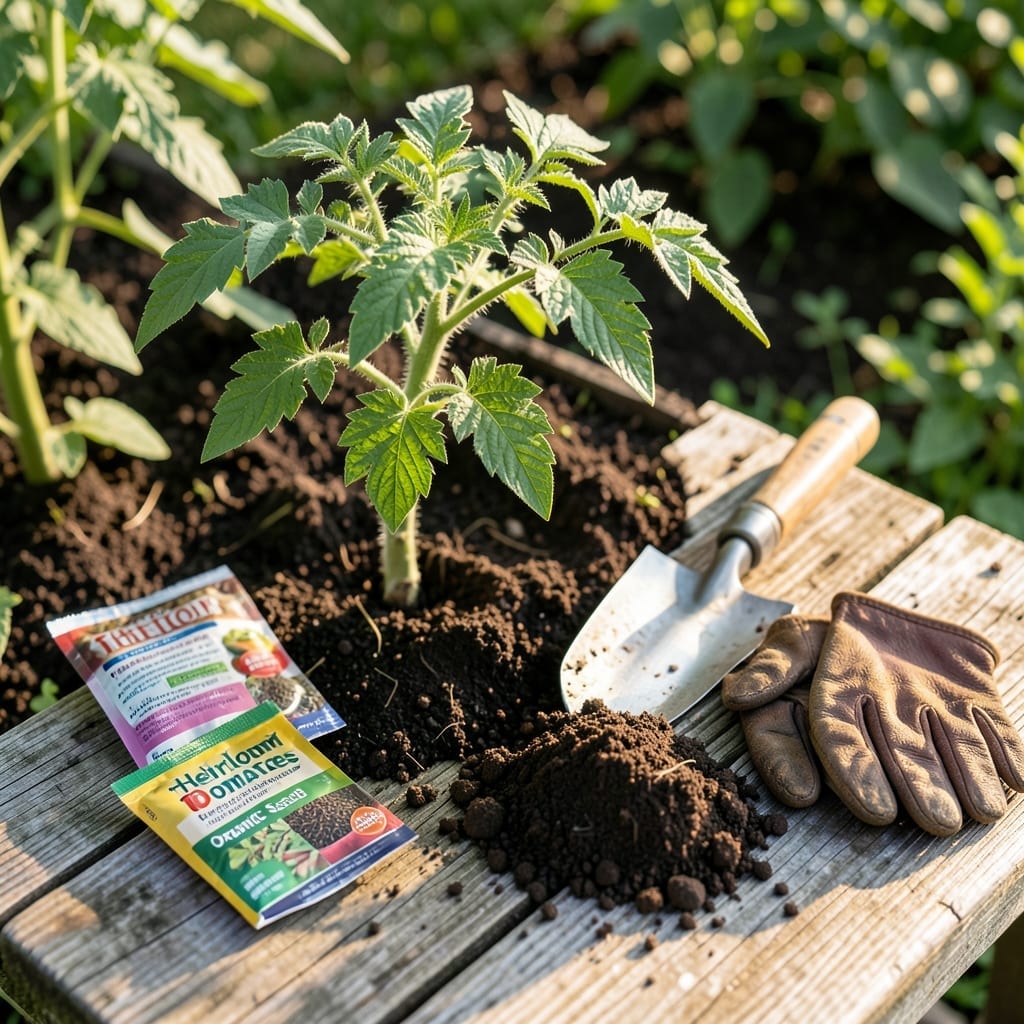
Timing is everything when planting General Seed in Maryland, where the state’s diverse hardiness zones dictate when to sow for a thriving garden.
Plant too early or too late, and you risk losing your crop to frost or heat. I’ve learned the hard way that spring and fall windows are non-negotiable here.
Whether you’re in zone 7a or another part of the state, knowing the right schedule can make or break your harvest. The good news? It’s simpler than you think.
Let me show you exactly when to get those seeds in the ground for the best results—no guesswork required.
Maryland spans USDA zones 6 to 8, each with unique frost dates that shape your planting calendar. In zone 6, the last frost typically hits around April 15, while zone 8 can start seeds earlier. 🌱
I’ve found that soil temperature matters as much as air temperature. Most warm-season crops like tomatoes need soil at 60°F or warmer, while cool-season crops like lettuce thrive in 40-50°F soil. 🌿
| Zone | Last Frost Date | First Frost Date | Spring Planting | Fall Planting |
|---|---|---|---|---|
| 6 | April 15 | October 15 | Mid-April to May | Late July to August |
| 7 | April 10 | October 20 | Early April to May | Late August to September |
| 8 | March 25 | November 1 | Late March to April | September to October |
For spring planting, start cool-season crops like peas and spinach 4-6 weeks before the last frost. These thrive in cool weather and can tolerate light frosts. ✂️
Once the soil warms, it’s time for warm-season crops like beans, corn, and cucumbers. I always check the soil temperature with a thermometer to be sure it’s at least 60°F for these. ☀️
In fall, the window is tighter. Plant fast-maturing crops like radishes and lettuce 6-8 weeks before the first frost. This gives them time to mature before cold sets in. 🌡️
I’ve had great success with succession planting in Maryland. After harvesting early spring crops, I replant with summer varieties to maximize my garden’s productivity. 🌻
Remember that microclimates can affect these dates. Urban areas or spots near buildings may stay warmer, allowing for earlier planting or later harvests. Always observe your specific conditions. 🌿
For the best results, I recommend using a soil thermometer and keeping a garden journal to track your local frost dates and plant performance year to year. This data is invaluable for fine-tuning your schedule. 🌱
In Maryland’s zones 6-8, timing your seed planting is crucial for success. I always check the last frost date—April 15 for zone 7a—to avoid cold damage. Cool-season crops thrive when sown early spring or late summer.
Warm-season varieties need soil temps above 60°F, which typically happens in mid-May. I’ve found that following these windows prevents many common issues.
For zone 6, I adjust these dates 2 weeks later in spring and 2 weeks earlier in fall. This small shift makes a big difference in avoiding frost damage.
Zone 8 gardeners get a head start—sow warm-season seeds as early as late April. I recommend using a soil thermometer to confirm temperatures before planting.
Remember, seed packets often provide zone-specific advice. I always cross-reference these with my local extension office recommendations for best results.
With this schedule, I’ve seen higher germination rates and healthier plants. The key is consistency and paying attention to your specific microclimate. 🌿