
Beautiful Plants For Your Interior
Beautiful Plants For Your Interior
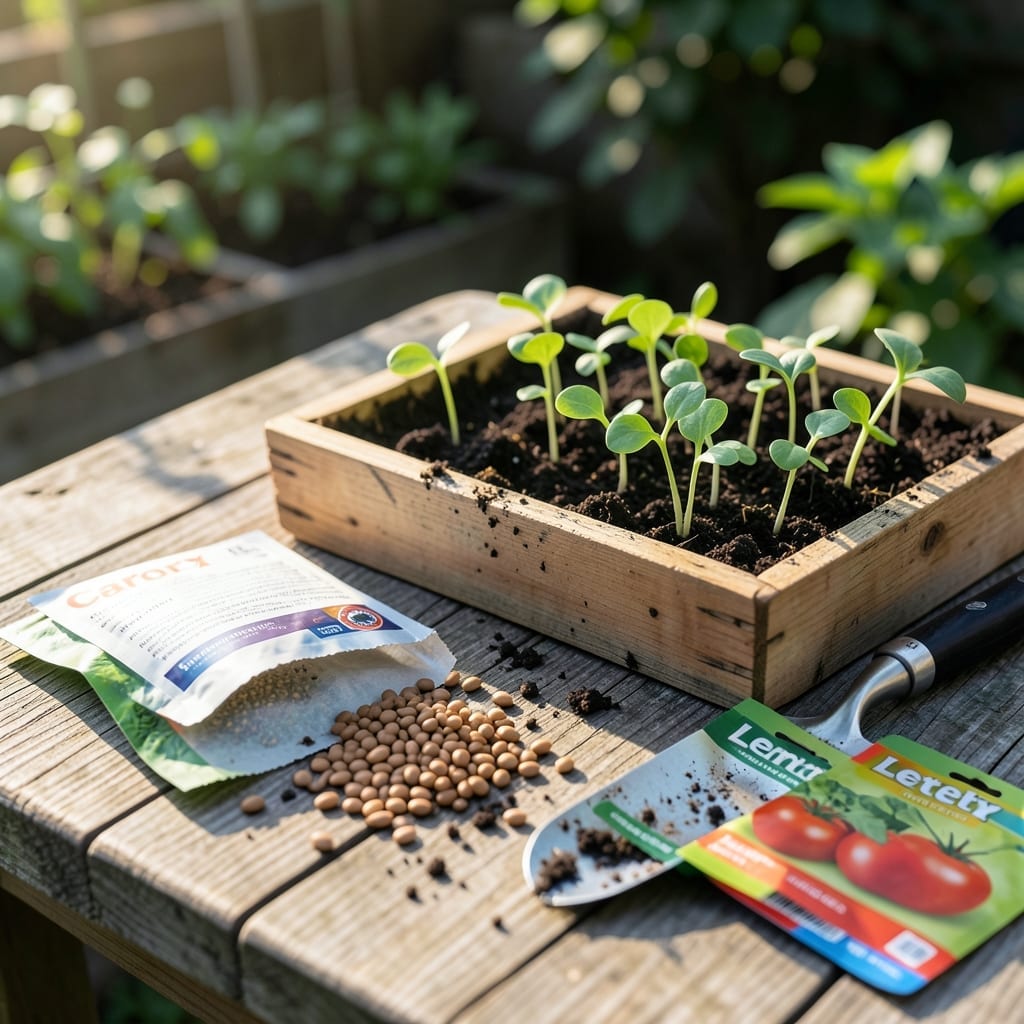
Maine’s short growing season and unpredictable weather can make seed planting a real challenge. But timing it right means the difference between a thriving garden and a disappointing harvest.
I’ve learned that understanding your local climate zones is the key to success with 🌱 Seeds in this region. With USDA zones ranging from 3a-5b, the window for planting is tight but workable.
This guide helps you navigate those unique conditions to plant at the perfect moment. Whether you’re in coastal or inland areas, we’ll cover the specifics.
Discover how to make the most of your growing season, from frost dates to soil temperatures. Let’s get your garden off to the best start possible.
In Maine, your planting schedule hinges on USDA zones 3-6 and local frost dates. Coastal areas often have a longer growing season than inland regions, which can see frost as late as May 15.
I always start by checking my specific zone and last frost date. For most of Maine, the last spring frost occurs between May 1 and May 30, while the first fall frost arrives around October 15. This gives us roughly 150 frost-free days.
| Zone | Last Frost | First Frost | Planting Window |
|---|---|---|---|
| 3a-4a | May 15-30 | Sept 15-30 | Late May-June |
| 4b-5a | May 1-15 | Oct 1-15 | Mid April-May |
| 5b-6 | April 15-30 | Oct 15-30 | Early April-May |
For cool-season crops like peas and spinach, I plant as soon as the soil can be worked, often 4-6 weeks before the last frost. These hardy plants can tolerate light frosts and even thrive in cooler temps.
Warm-season crops like tomatoes and peppers need warmer soil, at least 60°F. I wait until after the last frost to plant these directly, or start them indoors 6-8 weeks earlier for a head start.
In coastal Maine, the ocean moderates temperatures, allowing for earlier planting. Here, I can often start cool-season crops in late March and warm-season crops in early May. Inland, I stick to the later dates.
Soil temperature is just as important as air temperature. I use a soil thermometer to check: 40-50°F for cool crops, 60-70°F for warm ones. Planting too early in cold soil can lead to poor germination and weak seedlings.
I also pay attention to microclimates in my garden. South-facing slopes warm up faster, while low-lying areas stay colder longer. Using row covers or cold frames can extend the season by a few weeks on either end.
For perennials and biennials, timing is more flexible. I plant these in early spring or early fall, giving them time to establish before extreme temperatures hit. Fall planting works well for garlic and some flower bulbs.
Remember, these are guidelines. I always check the weather forecast and adjust as needed. A late frost warning means I hold off on planting tender crops until the danger passes 🌱
In Maine, I’ve found that starting seeds indoors gives tender plants like tomatoes and peppers a crucial head start. Our short season means these warmth-lovers need 6-8 weeks indoors before transplanting. 🌱
For cool-season crops like peas, kale, and spinach, I skip the indoor phase. These hardy varieties thrive when direct sown into Maine’s cool spring soil as soon as it’s workable.
I always check my seed packets for specific timing, but generally, warm-season crops need that indoor boost. Maine’s last frost date varies, but mid-May is a safe bet for most areas. 🌿
For direct sowing, I wait until the soil temperature hits at least 50°F. A soil thermometer is my go-to tool for this. It’s a small investment that prevents big disappointments.
Don’t forget about flowers! I start marigolds and zinnias indoors for earlier blooms, but nasturtiums and sweet peas do beautifully when sown directly into the garden.
My rule of thumb: if the plant is frost-sensitive, start it indoors. If it can handle a light frost, it’s probably safe to sow directly. Simple as that! ✂️