
Beautiful Plants For Your Interior
Beautiful Plants For Your Interior
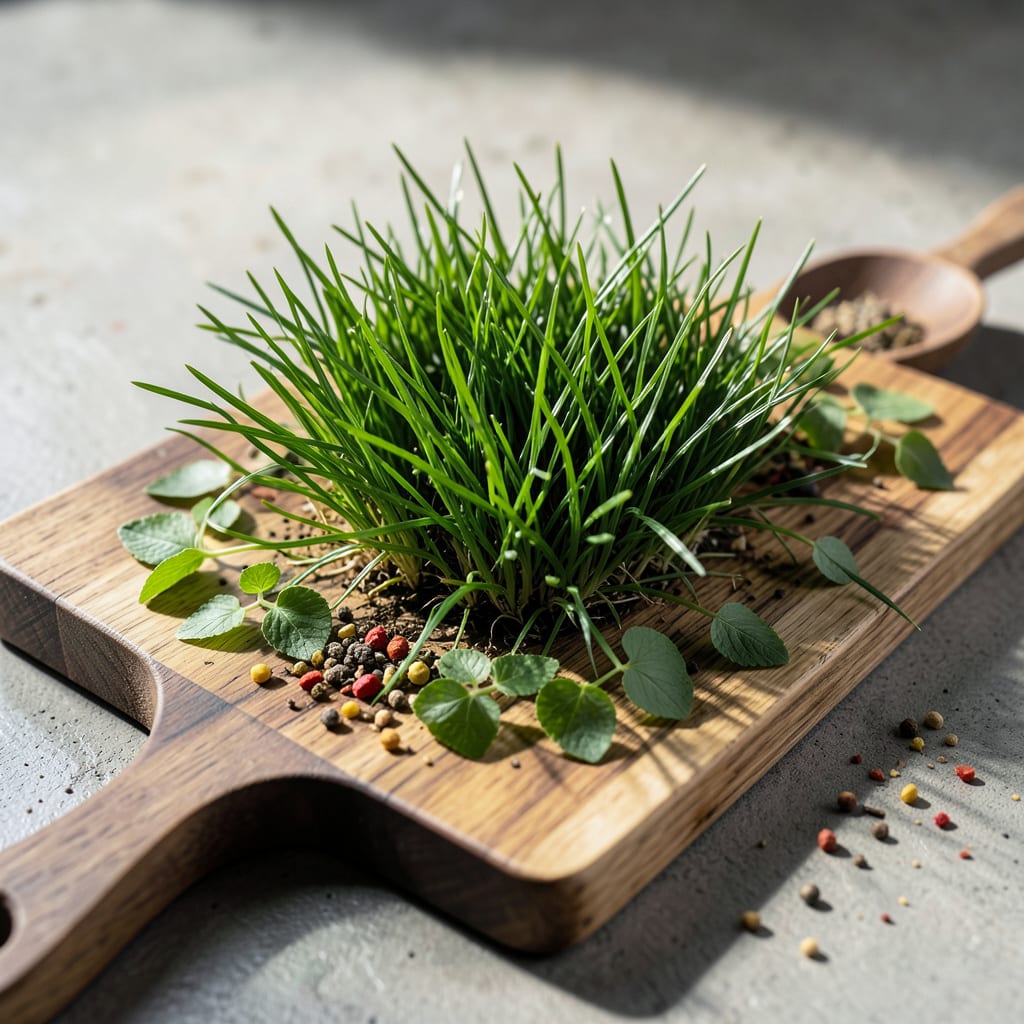
Planting Ryegrass 🌿 in Texas requires careful timing to achieve a lush, green lawn during the cooler months. The state’s varied climate zones make it tricky, but understanding the best planting windows can make all the difference.
In Texas, where USDA zones range from 7b to 9b, the ideal times to plant Ryegrass are in fall (September – November) or early spring (February – March). Let’s explore the specifics to get your lawn looking its best.
Planting ryegrass in Texas requires understanding the state’s varied climate zones. The ideal planting times differ across regions, from North to South Texas. Generally, the best times to plant are during the fall (September – November) or early spring (February – March) when temperatures are cooler 🌿.
Texas spans USDA zones 7b to 9b, meaning the last frost dates and first frost dates vary significantly across the state. For instance, in North Texas, the last frost date is around March 15, while in South Texas, it’s as early as February 15. Understanding these dates is crucial for successful ryegrass establishment.
The fall planting window is generally considered more reliable as it allows ryegrass to establish before winter. In the spring, ryegrass should be planted early enough to mature before the onset of summer heat. 🌾
Regional climate variations play a significant role in determining the success of ryegrass planting. For example, areas with milder winters like South Texas can support ryegrass for longer periods, while regions with colder winters like North Texas may require more careful planning.
Understanding these regional differences is key to choosing the best planting time. The summary table above provides a quick reference for different Texas regions.
When planning to plant ryegrass, it’s also important to consider soil temperature and moisture levels. Optimal soil temperatures for ryegrass germination are between 50°F and 65°F. 🔥
Pre-planting preparation is another critical factor. This includes soil testing, existing lawn management, and proper seeding techniques. Each of these steps contributes to successful ryegrass establishment.
For areas with warm-season grasses, overseeding with ryegrass can provide a green lawn during the winter months. This practice is common in Texas and can be highly effective with proper timing and care.
The duration of ryegrass growth in Texas depends on the region and planting time. Generally, ryegrass can thrive from fall through early spring, providing a lush, green lawn during the cooler months.
In conclusion, the best time to plant ryegrass in Texas varies by region but generally falls within the fall or early spring. By understanding your specific climate zone and
Successful ryegrass planting in Texas requires careful consideration of regional climate differences, soil conditions, and proper maintenance. By following these guidelines, you can enjoy a lush, green lawn throughout the cooler months.
Preparing your Texas lawn for ryegrass planting involves several critical steps that ensure successful establishment. First, it’s essential to assess your soil condition through proper testing to determine its pH level and nutrient content. 🌿
Soil preparation is crucial for ryegrass to thrive. This includes removing debris, leveling the ground, and amending the soil if necessary. For areas with heavy clay or compacted soil, consider aerating to improve drainage and root growth.
Conduct a soil test to determine pH and nutrient levels. Based on the results, adjust the soil accordingly.
Clear the area of debris and weeds to ensure good seed-to-soil contact.
Use a starter fertilizer high in phosphorus to promote root development.
Spread ryegrass seeds evenly across the prepared area. Use a slit seeder for best results.
Proper seeding techniques are vital for successful ryegrass establishment. Ensure good seed-to-soil contact by lightly raking the seeds into the soil. Maintain consistent moisture during the germination period, usually within 7-10 days. 🌾
Post-planting care is equally important. Keep the soil consistently moist during the first few weeks after seeding. Once established, gradually reduce watering to encourage deep root growth. Regular mowing and fertilization will help maintain a healthy and vibrant ryegrass lawn.
By following these essential steps, you can achieve a lush, green ryegrass lawn in Texas, enhancing your landscape during the cooler months. Successful ryegrass planting not only improves the aesthetic appeal of your lawn but also provides a resilient ground cover that can withstand moderate traffic.
For areas with existing warm-season grasses, overseeding with ryegrass is a common practice to maintain a green lawn year-round. This technique requires careful planning and execution to ensure the ryegrass and warm-season grasses coexist effectively.
In summary, preparing your Texas lawn for ryegrass planting involves careful soil preparation, proper seeding techniques, and attentive post-planting care. By adhering to these guidelines, you can enjoy a thriving ryegrass lawn throughout the cooler seasons.
To maintain a healthy ryegrass lawn in Texas, it’s essential to understand the specific care requirements during its growing season. Proper watering, mowing, and fertilizing are crucial for optimal growth and longevity 🌿.
Water your ryegrass deeply but infrequently to encourage deep root growth. Aim for about 1-2 inches of water per week, either from rainfall or irrigation.
Watering is a critical aspect of ryegrass care. During the establishment phase, keep the soil consistently moist but not waterlogged. Once established, reduce watering to about once a week, depending on weather conditions ⛅️.
Mowing practices also play a significant role in maintaining a healthy ryegrass lawn. Keep your mower blade at a height of 2-3 inches to promote healthy growth and prevent weed invasion. Regular mowing will help maintain an even appearance and encourage denser growth 🌱.
Fertilization is another key factor in ryegrass care. Apply a balanced fertilizer (e.g., 10-10-10 NPK) every 6-8 weeks during the growing season. This will provide essential nutrients for optimal growth and color.
As the weather begins to warm up in late spring, it’s time to start planning for the transition back to warm-season grasses. Gradually reduce watering and fertilization to help ryegrass go dormant. This transition period is crucial for maintaining a healthy lawn year-round 🔄.
By following these care tips, you can enjoy a lush, vibrant ryegrass lawn throughout the cooler months in Texas. Proper care not only enhances the aesthetic appeal of your lawn but also contributes to its overall health and resilience.
The ideal soil temperature for ryegrass germination is between 50°F and 65°F. This temperature range typically occurs during the fall (September – November) and early spring (February – March) in Texas, making these periods ideal for planting.
Keep the soil consistently moist during the first 7-10 days after seeding. Water lightly but frequently to maintain moisture. Once established, reduce watering to about 1-2 inches per week, either from rainfall or irrigation.
Yes, overseeding with ryegrass is a common practice in Texas to maintain a green lawn during the winter months. Ensure proper soil preparation and seeding techniques for successful establishment. This method allows you to enjoy a lush, green lawn year-round.
As the weather warms up in late spring, gradually reduce watering and fertilization to help ryegrass go dormant. This transition period is crucial for maintaining a healthy lawn year-round. Proper care during this time ensures a smooth transition back to your warm-season grasses.
