
Beautiful Plants For Your Interior
Beautiful Plants For Your Interior
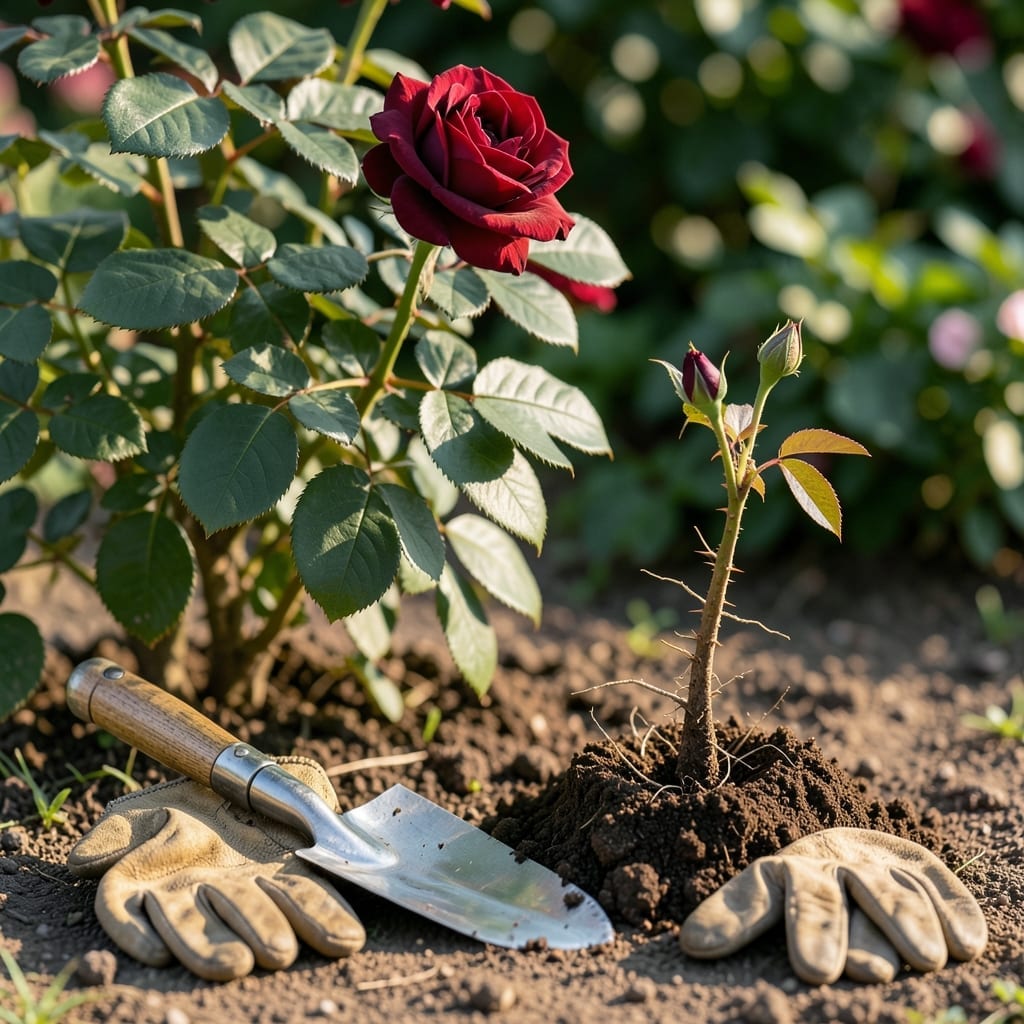
Timing is everything when it comes to planting 🌹 Roses. Get it right, and you’ll be rewarded with lush, vibrant blooms that thrive for years.
Plant at the wrong time, and you risk stunted growth or even losing your roses to harsh weather. I’ve seen both outcomes firsthand.
Discover how to choose the perfect moment for your climate, ensuring your garden bursts with color when it matters most.
Timing your rose planting perfectly depends on your USDA hardiness zone. In most areas, early spring or fall offers the best conditions for establishing strong roots before extreme weather hits.
I’ve found that cool temperatures and moist soil help roses settle in without stress. Avoid planting during peak summer heat or winter freezes, as these can shock the plants.
| Climate Zone | Best Planting Time | Soil Condition |
|---|---|---|
| Zones 3-5 | Early spring (after last frost) | Workable, thawed |
| Zones 6-7 | Spring or fall | Moist, not soggy |
| Zones 8-10 | Fall to winter | Cool, well-drained |
In colder zones like 3-5, spring planting is ideal because it gives roses a full growing season to establish before winter. I recommend aiming for April or May, just after the last frost date.
For moderate zones 6-7, you have more flexibility. Both spring and fall work well, but fall planting often results in stronger roots by springtime. Just ensure the soil stays consistently moist after planting.
In warmer zones 8-10, fall to winter is the sweet spot. The cooler weather reduces stress, and the roses can focus on root growth. Avoid planting during summer’s peak heat, as this can lead to transplant shock.
No matter your zone, always check that the soil is workable and not waterlogged. Roses hate soggy roots, so well-draining soil is a must. I always amend heavy clay with compost for better drainage.
Another key tip: bare-root roses should be planted in early spring or fall, while container-grown roses can go in the ground almost any time except during extreme weather.
If you’re unsure about your zone, a quick USDA zone lookup will help. I also recommend checking local nursery advice, as microclimates can affect the best planting window.
Finally, always water deeply after planting and mulch to retain moisture. This gives your roses the best start, no matter when you plant them.
🌹Planting roses correctly sets the stage for healthy growth and abundant blooms. I always start by preparing the soil, as roses thrive in well-draining, nutrient-rich conditions. Loosen the soil to about 18 inches deep and mix in compost.
Next, dig a hole that’s twice as wide and just as deep as the root ball. This gives the roots plenty of room to spread out. If you’re planting bare-root roses, soak them in water for 1-2 hours before planting to hydrate the roots.
When placing the rose in the hole, ensure the graft union (the swollen area near the base) is 2-3 inches below the soil level. This protects it from frost damage and encourages strong root growth. For container-grown roses, gently remove the pot and loosen the roots.
After planting, water deeply to settle the soil and eliminate air pockets. I recommend using 2-3 gallons of water per rose. Then, apply a 2-3 inch layer of mulch around the base to retain moisture and suppress weeds.
Space your roses according to their mature size. For hybrid teas, allow 3-4 feet between plants. Shrub roses need 4-6 feet, while climbing roses should be spaced 6-8 feet apart to ensure good air circulation.
Finally, keep the soil evenly moist for the first few weeks. Avoid overwatering, as soggy soil can lead to root rot. With proper care, your roses will establish quickly and reward you with stunning blooms for years to come. 🌹