
Beautiful Plants For Your Interior
Beautiful Plants For Your Interior
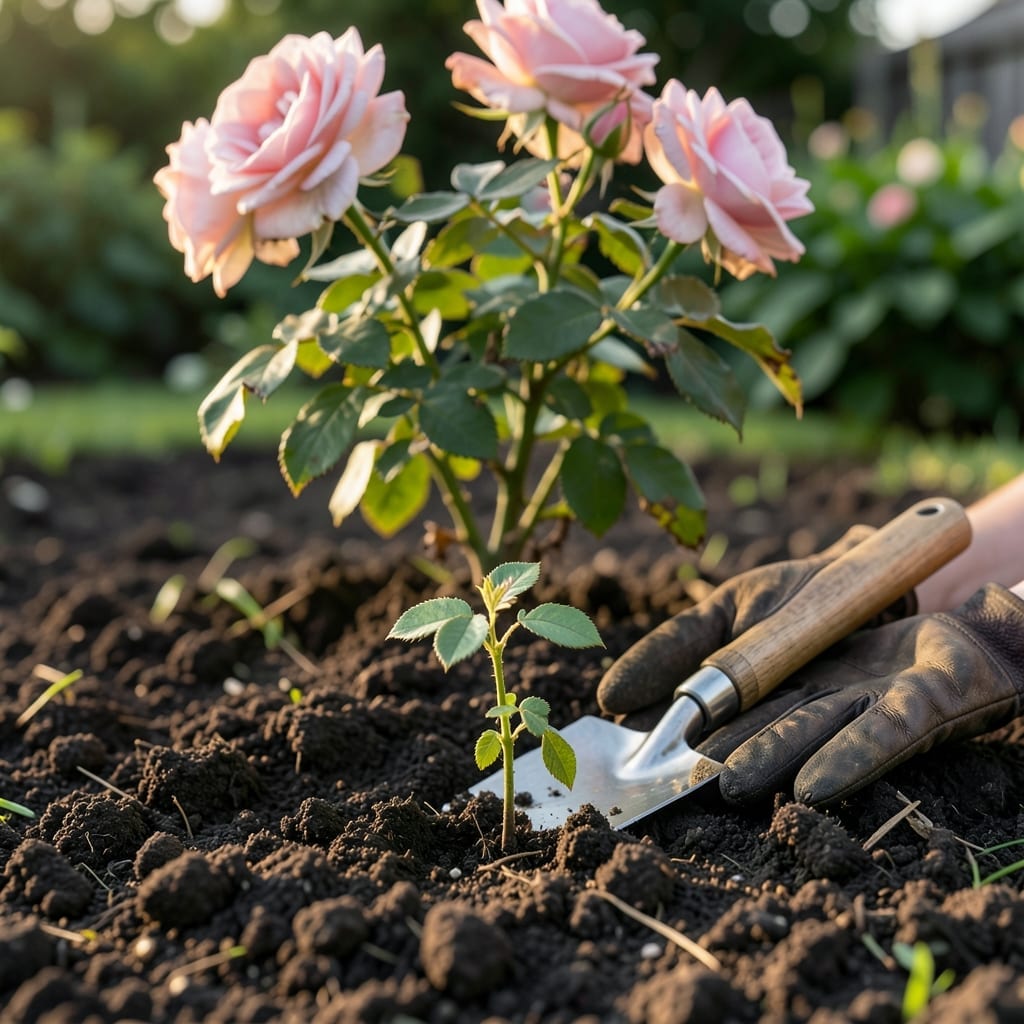
Timing is everything when planting roses in North Carolina, where the state’s diverse climate zones can make or break your garden’s success.
Get it right, and you’ll enjoy vibrant 🌹 blooms for years to come. Whether you’re in the coastal plains or the mountain foothills, understanding your local conditions is the key.
I’ve seen gardeners struggle with wilted plants simply because they missed the optimal window. The good news? With a little insight, you can avoid those pitfalls entirely.
Discover the best times to plant and how to set your roses up for thriving growth in our state’s unique environment.
North Carolina’s diverse climate zones mean planting times vary. From the coastal plains to the mountain regions, timing can impact your roses’ success. I’ve found the key is aligning with frost dates and temperature patterns. 🌹
In the coastal areas, mild winters allow for early spring planting as soon as February. The Piedmont region is best from March to April or September to October. For the mountains, wait until late April or early fall. 🌿
| Region | Best Planting Time | Notes |
|---|---|---|
| Coastal | Feb-Mar or Sep-Oct | Mild winters, early start |
| Piedmont | Mar-Apr or Sep-Nov | Avoid summer heat |
| Mountains | Apr-May or Sep-Oct | Later spring, early fall |
For bare-root roses, I always plant in early spring or fall. This gives roots time to establish before extreme temperatures hit. Container-grown roses offer more flexibility and can go in the ground anytime during the growing season. ✂️
The last frost date in most of NC is around April 15, but in the mountains, it can be as late as May 1. Planting after the last frost ensures your roses won’t be damaged by late cold snaps. Always check your local frost dates for precision. 🌡️
In eastern NC, the growing season is longer, so you can plant roses a bit earlier. The western mountains have a shorter season, so fall planting is often ideal. I’ve seen the best results when roses are planted 6 weeks before the first frost. 🌱
Fall planting has advantages: cooler temperatures reduce transplant shock, and roots establish well before winter. Just ensure you plant at least 6 weeks before the first frost, which is around November 1 in most of the state. This timing allows roses to settle in before dormancy. 🌷
If you’re in the Piedmont, like Raleigh or Charlotte, aim for March to April or September to October. The summer heat can stress new plants, so avoid planting in July or August. I’ve learned this the hard way—heat stress can stunt growth. ☀️
For coastal gardeners in Wilmington or the Outer Banks, the ocean moderates temperatures, allowing for year-round planting in some cases. However, I recommend sticking to spring and fall for the best results. The sandy soil common here drains quickly, so amend with organic matter. 💧
In the mountains, like Asheville, the higher elevation means cooler temps. Plant roses in late April to May or early September. The shorter growing season means timing is critical. I’ve found that container roses work best here for flexibility. 🪴
Preparing your soil is the foundation for healthy roses in North Carolina. I always start with a soil test to check pH and nutrient levels. Roses thrive in slightly acidic soil with a pH of 6.0 to 6.5, which is common in many NC regions. 🌱
If your soil is too alkaline, sulfur or peat moss can help lower the pH. For clay-heavy soil in the Piedmont, I mix in compost or sand to improve drainage. Coastal sandy soils may need organic matter to retain moisture. ✂️
I’ve found that raising the bed slightly helps with drainage, especially in low-lying areas. Roses hate wet feet, so ensure the planting site doesn’t hold water after rain. A 3-inch mulch layer after planting keeps roots cool and moist. 🌿
For bare-root roses, I soak the roots in water for 12 hours before planting. This gives them a head start in establishing. Container-grown roses can go in anytime, but spring or fall is still ideal. 🌹
Don’t forget to space plants properly—3 to 4 feet apart for hybrid teas and 4 to 6 feet for climbers. This ensures good air circulation, which prevents fungal diseases like black spot. ☀️
Finally, water deeply after planting to settle the soil and remove air pockets. I use a slow drip method to avoid washing away the soil around the roots. This step is critical for long-term success. 💧