
Beautiful Plants For Your Interior
Beautiful Plants For Your Interior
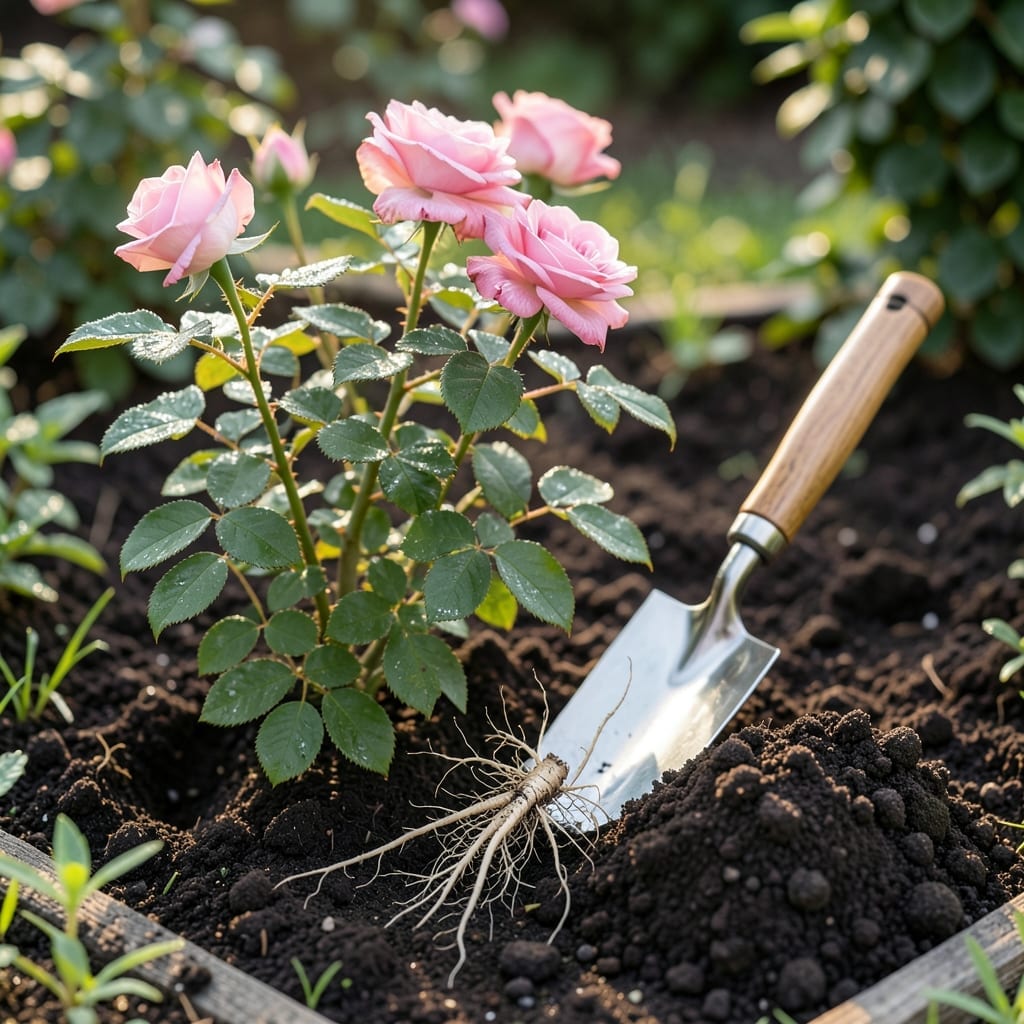
Timing is everything when planting Roses in New York’s unpredictable climate. Plant too early or late, and your blooms could suffer.
Discover the exact windows for bare-root, potted, and container 🌹 to ensure vibrant, healthy flowers all season long.
I’ve tested various planting schedules in zones 6a-7b, and what I’ve learned will save you from common mistakes. Whether you’re in the city or upstate, timing makes all the difference.
Let me show you how to get it right the first time. With these insights, you’ll enjoy thriving blooms from May through October.
New York’s diverse climate zones (3-7) mean planting times vary. In zone 6a-7b, which covers most of NYC and Long Island, timing is critical for healthy rose bushes that thrive.
I’ve found that bare-root roses do best when planted in early spring or early fall. This gives roots time to establish before extreme temperatures hit.
| Rose Type | Best Planting Time | Key Notes |
|---|---|---|
| Bare-Root | April-May or Sept-Oct | Plant after last frost (Apr 15) or 6 weeks before first frost (Oct 15) |
| Potted Roses | April-June | Can plant later in spring as roots are established |
| Container Roses | Year-Round | Protect from freezing temps in winter |
For bare-root roses, I always wait until soil is workable. In upstate NY (zone 3-5), this might be late April, while NYC gardeners can start mid-March in mild years.
The fall planting window is equally important. Aim for September to early October to give roots 6 weeks before the ground freezes. This timing works across all NY zones.
Potted roses offer more flexibility. Since they’re already growing, I’ve successfully planted them as late as early summer. Just be sure to water deeply during those hot July days.
For container roses, the rules change. You can plant anytime, but winter requires protection. I move my potted roses to a sheltered spot or wrap containers in burlap when temps drop below 20°F.
New York’s microclimates add complexity. Coastal areas like Long Island have milder winters, while upstate regions face harsher conditions. Always check your local frost dates for precision.
I’ve learned that soil temperature matters as much as air temperature. Roses need soil above 40°F to establish well. A soil thermometer is my go-to tool for accuracy.
Remember, spring planting gives you summer blooms, while fall planting establishes roots for next year’s spectacular display. Both windows work well in NY’s climate when timed right.
In my experience, April and September are the golden months for NY rose planting. These windows avoid both late frosts and summer heat stress that can hinder establishment 🌹
After planting your roses in NY, proper care ensures they thrive. I always start with deep watering to help roots settle. This is especially crucial during NY’s humid summers when moisture evaporates quickly.
In urban areas, wind can be a challenge. I use windbreaks or plant near fences to shield my roses. This protects delicate blooms from drying out or physical damage.
Mulching is non-negotiable in NY. I apply a 2-3 inch layer of organic mulch around the base. This keeps roots cool in summer and insulated in winter.
For container roses, I’m extra vigilant. I check soil moisture daily in summer and move pots to shadier spots during heatwaves. In winter, I wrap containers in burlap and add extra mulch.
NY’s microclimates demand attention. In coastal areas, I watch for salt spray damage. In upstate regions, I prepare for late frosts that can surprise even in May.
I’ve found that morning watering works best. It allows foliage to dry before evening, reducing fungal disease risk in our humid climate. A drip irrigation system is my secret weapon for consistent moisture.
Finally, regular inspections catch problems early. I check for pests like aphids and disease signs weekly. Early intervention keeps my NY roses healthy and blooming all season 🌹