
Beautiful Plants For Your Interior
Beautiful Plants For Your Interior
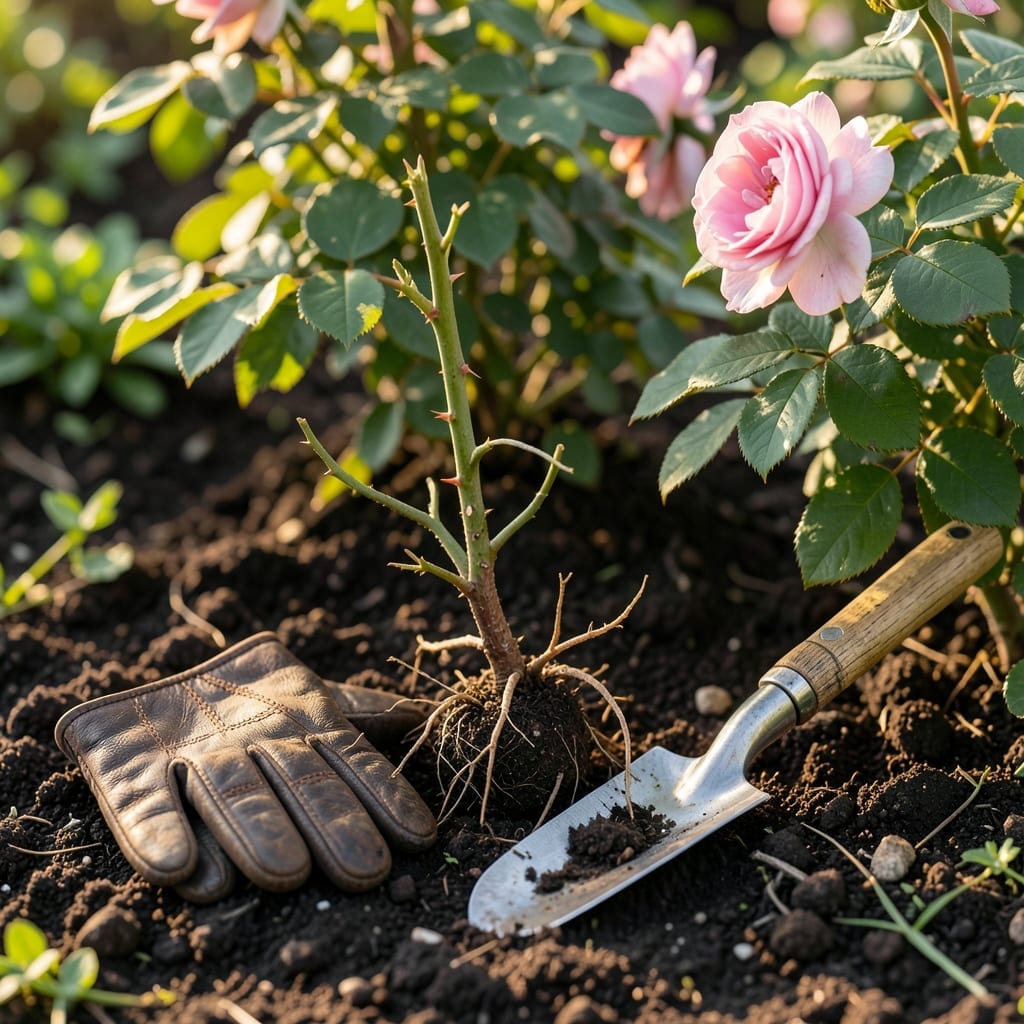
Timing is everything when planting Rose 🌹 in Nebraska’s Zone 5b climate, where harsh winters and hot summers demand precision. Plant too early or too late, and your blooms may struggle to thrive.
I’ve seen gardeners make this mistake year after year, but the right timing makes all the difference. Whether you’re a seasoned green thumb or just starting out, knowing the best windows ensures strong roots and vibrant growth.
In Nebraska, the spring months of April and May are prime for planting, giving your roses time to establish before summer’s heat. But there’s more to it than just the calendar.
Discover how to align your efforts with the climate and set your garden up for success. Let’s dig into the details.
Nebraska’s Zone 5 climate offers two ideal windows for planting roses. The spring window from mid-April to May is prime, as soil temps reach 50-60°F after the last frost. This timing allows roots to establish before summer heat arrives.
For those who miss spring, early fall from September to October works well. Planting 6 weeks before the first frost gives roots time to settle before winter dormancy. Both windows avoid extreme temperatures that stress young plants.
| Planting Window | Soil Temp | Frost Consideration | Root Establishment |
|---|---|---|---|
| Spring (April-May) | 50-60°F | After last frost | Before summer heat |
| Fall (Sept-Oct) | 55-65°F | 6+ weeks before first frost | Before winter dormancy |
I always recommend spring planting for beginners. The warmer soil and longer growing season give roses a stronger start. Plus, you’ll enjoy first blooms the same year with proper care.
For fall planting, focus on container-grown roses. They adapt better than bare-root plants to cooler temps. Water deeply after planting to help roots settle before the ground freezes.
Nebraska’s clay-heavy soil can be challenging. I amend planting holes with compost and peat moss to improve drainage. This is especially crucial in spring when rains are frequent.
Watch the weather forecast closely. A late spring frost can damage new growth. If cold temps are predicted, protect young plants with frost cloth or mulch until the threat passes.
For fall planting, avoid late October. Roses need 4-6 weeks to establish roots before winter. Plant too late, and they may not survive the cold.
I’ve found hybrid tea roses and shrub roses perform best in Nebraska. They’re cold-hardy and tolerate the state’s temperature swings. Avoid tropical varieties that need warmer zones.
After planting, apply a 2-3 inch layer of organic mulch. This retains moisture, suppresses weeds, and insulates roots. In winter, add extra mulch for protection against freeze-thaw cycles.
Remember, consistent watering is key the first year. Aim for 1-2 inches of water weekly, more during hot spells. Morning watering prevents fungal issues that thrive in evening dampness.
Spring planting in Nebraska offers warmer soil and a longer growing season, ideal for establishing strong roots. You’ll typically see first blooms the same year with proper care and timing.
Fall planting can also succeed if done 6 weeks before the first frost. This allows roots to establish before winter dormancy sets in.
I prefer spring planting for most gardeners because it’s more forgiving. The longer window gives roses time to recover from any planting shock before summer heat arrives.
Fall planting requires precise timing. Plant too late, and your roses won’t establish enough roots to survive winter. I always mark my calendar for early September as the latest safe planting date.
For container-grown roses, fall planting can work well. They’re already established, so they adapt better to cooler temperatures than bare-root plants.
Remember that watering needs differ between seasons. In spring, you’ll need to water more frequently as temperatures rise. In fall, focus on deep watering to encourage root growth before winter.
Nebraska’s clay soil can be particularly challenging in fall. I recommend amending with organic matter to improve drainage before the winter freeze.