
Beautiful Plants For Your Interior
Beautiful Plants For Your Interior
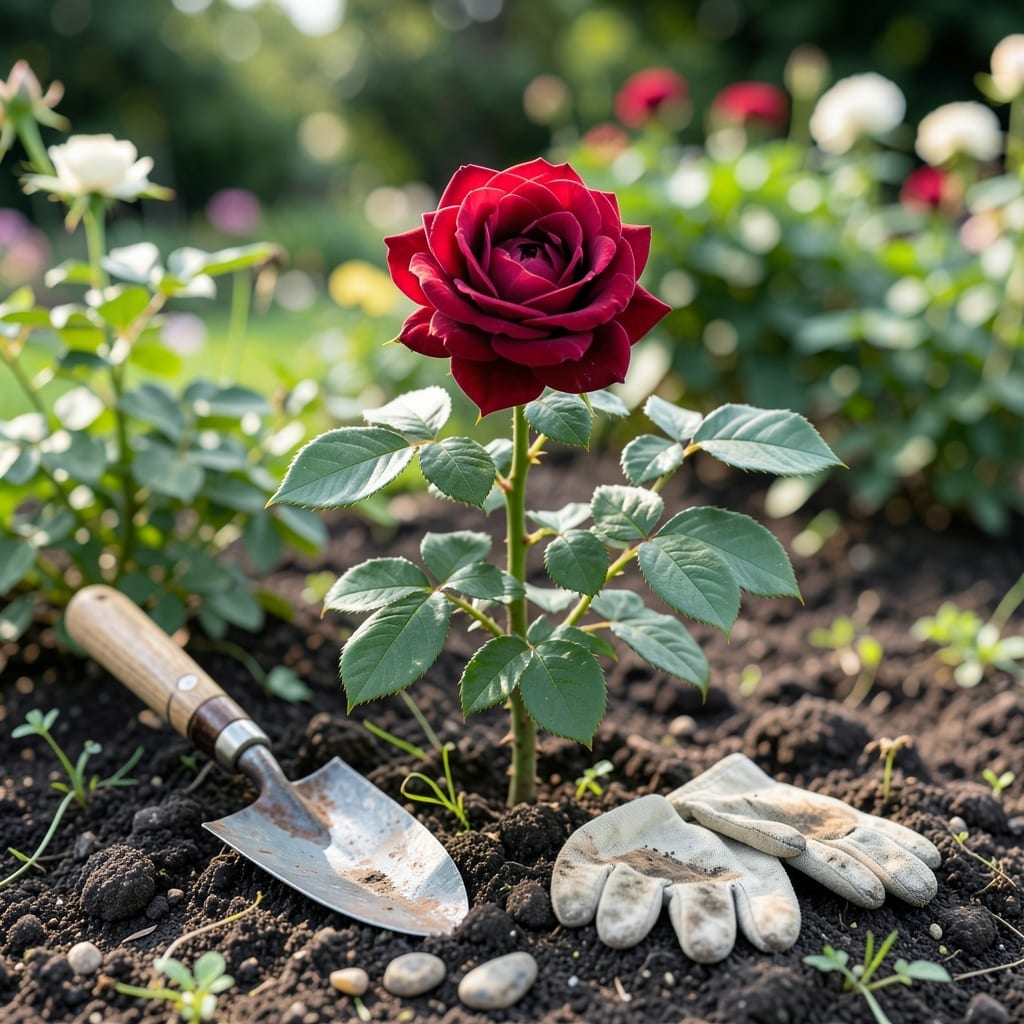
Timing is everything when planting Rose Bushes in Ohio, where unpredictable weather can make or break your blooms. The Buckeye State’s unique climate demands precision if you want vibrant, healthy 🌹 roses.
I’ve learned the hard way that planting at the wrong time leads to struggling plants. Whether you’re in zone 6a or another part of Ohio, getting the timing right ensures your garden thrives.
There are two prime windows to set your Rose Bush up for success. Miss these, and you might be fighting an uphill battle all season long.
Discover the exact months to plant for the best results—and why they matter more than you think. Let’s dig in.
Ohio’s USDA zones 5-6 create unique planting windows for rose bushes. The key is timing your planting to avoid late frosts in spring and early freezes in fall. I’ve found that April to May is ideal for most areas.
Spring planting allows roses to establish roots before summer heat. Fall planting, from September to early October, gives roots time to settle before winter. Both windows work, but spring is often more forgiving for beginners.
| Season | Optimal Months | Soil Temp | Notes |
|---|---|---|---|
| Spring | April-May | 50-60°F | After last frost |
| Fall | Sept-Oct | 50-60°F | 6 weeks before frost |
For spring planting, wait until the soil is workable and temperatures stay above 40°F at night. I always check the 10-day forecast to avoid surprise cold snaps. Bare-root roses do best planted early in spring.
Container-grown roses offer more flexibility. You can plant them anytime during the growing season, but I recommend avoiding the hottest summer months. The stress of extreme heat can shock new plantings.
In fall, timing is critical. Plant at least 6 weeks before the first expected frost, which is typically around October 15 in most of Ohio. This gives roots enough time to establish before winter dormancy.
I’ve learned that soil preparation matters as much as timing. Ohio’s clay-heavy soil benefits from compost or peat moss mixed in. Aim for a pH of 6.0-6.5, which is ideal for most rose varieties.
Watering deeply after planting helps settle the soil and eliminate air pockets. I use 2-3 gallons of water per bush initially, then maintain consistent moisture for the first few weeks. Mulching with 2-3 inches of organic material helps retain moisture.
For best results, plant roses where they’ll get at least 6 hours of sunlight daily. In Ohio, a southern or western exposure works best. Avoid low spots where cold air or water might collect.
Remember that microclimates exist even in the same yard. A spot near a south-facing wall might warm up faster in spring. I’ve seen roses thrive in these spots when they struggle elsewhere in the same garden.
Finally, don’t forget to harden off your roses if you’re transplanting from containers. A week of gradual exposure to outdoor conditions prevents transplant shock and gives your roses the best start in their new home. ☀️
Even with perfect timing, common mistakes can sabotage your rose bushes in Ohio. I’ve seen gardeners plant too late in fall, only to lose their roses to winter freeze. Avoiding these pitfalls ensures your blooms thrive year-round. 🌹
One major error is ignoring soil prep. Ohio’s clay-heavy soil needs amending with organic matter for proper drainage. Without this, roots can suffocate or rot, especially in wet springs.
⚠️ Avoid These Rose Planting Mistakes in Ohio
Planting too late in fall risks winter damage. Always finish 6 weeks before frost to let roots establish properly.
Another frequent issue is choosing the wrong variety. Not all roses handle Ohio’s cold winters well. I recommend cold-hardy types like Knock Out or Drift roses for beginners. These tolerate zone 5-6 conditions beautifully.
Overwatering is just as harmful as underwatering. New plantings need consistent moisture, but soggy soil leads to root rot. I water deeply once a week, adjusting for rainfall. Always check soil moisture 2 inches down before watering.
Many gardeners forget to harden off container-grown roses. Moving them directly from a nursery to the garden causes transplant shock. I gradually expose my roses to outdoor conditions over 7-10 days for best results.
Finally, poor placement can limit blooms. Roses need 6+ hours of sun daily. Avoid shady spots or areas with poor air circulation, which invites fungal diseases. A south-facing location with good airflow is ideal. ✂️