
Beautiful Plants For Your Interior
Beautiful Plants For Your Interior
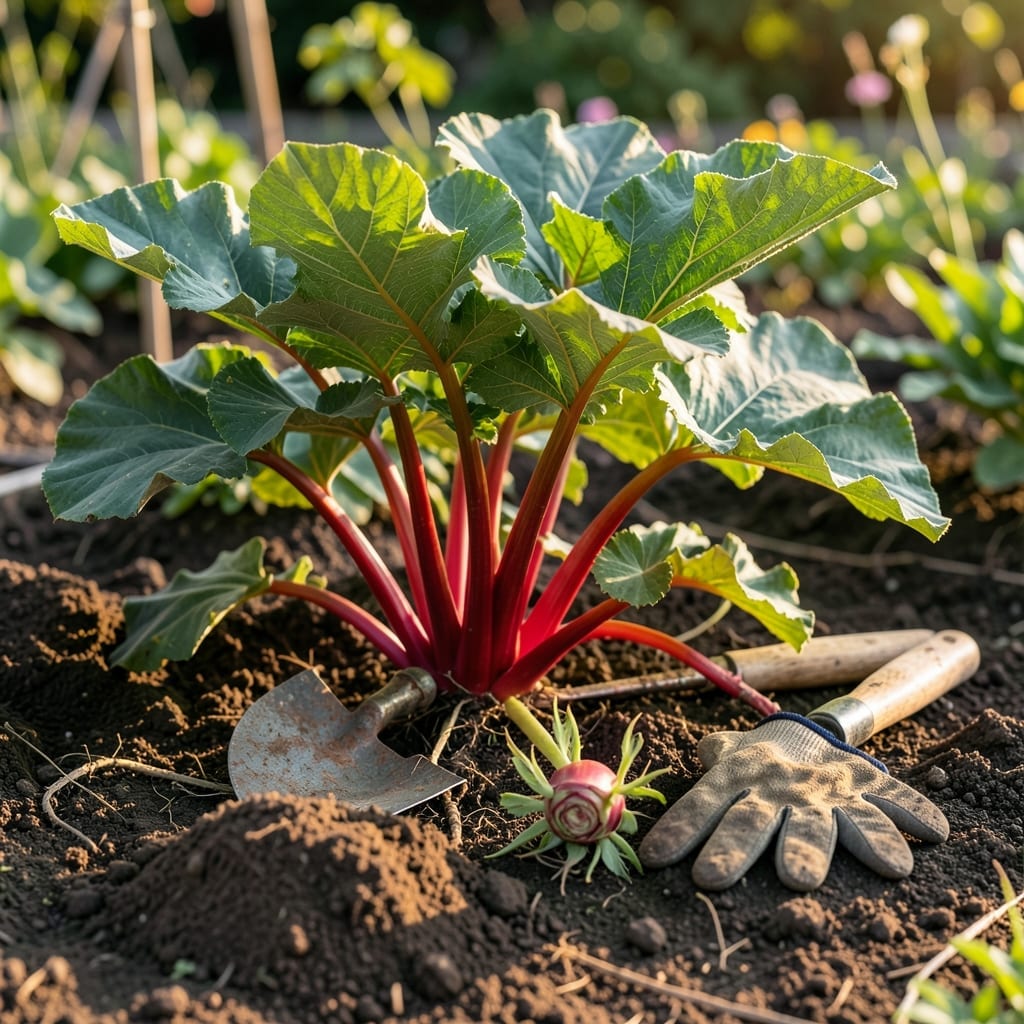
Timing is everything when planting Rhubarb 🌱 in Colorado’s unique high-altitude climate. Get it right, and you’ll enjoy years of bountiful harvests.
Our state’s unpredictable weather can make or break your crop. Knowing the most important planting window ensures your Rhubarb thrives despite frost and temperature swings.
I’ll walk you through the exact timing for zones 5b-6a, so you can plant with confidence. Early spring offers the best chance for success.
Discover how to align your planting with Colorado’s growing season and set your garden up for long-term abundance.
Colorado’s high-altitude climate demands precise timing for planting rhubarb. The ideal window is early spring, typically March to April, when soil temperatures reach 40-50°F. 🌱
In USDA zones 5b-6a, you’ll want to plant bare-root crowns or potted rhubarb about 4-6 weeks before the last frost date (around May 15). This gives roots time to establish before summer heat.
| Factor | Specification |
|---|---|
| Best Months | March, April |
| Soil Temp | 40-50°F |
| Last Frost | May 15 |
| Planting Depth | 1-2 inches below surface |
| Sunlight | 6-8 hours daily |
For high-altitude areas above 6,000 feet, wait until soil is workable—usually late April. The cold-hardy perennial can handle light frosts, but avoid planting during deep freezes.
I’ve found that bare-root crowns establish best when planted dormant in early spring. If using potted rhubarb, harden off plants for 1-2 weeks before transplanting. ☀️
Soil preparation is key. Rhubarb thrives in well-draining soil with a pH of 6.0-6.8. Amend heavy clay with compost or aged manure for better results.
In Denver’s zone 5b, aim to plant by mid-April. For Fort Collins (zone 5a), wait until late April to avoid late frosts. Colorado Springs (zone 6a) gardeners can start 2-3 weeks earlier. 🌿
Pro tip: Mulch heavily after planting to retain moisture and protect from temperature swings. Use straw or wood chips—never plastic, which can overheat roots.
Remember, rhubarb crowns need 3-4 feet of space between plants. They’ll grow 3-4 feet tall at maturity, so plan accordingly in your garden layout.
If you miss the spring window, you can plant in early fall (September), but this requires extra winter protection. I recommend spring planting for best results in Colorado’s climate. ✂️
Colorado’s high-altitude climate demands special care for rhubarb. I’ve found that early spring planting works best, right after the last frost when soil temps reach 40°F.
For zone 5b-6a, aim for March to April. This gives roots time to establish before summer heat or unexpected late frosts hit.
I always test my soil pH first—rhubarb thrives in 6.0-6.8. Add lime if it’s too acidic, or sulfur if it’s alkaline.
Water deeply after planting, then maintain consistent moisture. In Colorado’s dry air, I check soil weekly and adjust for rainfall shortages.
Don’t forget winter protection! After the first hard frost, I pile on 4-6 inches of mulch to shield crowns from freeze-thaw cycles.
With these steps, my rhubarb patches thrive for decades. The key is patience—skip harvesting the first year to let plants establish strong root systems 🌿