
Beautiful Plants For Your Interior
Beautiful Plants For Your Interior
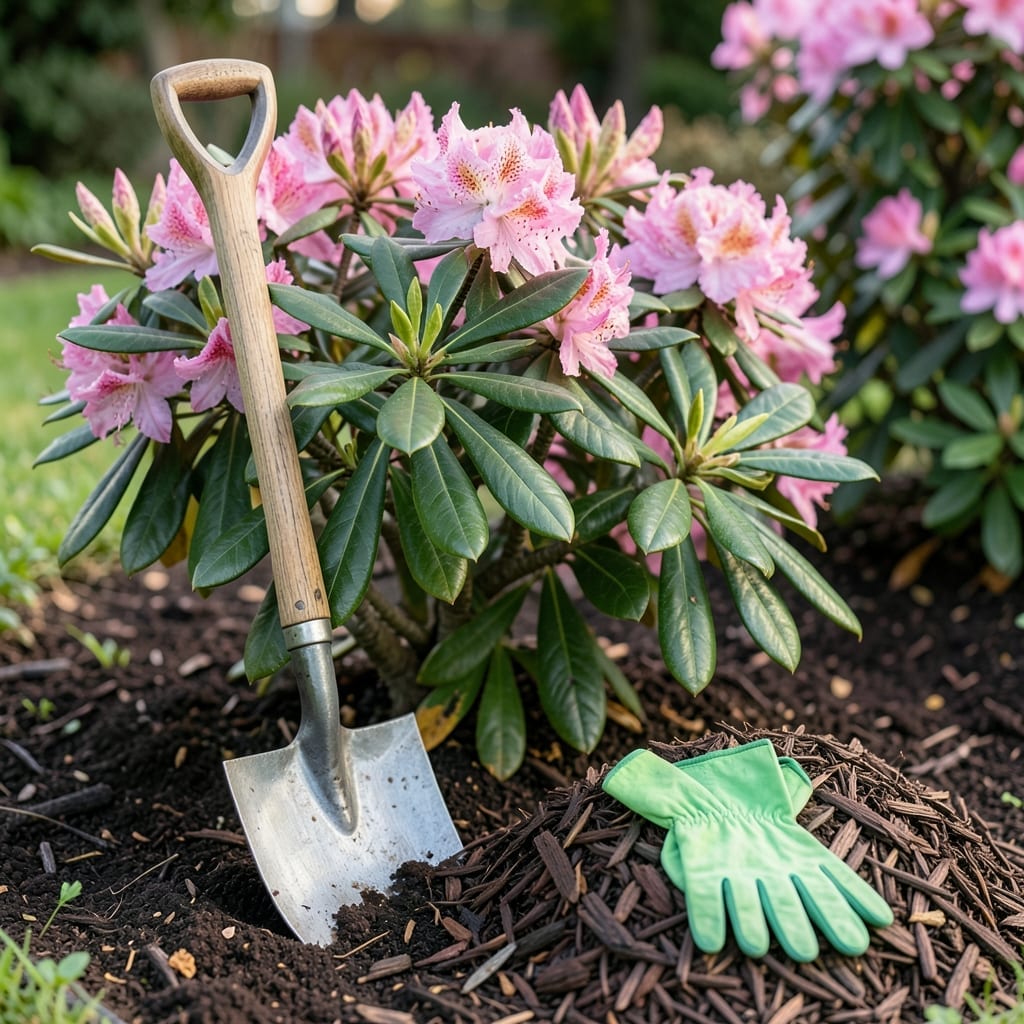
Timing is everything when planting Rhododendrons in Zone 7—get it right, and you’ll be rewarded with vibrant blooms and healthy growth for years.
Plant at the wrong time, and you risk stunted development or winter damage. The 🌸 Rhododendron thrives when given the best start in the right season.
I’ve seen gardens transform by simply choosing the optimal window. Whether you’re a seasoned gardener or just starting out, this timing can make all the difference.
Discover the ideal months to plant and why they matter. Let’s set your garden up for success with the right timing and care.
If you’re in USDA Zone 7, timing your rhododendron planting is crucial for success. I’ve found that early fall and early spring are the sweet spots for this zone. These periods give roots time to establish before extreme heat or cold sets in.
Early fall (September to early October) is often the best choice. The soil stays warm, which encourages root growth, while cooler air temperatures reduce stress on the plant. This timing allows the shrub to settle in before winter dormancy. 🌿
| Planting Period | Best Months | Key Benefit |
|---|---|---|
| Early Fall | September-October | Root growth before winter |
| Early Spring | March-April | Avoids summer heat stress |
In early spring (March to April), you’ll want to plant as soon as the soil is workable. This gives your rhododendron a full growing season to establish before summer’s heat. Just be sure to avoid late frosts, which can damage new growth.
I always recommend checking your local frost dates. In Zone 7, the last frost is typically around April 15, so planting after this date reduces the risk of cold damage. This timing also ensures the plant has enough time to establish before summer.
Soil temperature is another key factor. Rhododendrons prefer cool, moist soil for root development. Aim for soil temps between 50-60°F for optimal planting conditions. Too hot or cold, and the roots may struggle to take hold.
If you’re planting in fall,
For spring planting, I suggest starting as early as possible. The soil moisture from winter rains and melting snow creates ideal conditions. Plus, the plant will have the entire growing season to get settled before winter returns.
Remember, rhododendrons are sensitive to drought stress. Planting in extreme summer heat or winter freeze can shock the plant. Stick to the shoulder seasons for the best results.
Finally, I’ve noticed that partial shade and acidic, well-draining soil make a huge difference in Zone 7. Pair the right timing with these conditions, and your rhododendron will thrive for years to come. 🌸
Planting rhododendrons in Zone 7 requires careful preparation for the best start. I always begin by selecting a site with partial shade and acidic, well-draining soil. These conditions mimic their natural habitat and promote healthy growth.
Before digging, I test the soil pH—rhododendrons thrive in pH 4.5-6.0. If needed, I amend with sulfur or peat moss to lower the pH. This step ensures your shrub can absorb nutrients effectively. 🌱
I recommend planting in early morning to reduce stress on the shrub. The cooler temperatures help the roots settle in before the heat of the day. Water immediately after planting to eliminate air pockets in the soil.
After planting, I apply a 2-3 inch layer of mulch around the base, keeping it a few inches away from the trunk. This helps retain moisture and regulates soil temperature, which is especially important in Zone 7’s variable climate.
For the first few weeks, I check the soil moisture daily. Rhododendrons need consistent moisture but hate soggy roots. A deep watering once a week is usually sufficient unless it’s unusually dry. ☀️
Finally, I avoid fertilizing at planting time. Instead, I wait until early spring of the following year to apply a balanced, acid-forming fertilizer. This gives the plant time to establish without the risk of fertilizer burn.
With these steps, your rhododendron will have the best chance to thrive in Zone 7’s unique conditions. The right timing and care make all the difference for long-term success. 🌿