
Beautiful Plants For Your Interior
Beautiful Plants For Your Interior
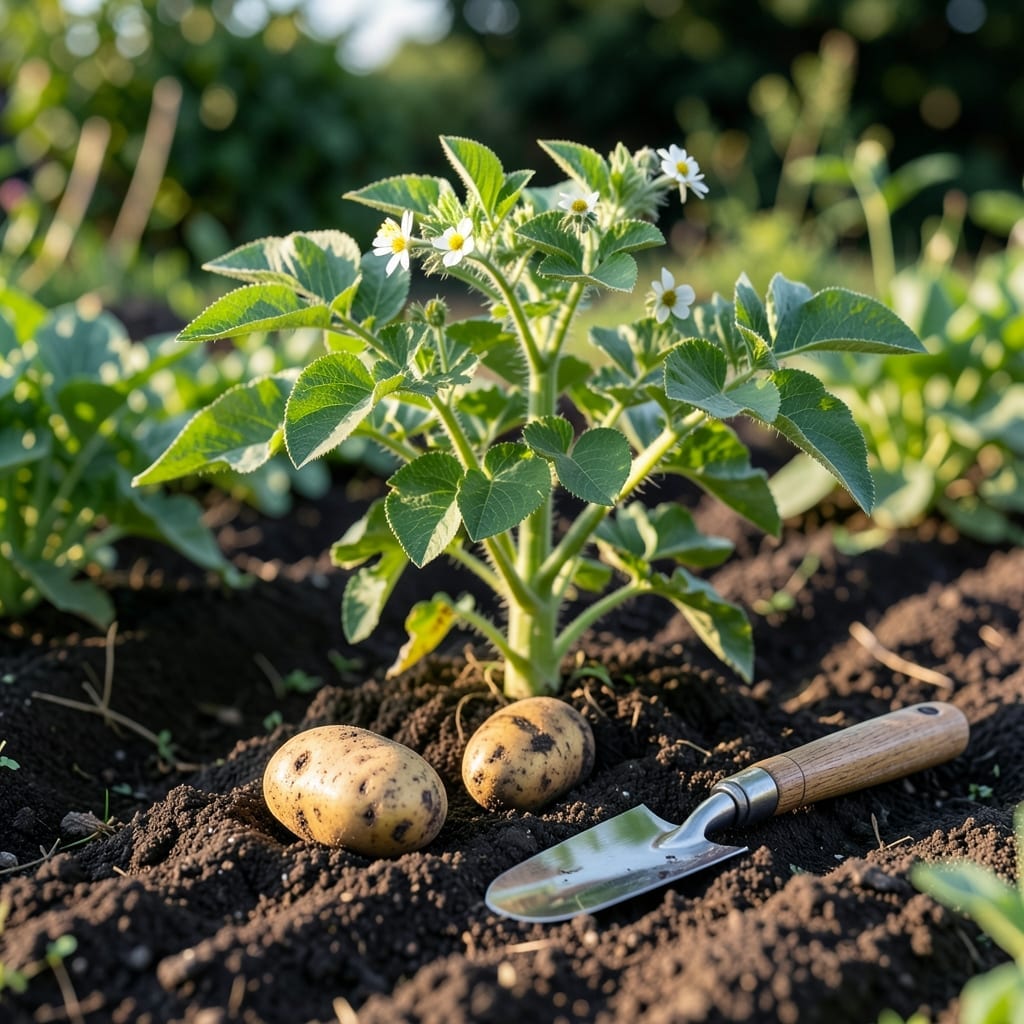
Timing is everything when growing Red Potato 🥔 in Texas. Plant too early or too late, and your harvest could suffer from frost or heat stress.
Texas’ unique climate means you need to work with the seasons, not against them. For zone 8a, the window is narrow but rewarding.
I’ve learned the hard way that timing can make or break your crop. The good news? With the right approach, you can enjoy a bountiful harvest.
Discover the secrets to getting it just right – your garden will thank you later this spring.
Texas spans USDA zones 6-10, creating varied planting windows for red potatoes. The key is timing your planting to avoid frost while maximizing the growing season. I’ve found that early spring and fall are the best windows.
For most of Texas, February to March is ideal for spring planting, while September to October works for a fall harvest. These windows ensure your soil temperature stays above 45°F, which is critical for tuber development.
| Zone | Spring Planting | Fall Planting | Notes |
|---|---|---|---|
| 6-7 (North Texas) | March | August | Avoid late fall frost |
| 8 (Central Texas) | February-March | September-October | Longer growing season |
| 9-10 (South Texas) | January-February | October-November | Mild winters allow early start |
In North Texas (zones 6-7), wait until March for spring planting to avoid late frosts. For a fall crop, aim for August planting to harvest before the first frost. I always check the soil temperature with a thermometer to confirm it’s warm enough.
Central Texas (zone 8) gardeners have more flexibility. You can plant as early as February for spring or September for fall. The longer growing season here means you might even sneak in a second crop if timed right.
Down in South Texas (zones 9-10), the mild winters let you start as early as January. For fall planting, October to November works well. Just watch for unexpected cold snaps, which can damage young plants.
Soil preparation is just as important as timing. I recommend testing your soil’s pH level—red potatoes thrive in slightly acidic soil (pH 5.0-6.5). If your soil is too alkaline, amend it with sulfur or peat moss before planting.
Remember, red potatoes need well-draining soil to prevent rot. If your Texas soil is heavy clay, mix in compost or sand to improve drainage. This step is non-negotiable for healthy tubers.
Finally, keep an eye on the weather forecast. Texas weather can be unpredictable, and a sudden cold snap or heatwave can throw off your planting schedule. I always have row covers on hand to protect young plants from unexpected frosts.
With the right timing and care, you’ll be rewarded with a bountiful harvest of red potatoes that are perfect for any meal 🌱
Planting red potatoes in Texas requires careful timing and soil preparation. I always start by checking the soil temperature—it should be at least 45°F for best results. This usually aligns with late February to early March in most regions.
Before planting, I loosen the clay-heavy Texas soil and mix in compost or aged manure. This improves drainage and provides essential nutrients for tuber development. Red potatoes thrive in well-draining soil, so don’t skip this step.
Once planted, I monitor the soil moisture closely. Texas heat can dry out the soil quickly, so I water 1-2 inches per week, especially during tuber formation. Avoid overwatering, as soggy soil can cause rot.
I also recommend hilling the plants when they reach 6 inches tall. This protects the tubers from sunlight, which can turn them green and toxic. Simply mound soil around the base of the plants to encourage more tuber growth.
For best results, plant in full sun where the plants can get at least 6 hours of direct sunlight daily. Texas summers can be brutal, so I avoid planting in peak summer months to prevent heat stress.
Finally, I mark my calendar for harvest time, which is typically 90 days after planting. The plants will signal they’re ready when the foliage turns yellow and dies back. With proper care, you’ll enjoy a bountiful harvest of delicious red potatoes. 🌱