
Beautiful Plants For Your Interior
Beautiful Plants For Your Interior
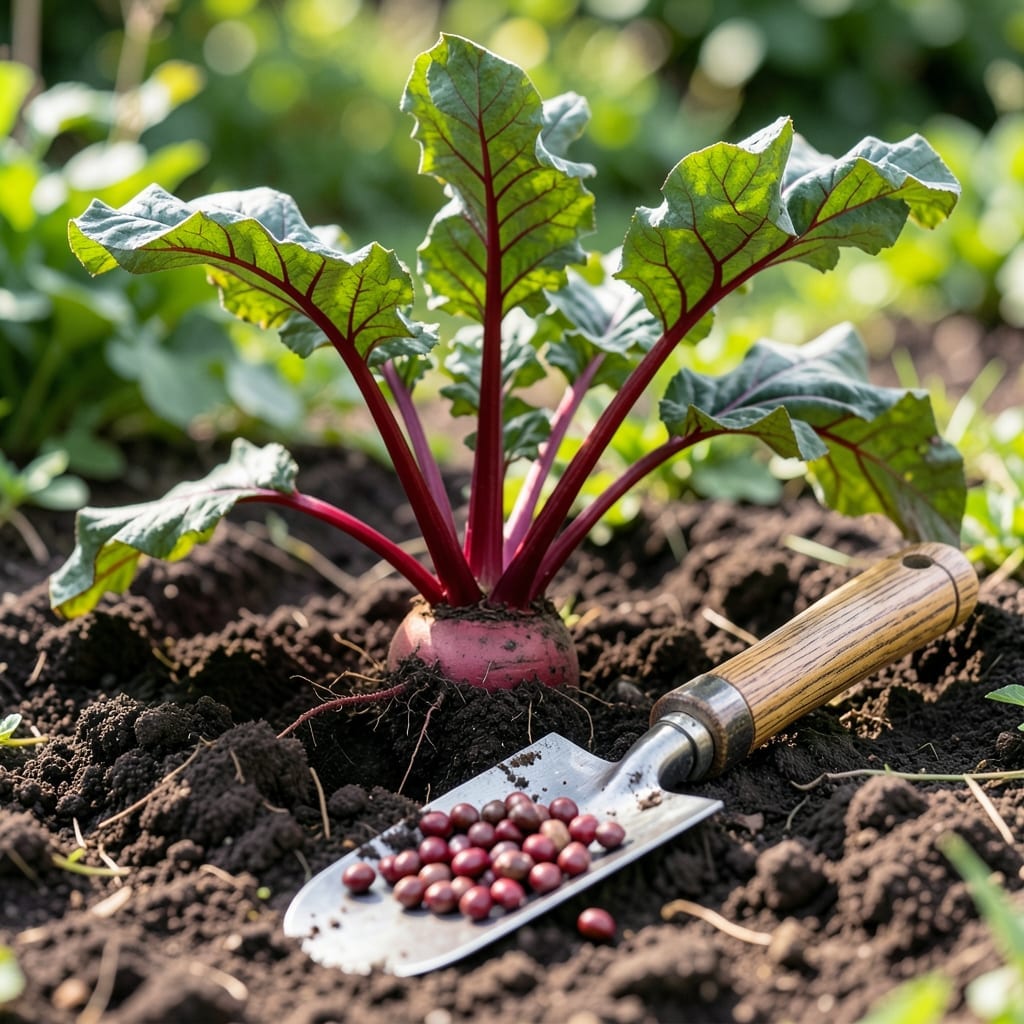
Timing is everything when growing Red Beets in Pennsylvania’s unpredictable climate. One wrong move with your planting schedule, and you could end up with stunted growth or a failed harvest.
I’ve learned the hard way that this cool-season crop thrives when planted during two key windows. The secret lies in working with Pennsylvania’s frost dates and soil temperatures, not against them.
Whether you’re in zone 6a or another part of the state, nailing these planting periods ensures sweet, tender roots. The good news? It’s simpler than you might think.
Let me walk you through the most reliable times to get your 🌱 Red Beets in the ground for a bumper crop this season.
Pennsylvania’s USDA zones 4-7 create varied windows for planting red beets. I’ve found the spring window is ideal from late March to April, once soil reaches 40°F and is workable after winter thaw.
The fall planting window runs from mid-August to September, giving beets 8-10 weeks to mature before the first frost (typically October 15 in most PA regions). This timing avoids summer heat, which can make beets woody.
| Season | Planting Window | Soil Temp | Harvest Window |
|---|---|---|---|
| Spring | Late March-April | 40-85°F | June-July |
| Fall | Mid-August-Sept | 40-75°F | Oct-Nov |
In zone 4 (northern PA), wait until early April for spring planting to avoid late frosts. I recommend using row covers if early planting is necessary to protect young seedlings from unexpected cold snaps.
For zone 7 (southeastern PA), you can start 2-3 weeks earlier in spring and extend fall planting into early October. The longer growing season here allows for a second succession planting in late summer.
The ideal soil temperature range for germination is 50-85°F, but seeds will sprout at 40°F, albeit more slowly. I’ve seen best results when soil is consistently above 50°F for faster, more uniform germination.
Frost tolerance is excellent for red beets. Young plants can handle light frosts (28-32°F), and mature plants tolerate hard frosts (24-28°F). This makes them perfect for early spring and late fall growing in PA.
For succession planting, I space sowings 3-4 weeks apart until mid-summer. This ensures a continuous harvest. Avoid planting during July’s heat, as high temps can cause bolting or tough, bitter roots.
In urban areas like Philadelphia, the heat island effect may require starting fall plantings 1-2 weeks earlier than rural areas. Monitor local soil temperatures with a simple thermometer for precision.
Remember, red beets prefer cool weather. The 60-70°F range produces the sweetest, most tender roots. Pennsylvania’s spring and fall seasons are perfectly suited for this temperature range. 🌱
Pennsylvania’s clay-heavy soils can be tricky for Red Beets, but with the right prep, you’ll create the perfect bed. I always start by testing my soil’s pH level, aiming for 6.0–7.0 for optimal growth.
Loosening the soil is key—Red Beets need room to expand. I use a garden fork to break up compacted areas, especially in Pennsylvania’s rocky terrain. This ensures smooth, unobstructed roots.
Organic matter is a game-changer. I mix in 2–3 inches of compost or well-rotted manure to boost fertility. This helps Red Beets develop their signature sweet, earthy flavor.
Drainage is often overlooked, but it’s critical. If your soil holds water, consider raised beds. I’ve had great success with this in Pennsylvania’s wetter regions, ensuring roots stay healthy.
Don’t forget to remove weeds before planting. They compete for nutrients and can stunt your Red Beets. A quick pass with a hoe or hand-pulling works wonders.
Finally, water your prepared bed lightly before sowing. This helps seeds settle and speeds up germination. I’ve found this small step makes a big difference in Pennsylvania’s variable climate. 🌱