
Beautiful Plants For Your Interior
Beautiful Plants For Your Interior
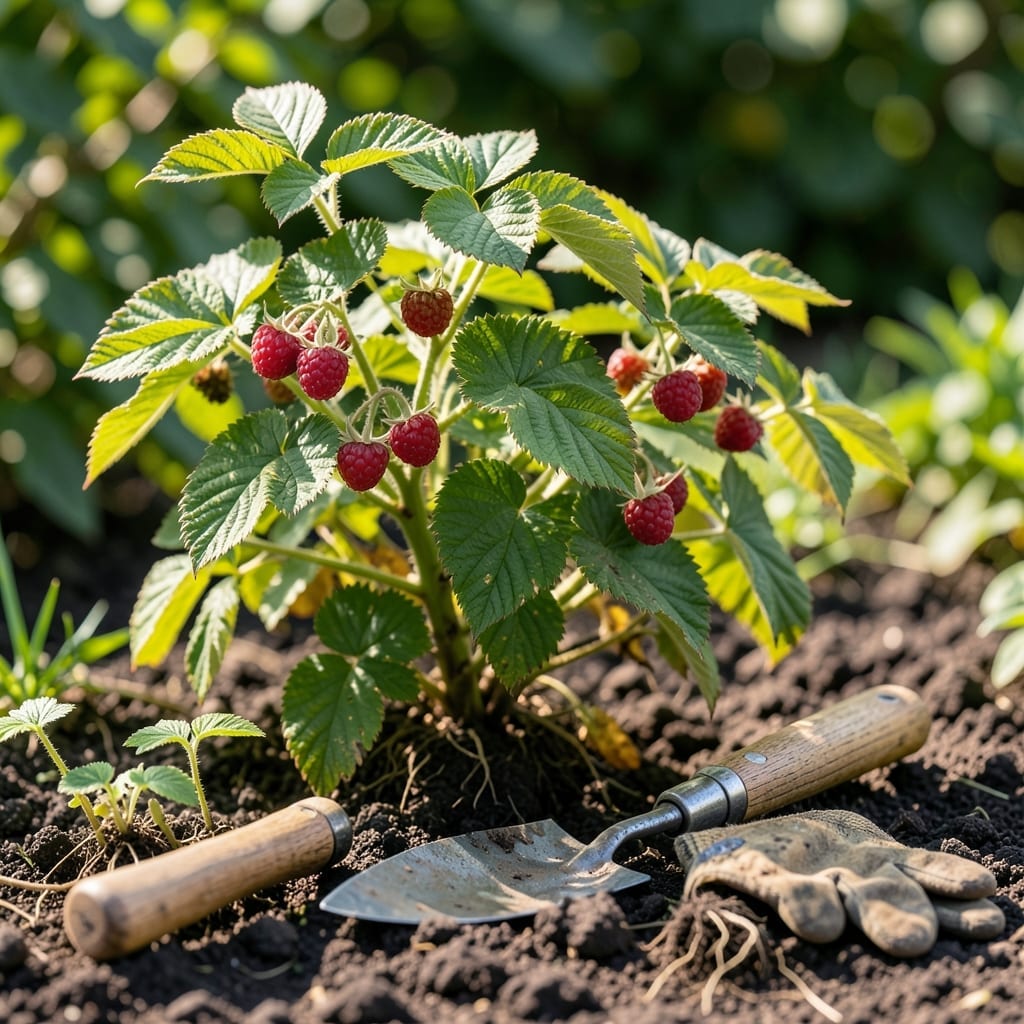
Timing is everything when planting Raspberry in Pennsylvania—get it right, and you’ll enjoy years of bountiful harvests. Get it wrong, and you risk stunted growth or winter die-off.
In zones 6a-7a, the key is working with the seasons, not against them. The 🫐 plant thrives when given the right start at the right time.
I’ve seen gardeners struggle by planting too early or too late. The solution is simpler than you might think.
Discover the precise windows that’ll set your Raspberry bushes up for success in PA’s unique climate.
Pennsylvania’s USDA zones 5-7 offer two ideal windows for planting raspberries. I recommend early spring or late fall to align with the plant’s dormancy and avoid frost damage. Soil temperature should be 50-60°F for best results.
In spring, aim for early April to May, after the last frost date (around April 15 in most areas). This gives roots time to establish before summer heat. For fall planting, late September to October works well, but finish at least 4-6 weeks before the first frost.
| Planting Window | Timing | Key Consideration |
|---|---|---|
| Early Spring | April to May | After last frost date |
| Late Fall | September to October | 4-6 weeks before first frost |
| Soil Temp | 50-60°F | Critical for root growth |
I’ve found that spring planting often gives raspberries a head start, as the plants can focus on root development before fruiting. However, fall planting can be equally successful if you time it right—just ensure the canes have enough time to settle before winter.
Pennsylvania’s variable weather means you should also watch the 10-day forecast. A sudden late frost in spring or early frost in fall can set back your plants. I always keep frost cloth on hand for unexpected temperature drops.
For bare-root raspberries, spring is ideal because the plants are dormant and less prone to transplant shock. If planting in fall, choose container-grown plants for better survival rates through winter.
Zone 5 growers should lean toward early spring planting, while Zone 7 can push fall planting a bit later. In Zone 6, both windows work well, but spring is my top recommendation for beginners.
Remember, soil preparation is key regardless of timing. I always test my soil’s pH levels (aim for 5.5-6.5) and amend with compost before planting. Raspberries thrive in well-draining, loamy soil with plenty of organic matter.
If you’re planting in raised beds, you’ll have more control over soil conditions. Just ensure the beds are at least 12 inches deep to accommodate the raspberry roots. Spacing is also critical—keep plants 18-24 inches apart in rows 6 feet apart.
Finally, mulching after planting helps retain moisture and suppress weeds. I use straw or wood chips to keep the soil temperature stable, especially important for fall plantings going into winter.
By following these Pennsylvania-specific timing guidelines and preparation tips, you’ll set your raspberry plants up for strong growth and abundant harvests for years to come. 🌱
Choosing between spring and fall planting for raspberries in Pennsylvania depends on your zone and goals. I’ve tested both and found each has distinct advantages for PA growers. The key is understanding your local frost dates and plant needs.
In my experience, spring planting in April-May gives raspberries a full growing season to establish roots before fruiting. This often leads to better first-year yields and stronger plants going into winter.
For Zone 5 areas like Erie, I strongly recommend spring planting because of the shorter growing season. In Zone 7 (southern PA), fall planting can work well if done by early October. Zone 6 offers the most flexibility.
Bare-root plants do best in spring, while container-grown raspberries can handle fall planting better. I’ve had great success with fall-planted containers in my Zone 6b garden near Harrisburg.
If you choose fall planting, mark your first frost date and count backward 6 weeks. In most of PA, this means planting by mid-October at the latest. I always add extra mulch around fall-planted raspberries for winter protection.
Remember, consistent moisture is crucial for both seasons. In spring, I water deeply weekly unless we get significant rain. For fall plantings, I water twice weekly until the ground freezes to encourage root growth.
Ultimately, spring planting is my top recommendation for most PA gardeners, especially beginners. It’s more forgiving and gives your raspberries the best chance to thrive. 🌱