
Beautiful Plants For Your Interior
Beautiful Plants For Your Interior
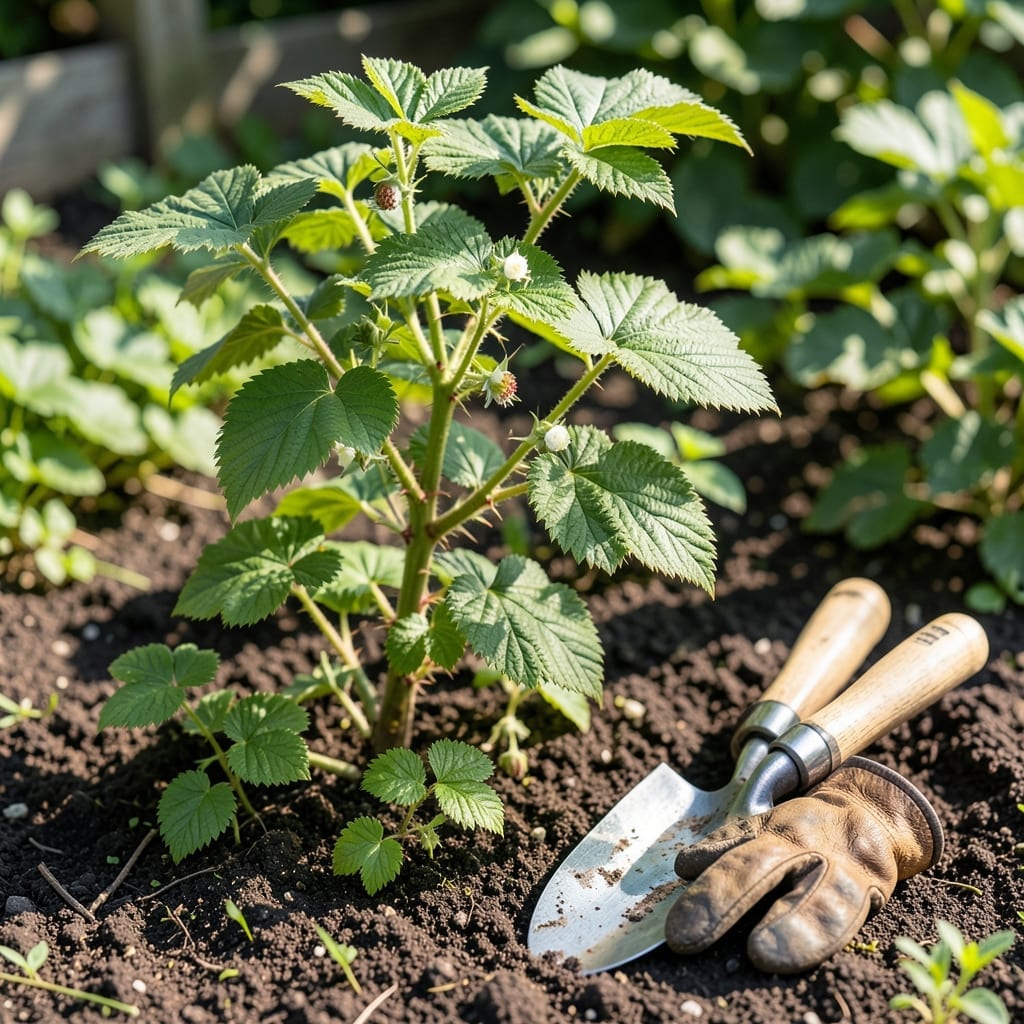
Timing is everything when planting Raspberry in Illinois’ Zone 5b-6a climate. Plant too early or too late, and you risk losing your crop to frost or weak root establishment.
I’ve seen gardeners struggle with this exact issue, and it’s completely avoidable. The good news? There are two ideal windows each year to get your 🍇 Raspberry canes in the ground for the best results.
Whether you’re a seasoned gardener or just starting out, knowing these planting times can make or break your harvest. Let’s break down what works best in Illinois’ unique growing conditions.
You’ll discover the most important factors for success, from soil prep to frost dates, so you can enjoy a thriving patch of Raspberry plants.
In Illinois Zone 5, timing your raspberry planting is critical for strong root development and a bountiful harvest. The ideal windows are early spring or late fall, avoiding extreme temperatures and frost risks.
For spring planting, aim for March to April, after the last frost (around April 15). Fall planting works best in October or November, giving roots time to establish before winter.
| Season | Months | Conditions |
|---|---|---|
| Spring | March-April | After last frost |
| Fall | October-November | 4-6 weeks before first frost |
| Avoid | Summer/Winter | Extreme heat or frozen ground |
Soil temperature is another key factor. Raspberry roots need 40-50°F to establish properly. Use a soil thermometer to check conditions before planting bare-root canes.
I recommend early spring planting for summer-bearing varieties like Boyne or Nova. These need the full growing season to produce fruit the first year.
Fall-planted raspberries often yield better the following summer. The cool temperatures reduce stress on new plants while roots develop underground.
Remember that Illinois weather can be unpredictable. If you’re planting in early spring, be prepared to protect new canes from late frosts with row covers.
For fall planting, water thoroughly before the ground freezes. I’ve found that mulching heavily with straw helps insulate roots during winter.
Both red and black raspberries thrive in Illinois. Golden varieties like Anne also do well but may need extra sun protection in hot summers.
No matter when you plant, space canes 18-24 inches apart in rows 6 feet apart. This gives plants room to grow while allowing good air circulation to prevent diseases.
After planting, prune canes back to 6 inches to encourage strong new growth. This might seem drastic, but it pays off with healthier plants and better yields.
With proper timing and care, your Illinois raspberry plants can produce fruit for 10-15 years 🌱
Choosing between spring and fall planting for Illinois raspberries depends on your goals and care capacity. Each season offers unique benefits for Zone 5 gardeners.
Spring planting allows new canes to establish during the growing season, potentially yielding fruit the same year for summer-bearing varieties. However, it requires vigilance against late frosts.
Fall planting often produces stronger plants the following year because roots establish during cool weather without the stress of summer heat or fruiting demands.
I’ve found fall-planted raspberries typically outperform spring-planted ones in Year 2, as they’ve had months to develop extensive root systems before the growing season begins.
For organic gardeners, fall planting allows you to amend soil with compost over winter. This gives nutrients time to break down and become available to plants in spring.
If you choose spring planting, select early-maturing varieties like Nova or Boyne to maximize your chances of a first-year harvest. These typically produce fruit on first-year canes. 🌱