
Beautiful Plants For Your Interior
Beautiful Plants For Your Interior
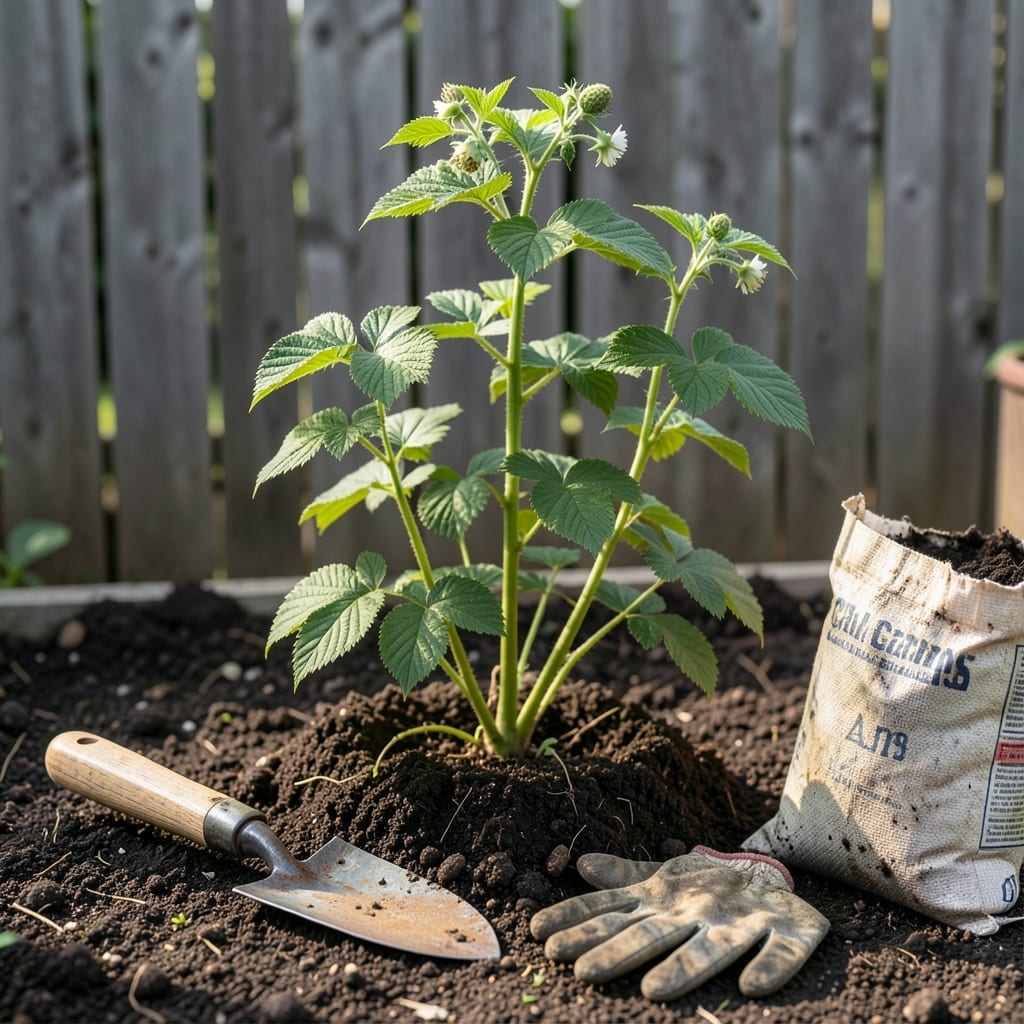
Timing is everything when growing 🫐 Raspberry in Colorado’s unpredictable climate. Plant too early, and frost may kill your canes; too late, and they’ll struggle to establish roots before winter.
Colorado’s zones 5b-7a present unique challenges that demand precise timing for best results. Whether you’re in the Front Range or High Country, getting this right makes all the difference.
I’ve seen gardeners waste entire seasons by planting at the wrong time. The good news? There’s a simple window that works consistently across most of the state.
Let me show you exactly when to get your Raspberry plants in the ground for a thriving harvest from June through August.
Colorado’s diverse climate means the optimal planting window for raspberries varies by region. The Front Range typically allows for early spring planting in March or April, while the Western Slope may need to wait until late April or early May due to its milder winters. 🌱
In the High Country, where frost lingers longer, it’s best to plant in late May or early June. Always align planting with your area’s last frost date—usually around May 15 for most of Colorado. This ensures your raspberries have enough time to establish roots before extreme temperatures hit. 🌿
| Region | Optimal Planting Time | Last Frost Date |
|---|---|---|
| Front Range | March to early April | May 15 |
| Western Slope | Late April to early May | April 20 |
| High Country | Late May to early June | June 1 |
For bare-root raspberries, I recommend planting 4-6 weeks before the last frost date. This gives the roots time to settle before the growing season kicks in. If you’re using container-grown plants, you have a bit more flexibility, as they can handle slightly cooler soil. ✂️
Soil temperature is another critical factor. Raspberries thrive when soil is at least 40°F. In Colorado, this often aligns with the early spring window, but a soil thermometer can help you confirm. Avoid planting in summer heat, as it stresses the plants. 🌡️
If you miss the spring window, don’t worry—fall planting is also an option. Aim for late September to early October in most regions. This allows the plants to establish roots before winter dormancy sets in. Just ensure they’re mulched well to protect against freeze-thaw cycles. 🌳
In the Front Range, fall planting works well because the soil stays warm longer. However, in the High Country, fall planting is riskier due to early frosts. Always check your local frost dates and adjust accordingly. 🌻
For the best results, I suggest test your soil before planting. Raspberries prefer well-draining, slightly acidic soil with a pH of 5.5 to 6.5. Amend heavy clay soils with compost or peat moss to improve drainage and fertility. 🪴
Finally, consider wind protection, especially in Colorado’s open landscapes. Plant raspberries near a fence or windbreak to shield them from harsh winds, which can dry out the soil and damage new growth. A mulch layer of straw or wood chips also helps retain moisture and regulate soil temperature. 💧
Deciding between spring and fall planting for raspberries in Colorado depends on your region and goals. Spring planting allows canes to establish before summer heat, but requires careful frost protection.
Fall planting gives roots a head start before winter, but late freezes can damage new growth. Each season has trade-offs that impact survival rates and yields.
I’ve found spring planting works best in Colorado’s Front Range, where late frosts are common. Aim for 4-6 weeks before the last frost date, typically mid-March to early April.
Fall planting shines in the Western Slope, where milder winters allow roots to establish. Plant 6-8 weeks before the first frost, usually late September to early October.
For high-altitude areas, spring is safer. The shorter growing season means fall-planted raspberries may not establish before winter. Always mulch heavily in either season.
In my experience, bare-root raspberries do best in spring, while container-grown plants can handle fall planting. Soil temperature above 40°F is critical for root growth.
Monitor weather forecasts closely. A sudden cold snap can set back spring plantings, while early snow may bury fall canes before they harden off.