
Beautiful Plants For Your Interior
Beautiful Plants For Your Interior
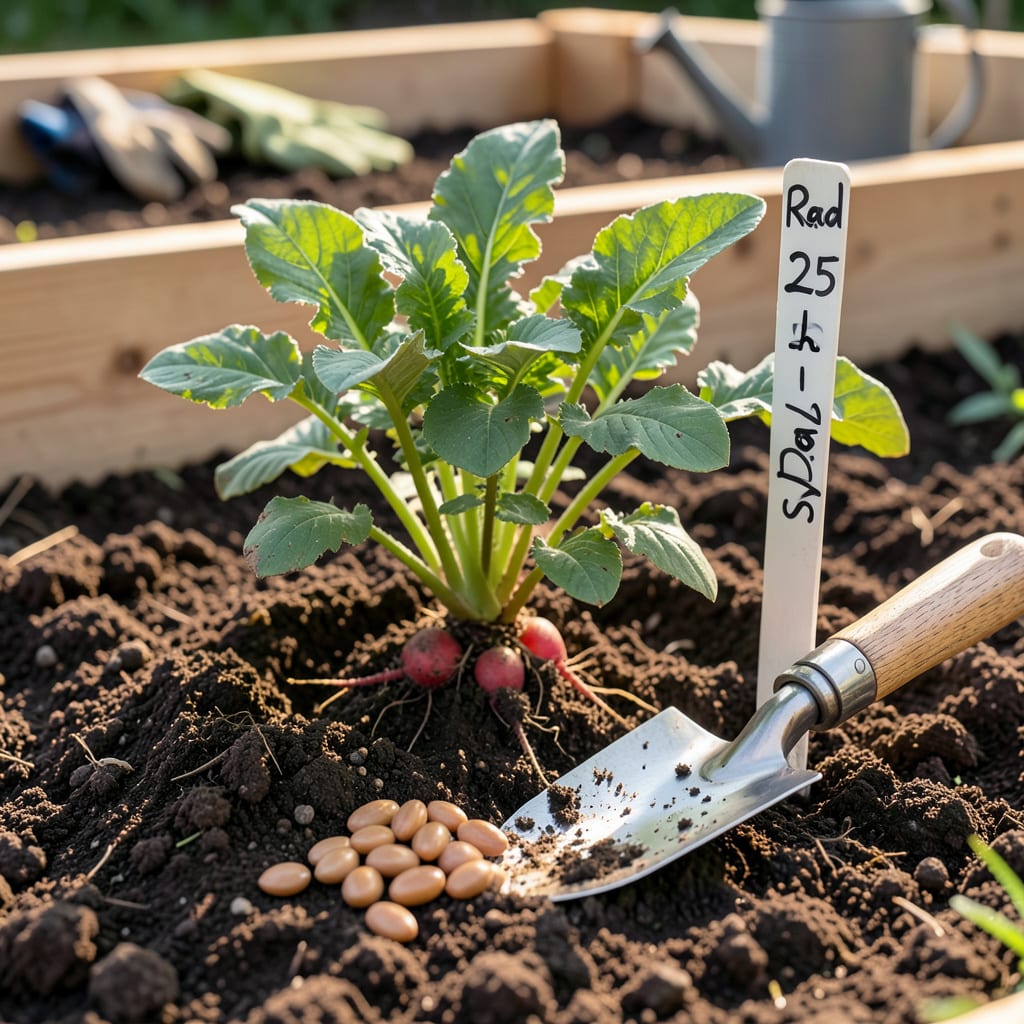
Timing your radish planting in Texas can mean the difference between crisp, peppery harvests and bitter, woody disappointments. The Lone Star State’s extreme heat and varied zones make nailing that perfect window the key to success—whether you’re in Dallas’s Zone 8a or Houston’s humid 9b.
I’ve tested the limits of Texas radish growing, and here’s what works: avoid the scorching summer, and focus on two prime seasons. Let me break down exactly when to plant for juicy spring radishes and sweet fall crops—plus the varieties that thrive where you live. No more guessing games.
If you’ve ever wondered when to plant radishes in Texas, the secret lies in understanding our state’s diverse USDA zones. Texas spans zones 6a to 10b, meaning planting windows vary dramatically from Amarillo to Brownsville. Radishes thrive in cool weather, so timing is everything.
In most of Texas, you’ll want to plant radishes during two key windows: late winter/early spring (February-March) and early fall (September-October). These periods avoid the scorching summer heat that causes radishes to bolt prematurely. Let’s break down the specifics by region.
| Region | USDA Zone | Spring Planting | Fall Planting | Notes |
|---|---|---|---|---|
| North Texas | 6a-8a | Feb 15 – Mar 15 | Sep 1 – Oct 1 | Watch for late frosts |
| Central Texas | 8a-8b | Feb 1 – Mar 1 | Sep 15 – Oct 15 | Ideal for succession planting |
| South Texas | 9a-10b | Jan 15 – Feb 15 | Oct 1 – Nov 1 | Can grow winter crops |
| Gulf Coast | 8b-9a | Jan 20 – Feb 20 | Oct 15 – Nov 15 | Humidity may affect pests |
*Plant when soil temps reach 50-65°F for best germination
Radishes are cool-season crops that struggle when temperatures exceed 75°F. In Texas, this means avoiding summer planting entirely. The spring window is typically shorter than fall, especially in warmer zones where heat arrives early. I recommend using a soil thermometer to confirm temperatures.
For North Texas gardeners (Dallas, Fort Worth), your last frost date is usually around March 15. Plant radishes 4-6 weeks before this date for an early spring harvest. In Central Texas (Austin, San Antonio), you can start even earlier—sometimes as soon as late January if using row covers.
The fall planting window is often more forgiving. As temperatures drop in September, radishes thrive. I’ve had great success with succession planting every 2 weeks from September through October. This staggers your harvest and prevents gluts. Remember that daylength affects bolting—shorter fall days help keep radishes sweet.
Texas’ microclimates create unique opportunities. Urban areas like Houston may stay warmer, while rural West Texas can have cooler nights. Pay attention to your specific location’s patterns. If you’re in a warmer zone, consider partial shade in late fall to extend your season.
Soil preparation is crucial for Texas radishes. Our clay-heavy soils need amendment with compost to prevent misshapen roots. I recommend loosening soil to 12 inches deep and mixing in sand if drainage is poor. Radishes prefer slightly acidic soil (pH 6.0-7.0)—test yours before planting.
Watering consistently is key in Texas’ variable climate. Radishes need 1 inch of water weekly, but our drought-prone areas may require more. Use drip irrigation to keep foliage dry and prevent disease. Mulching with straw helps retain moisture and keeps soil temperatures stable during our temperature swings.
For Texas gardeners eager to extend their radish season, consider container gardening. Potted radishes can be moved to shadier spots as temperatures rise. I’ve successfully grown ‘Cherry Belle’ and ‘French Breakfast’ varieties in containers on my patio, harvesting well into May with proper care.
🌱Now that you understand Texas’ diverse zones, let’s get specific about when to plant radishes each month. I’ve created this calendar based on years of testing in Texas gardens. The key is working with our short cool seasons while avoiding heat stress.
Remember, radishes grow fast—most varieties mature in just 25-30 days. This means you can plant multiple successions if you time it right. Let me show you exactly when to sow seeds for continuous harvests throughout our spring and fall growing windows.
Start seeds in Zone 9-10 after New Year’s. Use row covers if nights dip below 40°F.
Perfect for North/Central Texas. Plant every 2 weeks until mid-March for staggered harvests.
Last chance for spring radishes. Choose heat-tolerant varieties like ‘Cherry Belle’ in warmer zones.
Begin fall planting as temps drop below 85°F. Ideal for all Texas regions.
Best month for fall radishes. Plant every 10 days for continuous harvests through November.
Only for South Texas. Use fast-maturing varieties like ‘Early Scarlet Globe’ (23 days).
*Adjust dates by 1-2 weeks based on your specific microclimate and weather patterns
For North Texas gardeners, your February 15 to March 15 window is golden. I’ve found that planting ‘French Breakfast’ radishes during this period gives the best results. They mature quickly before the heat sets in.
In Central Texas, you can start even earlier—sometimes as soon as late January. The Austin area’s mild winters allow for multiple successions. Just be ready with row covers if a late freeze threatens.
For fall planting, September 15 is my magic date for most of Texas. The soil is still warm from summer, which helps with germination, but the air temperatures are cooling. This combination creates perfect growing conditions for radishes.
Remember that soil temperature is more important than air temperature. Radishes germinate best when soil is between 50-65°F. Use a soil thermometer to check—don’t just rely on the calendar.
I always recommend keeping a gardening journal to track your planting dates and results. Texas weather can be unpredictable, and what works one year might need adjustment the next. Note when you plant, when you harvest, and any weather events that might have affected your crop.
🌱Even experienced Texas gardeners can stumble when growing radishes. I’ve seen perfectly good crops turn woody or bolt prematurely because of simple oversights. Let me share the most common mistakes I’ve encountered—and how you can avoid them for crisp, sweet radishes every time.
One of the biggest errors is planting too deep. Radish seeds only need to be ½ inch deep—any deeper and they may fail to germinate or grow misshapen. Another frequent issue is inconsistent watering, which leads to pithy or cracked roots. Texas’ unpredictable weather makes this particularly challenging.
*Most issues stem from Texas’ extreme temperature swings—adjust care accordingly!
The number one mistake I see is planting radishes during Texas summers. These cool-season crops simply can’t handle our 90°F+ temperatures. If you miss the spring window, wait for fall—don’t try to force summer radishes. They’ll bolt before forming edible roots.
Overcrowding is another common issue. When seeds are planted too close, radishes compete for nutrients and space, resulting in small, tough roots. I recommend thinning seedlings to 1 inch apart when they’re about 2 inches tall. It’s painful to remove seedlings, but your harvest will thank you.
Texas soil presents unique challenges. Our heavy clay can cause radishes to grow lumpy or forked. Before planting, I always amend my beds with compost and sand to improve drainage. A quick test: if you can’t push a pencil into your soil easily, it’s too compacted for good radish growth.
Finally, don’t forget about pest management. Flea beetles love radish leaves and can skeletonize seedlings overnight. I use floating row covers until plants are established. For organic control, try spraying with neem oil or introducing beneficial insects like ladybugs. 🌱
No, summer is the worst time for radishes in Texas. These cool-season crops bolt (flower prematurely) when temperatures exceed 75°F. Stick to spring (Feb-Mar) and fall (Sep-Oct) plantings for best results.
Radishes need 1 inch of water weekly, but Texas heat often demands more. Use drip irrigation every 2-3 days to maintain consistent moisture. Morning watering prevents evaporation and fungal issues.
Opt for heat-tolerant varieties like ‘Cherry Belle’ (25 days) or ‘French Breakfast’ (23 days). These mature quickly before Texas temperatures climb. In South Texas, try ‘Early Scarlet Globe’ for winter crops.
Texas’ heavy clay soil is usually the culprit. Amend beds with compost and sand before planting. Loosen soil to 12 inches deep for straight roots. Compacted soil forces radishes to grow around obstacles.
Containers let you move radishes to shadier spots as temperatures rise. Use pots at least 6 inches deep with well-draining soil. This method works great for patio gardeners in cities like Austin or Dallas.
