
Beautiful Plants For Your Interior
Beautiful Plants For Your Interior
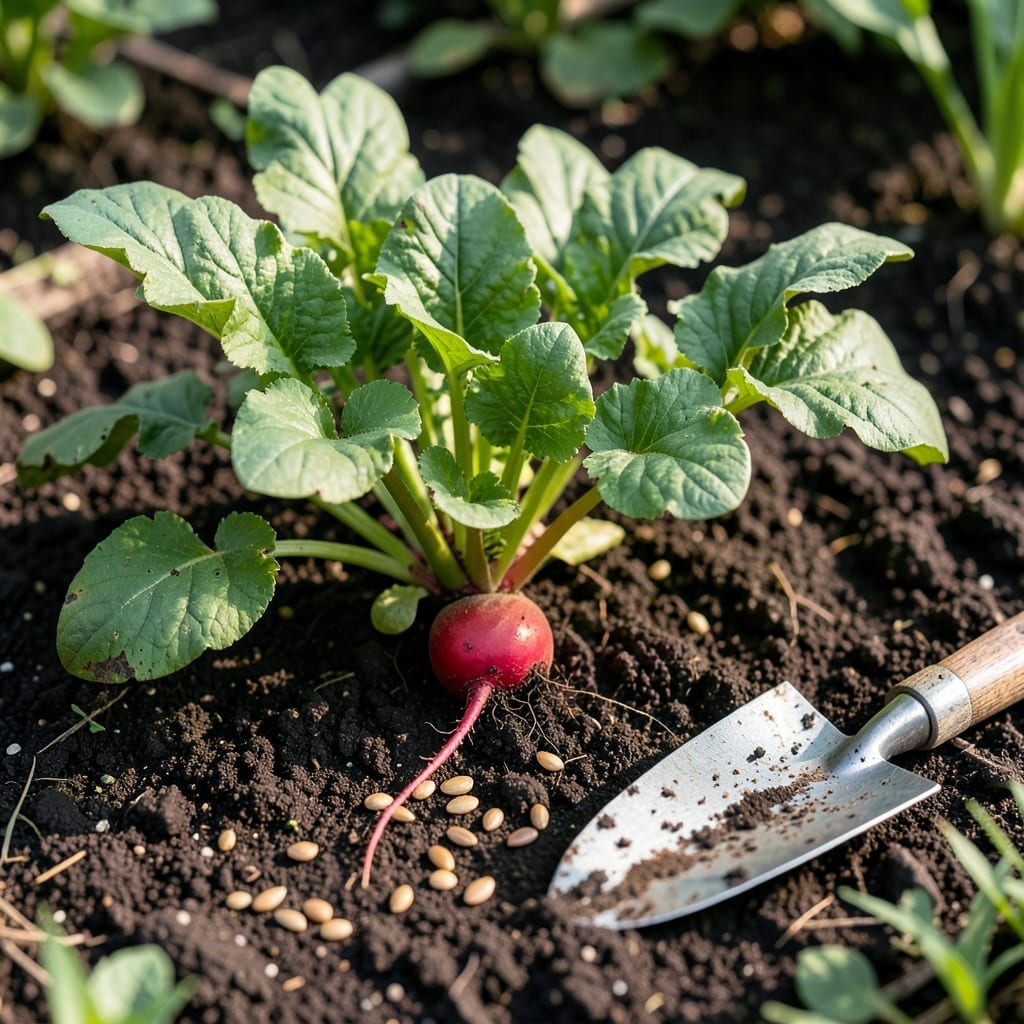
Radishes are one of the easiest and fastest-growing vegetables for Minnesota gardeners, but timing is everything in Zone 4b’s unpredictable climate. Plant too early or too late, and you’ll miss the sweet, crisp harvest these cool-season crops are known for.
I’ve learned the hard way that 30 days can make or break your 🥕 radish crop. Whether you’re a first-timer or a seasoned gardener, getting the timing right is the difference between success and disappointment.
In Minnesota, the planting windows are narrow but rewarding. You’ll want to start as soon as the soil is workable in spring, then again in late summer for a fall harvest.
Discover the exact schedule that works for Zone 4b, and you’ll be pulling up perfect radishes in no time. Let’s dig into the details that matter most for your garden.
In Minnesota’s Zone 4, radishes thrive as cool-season crops that tolerate light frost. The key is timing: plant 4-6 weeks before the last spring frost or 4-6 weeks before the first fall frost for best results.
For spring planting, aim for late March to early April in southern Minnesota, or early to mid-April up north. Soil temps should be 40°F or warmer for germination.
| Season | Planting Window | Soil Temp |
|---|---|---|
| Early Spring | March-April | 40-75°F |
| Late Summer | August-Sept | 40-75°F |
| Frost Tolerance | ✅ | ✅ |
For fall harvests, I plant radishes from mid-August to early September. This gives them 30-60 days to mature before the first frost around October 15.
Soil temperature is critical. Use a soil thermometer to check—radishes won’t germinate well in cold, wet soil below 40°F. If the ground is still frozen, wait a few days.
In northern Minnesota, the window is tighter. I start seeds indoors in peat pots if spring is slow to warm up, then transplant when conditions improve.
Succession planting works beautifully with radishes. I sow a new row every 10-14 days until mid-May for continuous spring harvests, then resume in August for fall crops.
Remember that radishes mature fast—some varieties in just 20-30 days. Check your seed packet for specifics, as Cherry Belle and French Breakfast have slightly different timelines.
For winter radishes like Daikon, plant in late July for a late fall harvest. These larger varieties need more time but store well in cool soil.
Always adjust for microclimates. Urban areas or south-facing gardens may warm up 1-2 weeks earlier than rural spots, so I plant accordingly.
With these timelines, you’ll enjoy crisp, peppery radishes from spring through fall in Minnesota 🌱
Minnesota’s short growing season demands fast-maturing radishes. I’ve found that Cherry Belle and French Breakfast thrive here, ready in just 20-30 days. These varieties handle cool spring temps beautifully. 🌱
For a splash of color, try Easter Egg radishes, which come in purple, white, and red. They’re cold-tolerant and perfect for both spring and fall plantings. Daikon radishes work well for late summer sowing.
| Variety | Days to Maturity | Best For | Cold Tolerance |
|---|---|---|---|
| Cherry Belle | 22-28 days | Spring | High |
| French Breakfast | 23-30 days | Spring/Fall | High |
| Easter Egg | 25-30 days | Spring/Fall | Medium |
| Daikon | 40-60 days | Late Summer | Medium |
I always recommend succession planting with radishes. Sow a new batch every 10-14 days for continuous harvests. This works especially well with early varieties like Cherry Belle. 🌿
For winter radishes, like Daikon, start seeds in late July to early August. They need more time but store well. Remember, soil temps above 75°F can cause bolting, so timing is crucial.
Minnesota’s Zone 4 climate means we must choose varieties that tolerate temperature swings. French Breakfast handles this well, while Daikon prefers consistent moisture and cooler fall temps. ✂️
Lastly, consider seed depth—plant 1/2 inch deep and 1 inch apart. Thinning prevents overcrowding, which can lead to small, misshapen roots. Always keep soil evenly moist for best results.