
Beautiful Plants For Your Interior
Beautiful Plants For Your Interior
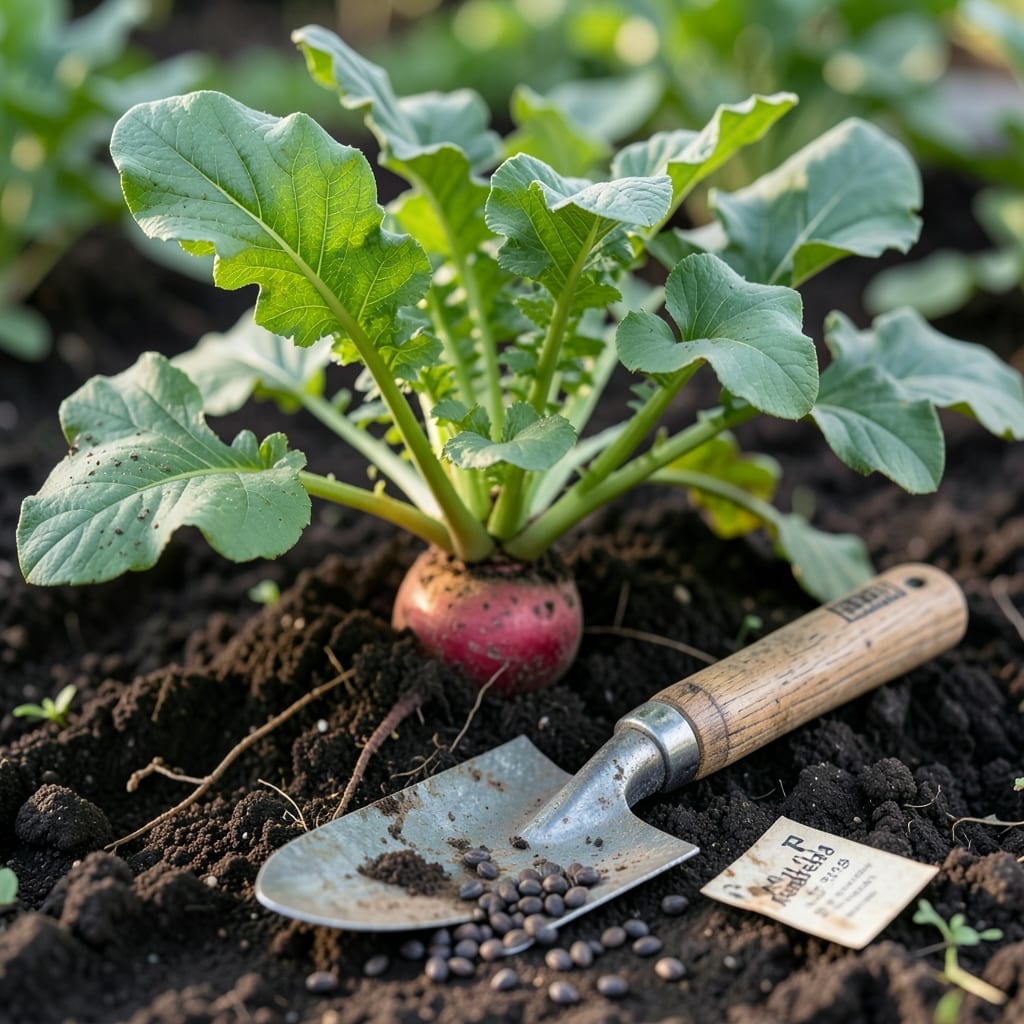
Timing is everything when growing 🥕 Radish in Kentucky. Plant too early or too late, and you’ll miss out on that crisp, peppery crunch.
In our 6b zone, the difference between a perfect harvest and a disappointing one comes down to just a few weeks. Spring and fall offer the best chances for success.
I’ve found that getting the timing right means understanding Kentucky’s unique climate patterns. The Bluegrass State’s seasons can be unpredictable, but there are clear windows that work best.
Discover the exact planting schedule that will give you the juiciest, most flavorful radishes all season long.
In Kentucky’s zones 6a-7a, radishes thrive in cool weather. I’ve found the best planting windows are early spring and late summer to avoid the state’s harsh summer heat which can cause bolting.
The last frost date in most of Kentucky is around April 15, so I aim to sow 4-6 weeks before that for a spring harvest. For fall, I plant 8-10 weeks before the first frost, typically by October 15.
| Season | Planting Time | Harvest Time | Notes |
|---|---|---|---|
| Spring | March-April | April-May | Avoid late plantings |
| Fall | August-September | September-October | Use fast-maturing varieties |
For early spring planting, I start seeds as soon as the soil is workable, usually in late February for zone 7a. In cooler zone 6a, I wait until mid-March to avoid frost damage to young radish sprouts.
The ideal soil temperature for germination is 55-75°F. I use a soil thermometer to check conditions. If the soil is too cold, seeds may rot before sprouting.
For fall plantings, I begin sowing in early August for zone 6a and late August for zone 7a. This timing ensures a harvest before the first hard frost hits.
I prefer succession planting every 2 weeks during these windows. This gives me a continuous harvest rather than one large crop. It also helps if some seeds don’t germinate due to weather.
Remember that radishes mature quickly, often in just 20-30 days. This makes them perfect for Kentucky’s short seasons. I always choose fast-growing varieties like Cherry Belle or Early Scarlet Globe.
In my experience, evening temperatures below 40°F can slow growth. If a late frost is forecasted after planting, I cover the bed with row covers or old blankets to protect the young plants.
For the best results, I plant in well-draining soil with plenty of organic matter. Kentucky’s clay soil can be heavy, so I amend it with compost before planting to improve root development.
By following these Kentucky-specific timing tips, I consistently get crisp, flavorful radishes that thrive in the Bluegrass State’s unique climate conditions 🌱
Kentucky’s clay-heavy soil can be tricky for radishes. I always amend my beds with compost to improve drainage and prevent stunted roots.
Moisture management is key, especially during humid summers. I water early morning to reduce disease risk and keep soil consistently moist but not soggy.
For pest control, I watch for flea beetles, a common Kentucky problem. I use row covers early and diatomaceous earth as a natural deterrent.
Succession planting works well here. I sow new seeds every 10 days during planting windows for a steady harvest rather than a glut.
In hot summers, I provide afternoon shade to prevent bolting. Even partial shade from taller plants can help in zone 7a.
Finally, I always harvest promptly when radishes reach 1-inch diameter. Leaving them too long in Kentucky’s warm soil makes them woody and bitter 🌱