
Beautiful Plants For Your Interior
Beautiful Plants For Your Interior
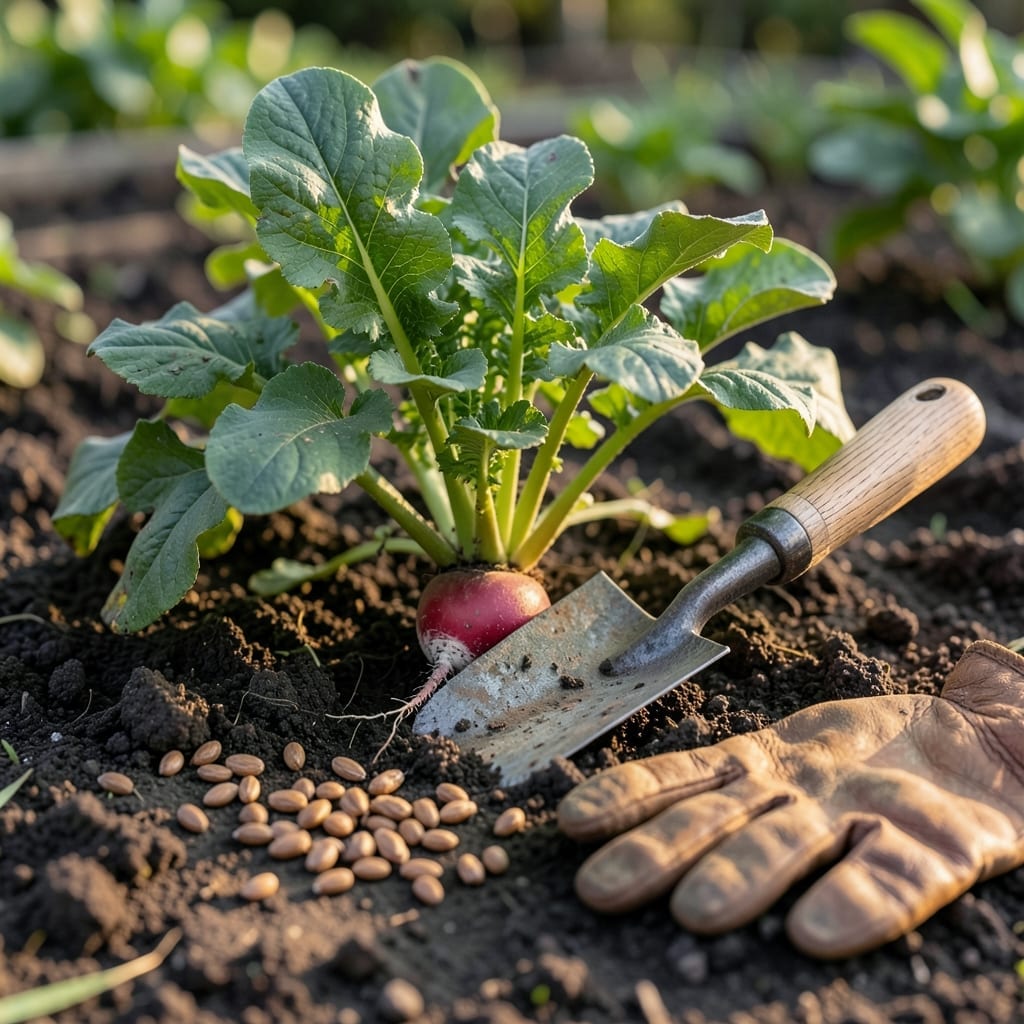
Timing is everything when growing the 🥕 Radish in Kansas, where our distinct seasons create perfect windows for success. Get it right, and you could be pulling crisp, peppery roots from the soil in as little as 30 days.
In USDA zones 5b-6a, spring and fall offer the ideal conditions for this cool-weather crop. The key is working with our climate rather than against it.
I’ve found that planting too early or late can make all the difference between a bountiful harvest and disappointment. There’s a sweet spot that Kansas gardeners need to hit.
Let me walk you through the optimal planting schedule that will have you enjoying homegrown Radishes during both spring and fall seasons. The timing might surprise you.
In Kansas, radishes thrive in cool weather, making spring and fall the best times to plant. These seasons avoid the summer heat that can cause bolting or poor root development. I always aim for two planting windows each year.
The spring window runs from early March to mid-April, while the fall window spans late August to early September. This timing ensures soil temperatures stay between 40-70°F, ideal for germination.
| Season | Planting Window | Soil Temp |
|---|---|---|
| Spring | March – April | 40-70°F |
| Fall | August – September | 40-70°F |
Note: Avoid planting in summer heat. Eastern Kansas may plant 1-2 weeks earlier than western regions.
For spring planting, I start 4-6 weeks before the last frost date, which is around April 15 for most of Kansas. This gives radishes time to mature before summer heat sets in. In eastern Kansas, you can often plant a bit earlier than in the western regions.
Fall planting requires counting backward from the first frost date, typically October 15. I plant 6-8 weeks beforehand to ensure a harvest before cold weather halts growth. This timing also avoids the hottest part of summer.
Soil temperature is critical. Radishes won’t germinate well if the soil is too cold or too hot. I use a soil thermometer to check that temperatures are in the 40-70°F range. If the soil is too cold, I wait or use row covers to warm it up.
In eastern Kansas, the climate is slightly milder, allowing for a longer planting window. Gardeners there can often start planting in late February for an early spring harvest. In contrast, western Kansas tends to have a shorter growing season due to its harsher climate.
Succession planting can extend your harvest. I plant a new row of radishes every 10-14 days during the spring and fall windows. This ensures a continuous supply rather than a single large harvest. Just be sure to stop planting before summer heat or winter frost arrives.
Remember, radishes grow fast—often ready in 25-30 days. This makes them perfect for quick turnaround in Kansas gardens. With the right timing, you can enjoy multiple harvests each season 🌱
If you want to enjoy radishes beyond the standard spring and fall windows, try succession planting. I sow new seeds every 10-14 days during the growing season to keep a steady supply coming.
Another trick is using shade cloth in late spring to protect radishes from summer heat. This can buy you an extra 2-3 weeks of growing time before the weather gets too warm.
I also recommend selecting early-maturing varieties like ‘Cherry Belle’ or ‘Early Scarlet Globe’ for a quicker turnaround. These can mature in as little as 20-25 days, giving you more time to plant additional batches.
Row covers are great for protecting young plants from unexpected late frosts in spring or early cold snaps in fall. They also help keep the soil a few degrees warmer, which can be crucial for germination.
Mulching with straw or compost helps retain soil moisture and keeps the soil cool during warmer periods. This is especially useful in Kansas, where clay-heavy soils can dry out quickly.
Finally, don’t forget to water consistently. Radishes need 1 inch of water per week, especially during dry spells. With these strategies, you can maximize your harvest and enjoy fresh radishes for weeks longer than usual 🌱